TorontoOntario · 36 tours
 Niagara FallsOntario · 25 tours
 New York CityNew York · 30 tours
 Las VegasNevada · 8 tours
 San FranciscoCalifornia · 16 tours
 VancouverBritish Columbia · 17 tours
 DubaiUAE · 54 tours
 Abu DhabiUAE · 5 tours
 Buenos AiresArgentina · 23 tours
 AthensGreece · 31 tours
 AucklandNew Zealand · 38 tours
 CancunMexico · 54 tours
No destinations match “”. Try searching all tours instead — that search understands full questions, not just place names.
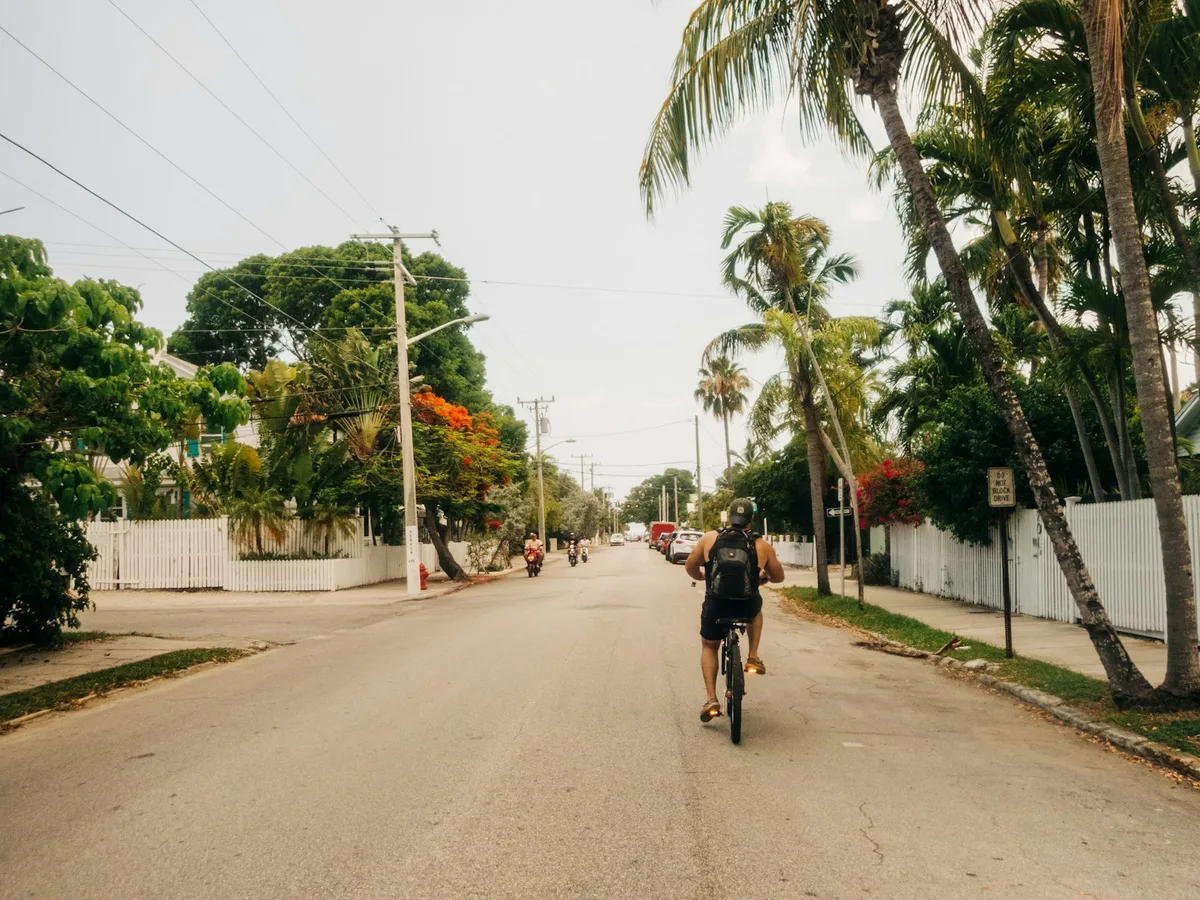
The main street running the length of Key West's Old Town, lined with bars, shops, galleries, and restaurants and known for its lively nightlife.
Visitor guide
Duval Street is the main street of Old Town Key West, running about 1.25 miles from the Gulf of Mexico on the north side of the island to the Atlantic Ocean on the south. The American Planning Association named it one of its Great Streets in 2012, and it is the street most visitors mean when they say they are going to walk Key West.
The street takes its name from William Pope Duval, Florida's first territorial governor. Key West was mapped in 1829 and grew quickly, first on shipping and salvage and then, after Cuban immigration began around 1868, on cigar making. Cigar shops and factories gave the town the nickname "Cigar City USA," and Cuban exiles founded the San Carlos Institute on November 11, 1871, as a cultural and educational centre for the community, an institution that still stands on Duval.
A later twist helped preserve the street. According to the American Planning Association, Victorian styles fell out of favour in the 1930s, but Key West could not afford large-scale demolition, so many wooden buildings survived by accident. The Old Island Restoration Foundation formed in 1960 to protect them. Six blocks of Duval were added to the National Register of Historic Places in 1971, the listing was expanded to the full street in 1983, and the city adopted Historic Architecture Guidelines in 2000.
The APA divides the street into a livelier lower Duval, from the Gulf to Petronia Street, and a quieter upper Duval toward United Street. Lower Duval, near the cruise port and Mallory Square, is where the bars, cafes, shops and music are concentrated, including Sloppy Joe's, a bar founded in 1933. Reference sources also list the original Jimmy Buffett's Margaritaville and a string of other long-running bars along the route.
Upper Duval, at the Atlantic end, is more residential and gallery-oriented, with inns, boutiques, and Bahamian- and Spanish-influenced Victorian houses. Notable buildings the APA names include a house dating to 1836 billed as the oldest house, La Terraza de Marti (1882), the Fogarty Mansion (1887), the Southernmost House (1896), and the La Concha Hotel (1924), described as the city's tallest building. Upper Duval hosts a monthly First Friday art stroll.
The street is built at walking scale, with wide tree-lined sidewalks, outdoor cafes, historic lighting and a continuous street wall of low buildings. The APA counts roughly 2.2 million visitors a year and lists the major events as Duval Uncorked in January, the Duval Crawl at Lobsterfest in August, Fantasy Fest in October, and a Holiday Parade on the first Saturday in December. Dates change yearly, so confirm them before you travel.
Cuban heritage is still visible if you look for it: Cuban coffee at street-side windows, the San Carlos Institute, and the former cigar-making houses scattered through the side streets. Duval is also a good place to see how Key West balanced preservation with tourism, because most of its character comes from buildings the town simply never tore down.
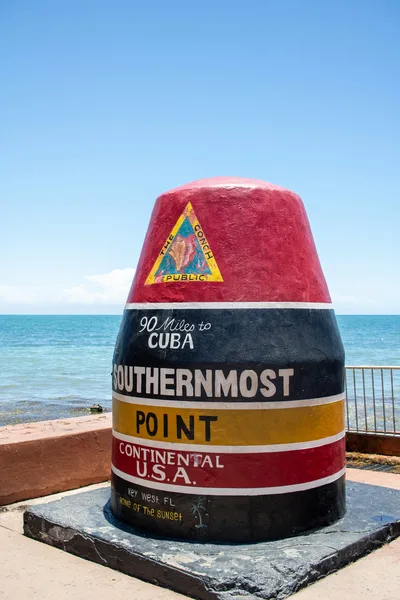
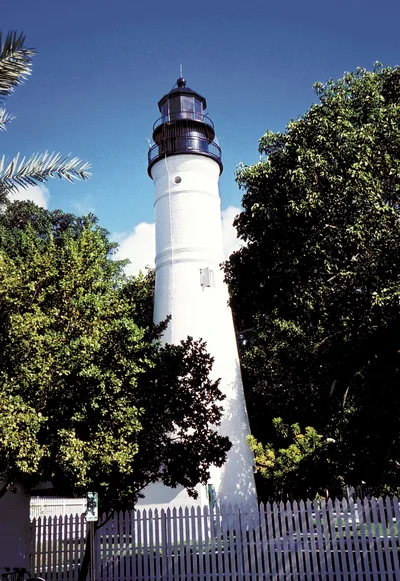
The northern end meets Mallory Square and the waterfront; the southern end is a block from the Southernmost Point Buoy. The Hemingway house, the lighthouse and the Custom House museum are all within a short walk.
See every tour and attraction we cover in Key West.