TorontoOntario · 36 tours
 Niagara FallsOntario · 25 tours
 New York CityNew York · 30 tours
 Las VegasNevada · 8 tours
 San FranciscoCalifornia · 16 tours
 VancouverBritish Columbia · 17 tours
 DubaiUAE · 54 tours
 Abu DhabiUAE · 5 tours
 Buenos AiresArgentina · 23 tours
 AthensGreece · 31 tours
 AucklandNew Zealand · 38 tours
 CancunMexico · 54 tours
No destinations match “”. Try searching all tours instead — that search understands full questions, not just place names.
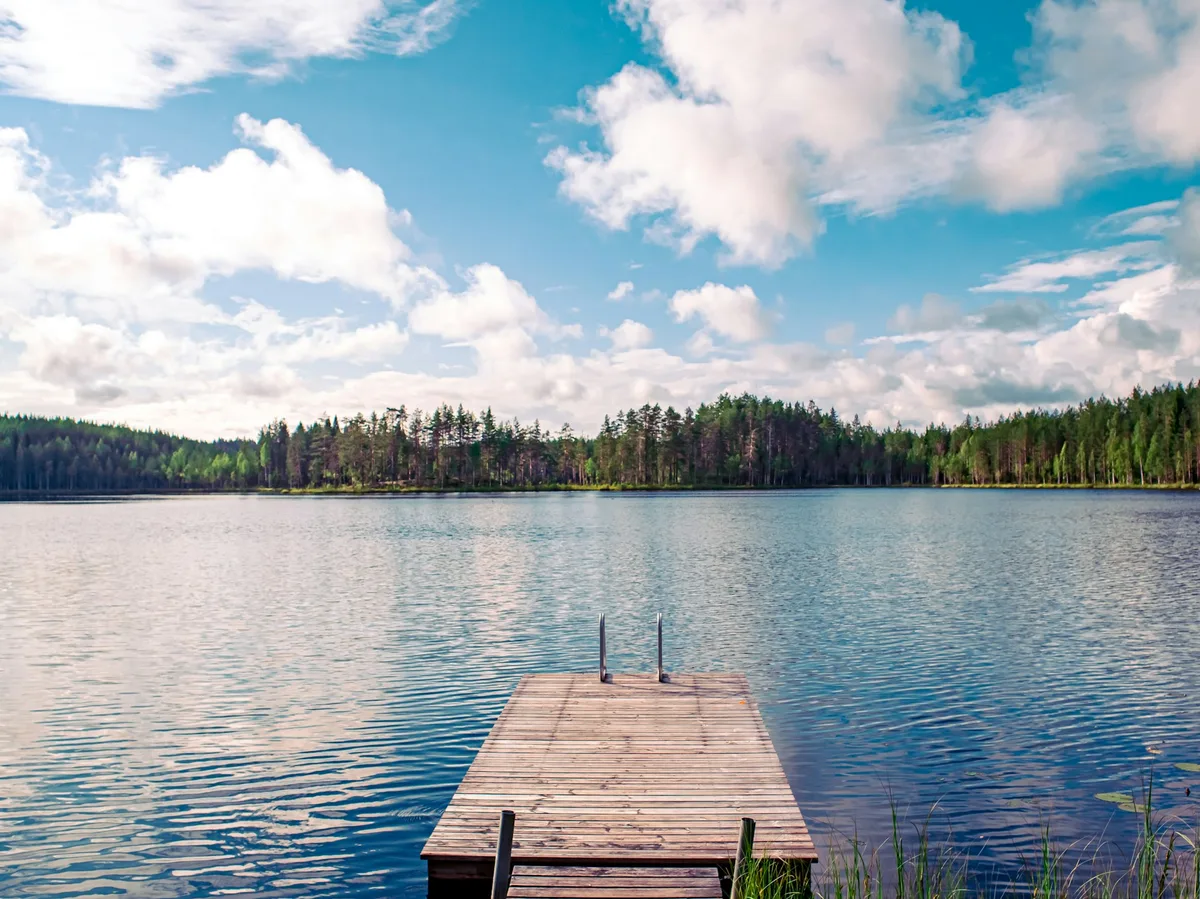
A traditional Finnish sauna session followed by a plunge into a nearby lake — one of the country's oldest and most genuine cultural rituals, found everywhere from city waterfronts to countryside cottages.
Visitor guide
The Finnish sauna is a bathing tradition in which bathers alternate between a hot room and a cooling plunge, often into a lake, the sea or snow. Finnish sauna culture was inscribed on UNESCO's Representative List of the Intangible Cultural Heritage of Humanity in December 2020.
According to Wikipedia, the oldest Finnish saunas were pits dug into a slope and used as winter dwellings, where stones heated in a fire were splashed with water to make steam. Early saunas were smoke saunas, known as savusauna, which had no chimney. A fire was lit under the stones and then allowed to die, and the stored heat did the work; such saunas could hold heat for up to 12 hours.
The Industrial Revolution brought wood-burning metal stoves with chimneys, and an electric sauna stove was introduced in 1938 by Metos Ltd in Vaasa. Smoke saunas are now mostly used for special occasions such as Christmas, Easter and Midsummer, and enthusiasts revived them in the 1980s.
The room is typically heated to about 80-110 degrees Celsius. Water thrown on the hot stones, called the kiuas, creates steam known as loyly, a word that also means the heat that steam produces. Bathers wash, sit in the heat, then cool off by going outside, showering, or entering water, and they usually repeat the cycle two or three times.
Bundles of birch twigs called vihta or vasta are sometimes used to gently slap the skin, which is said to relax muscles. Nudity is normal in a Finnish sauna, and swimsuits are generally not allowed in public sauna hot rooms. Traditionally the session is followed by sausages and beer or a soft drink.
Cooling off is part of the ritual rather than an extra. Many Finns use a nearby lake at a summer cottage, while in winter they may roll in snow or swim through a hole cut in the ice, called an avanto. Sources advise pausing after leaving the sauna and entering cold water gradually, because rapid cooling strains the circulatory system. Anyone with a heart condition or other health concern should take medical advice before trying it.
Saunas are found in lakeside cottages, apartment buildings, offices and even the Finnish Parliament. Official registers count at least 2 million saunas in Finland, while the Finnish Sauna Society has estimated up to 3.2 million, for a population of about 5.5 million. Those with access usually take a sauna at least once a week, and Saturday is the traditional day.
Folklore also gave the sauna a spiritual dimension. A Finnish saying compares behaviour in the sauna to behaviour in church, and tradition spoke of a sauna elf, the saunatonttu, who was respected and sometimes offered food. Because this is a living custom, a private tour can arrange a visit with a local host or at a lakeside venue, so travellers experience the etiquette in context rather than guessing at it.
See every tour and attraction we cover in Finland.