TorontoOntario · 36 tours
 Niagara FallsOntario · 25 tours
 New York CityNew York · 30 tours
 Las VegasNevada · 8 tours
 San FranciscoCalifornia · 16 tours
 VancouverBritish Columbia · 17 tours
 DubaiUAE · 54 tours
 Abu DhabiUAE · 5 tours
 Buenos AiresArgentina · 23 tours
 AthensGreece · 31 tours
 AucklandNew Zealand · 38 tours
 CancunMexico · 54 tours
No destinations match “”. Try searching all tours instead — that search understands full questions, not just place names.
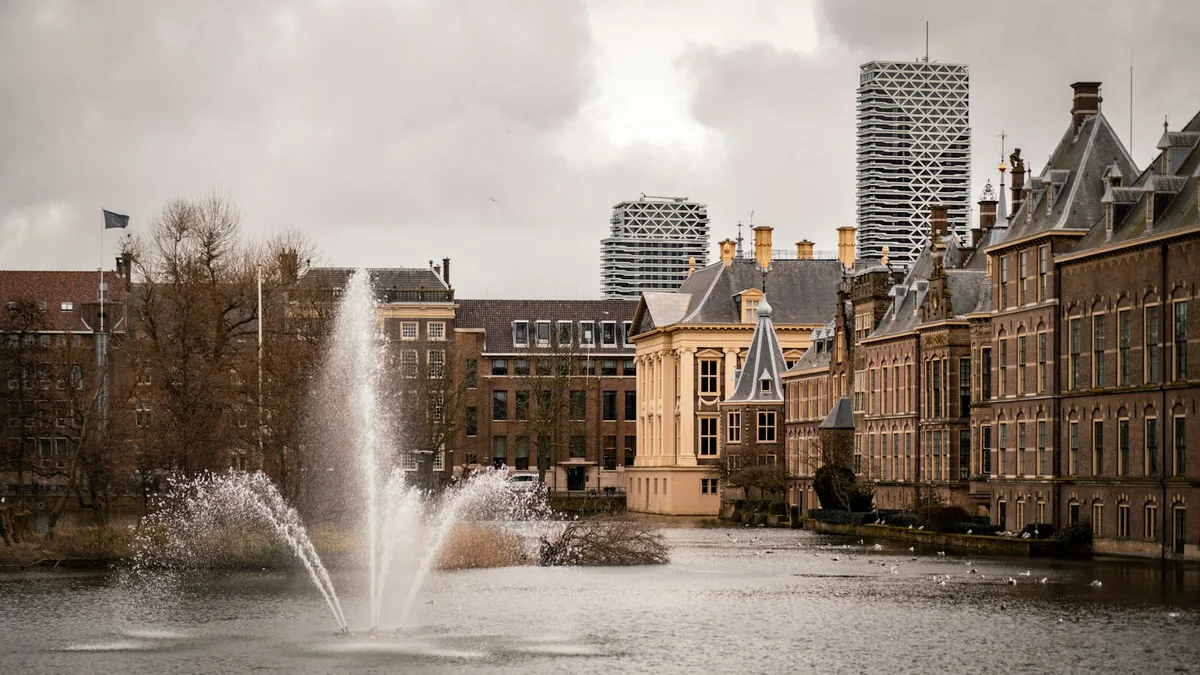
The Netherlands' seat of government since the 13th century, a courtyard complex in The Hague housing parliament, right beside the Mauritshuis museum's collection of Dutch and Flemish masters including Vermeer's 'Girl with a Pearl Earring.'
 Multi-Day Tours
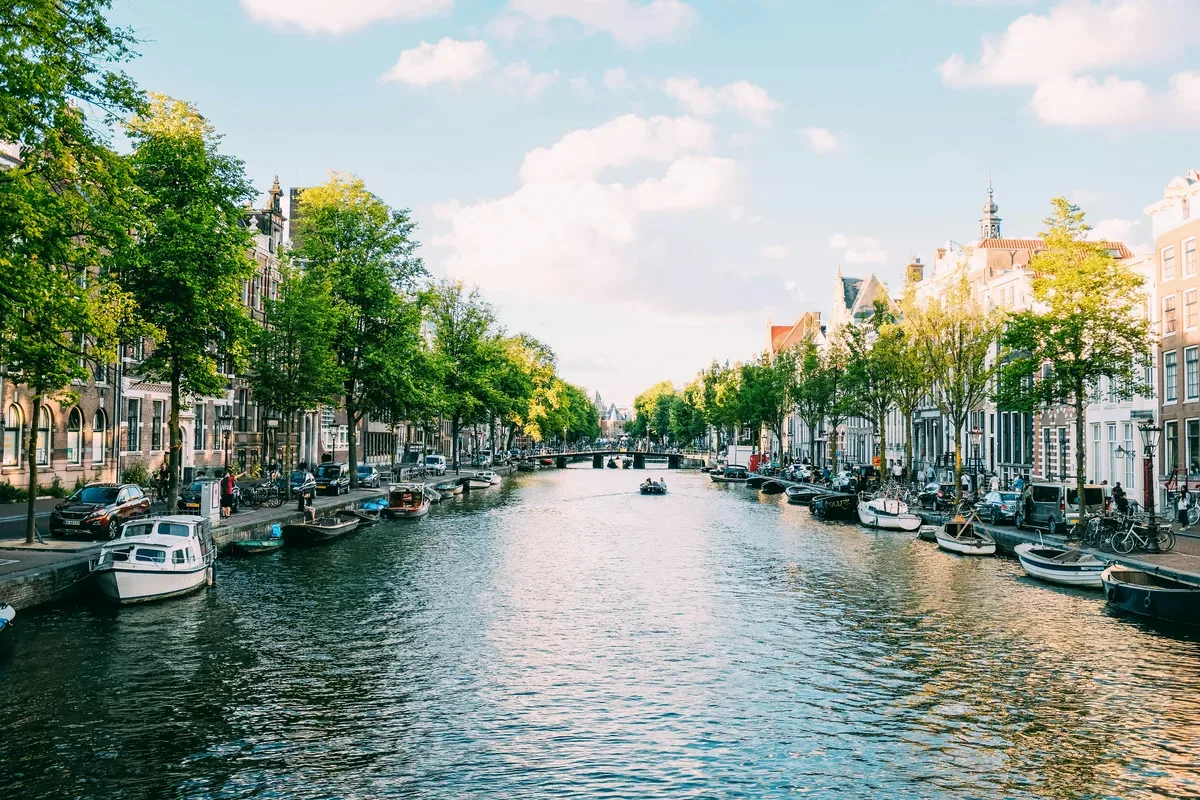
A 9-day luxury route through Amsterdam's canals and museums, the windmills and cheese markets of the Dutch countryside, Rotterdam's modern architecture, and The Hague's royal art collections, with fine dining throughout.
 Multi-Day Tours
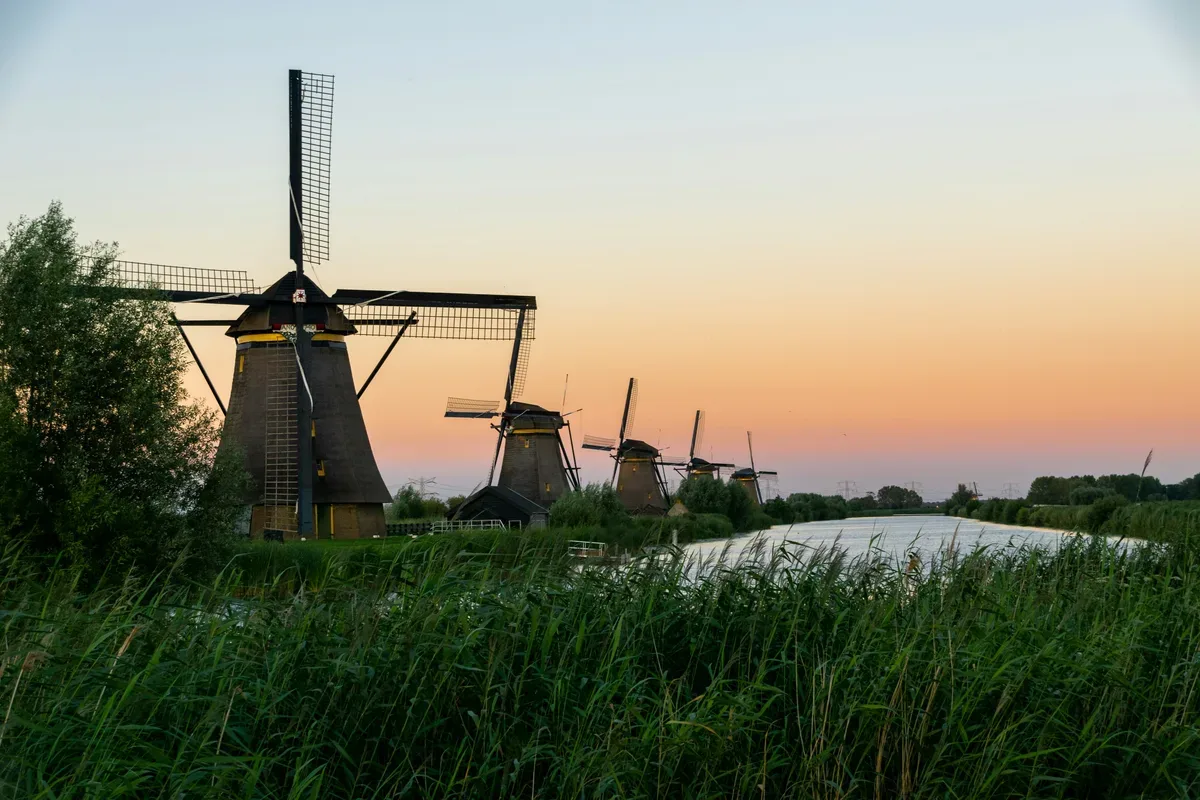
A 7-day route from Amsterdam through The Hague's royal art and politics, the ceramic town of Delft, Rotterdam's modern skyline, and the UNESCO windmills of Kinderdijk.
 Multi-Day Tours
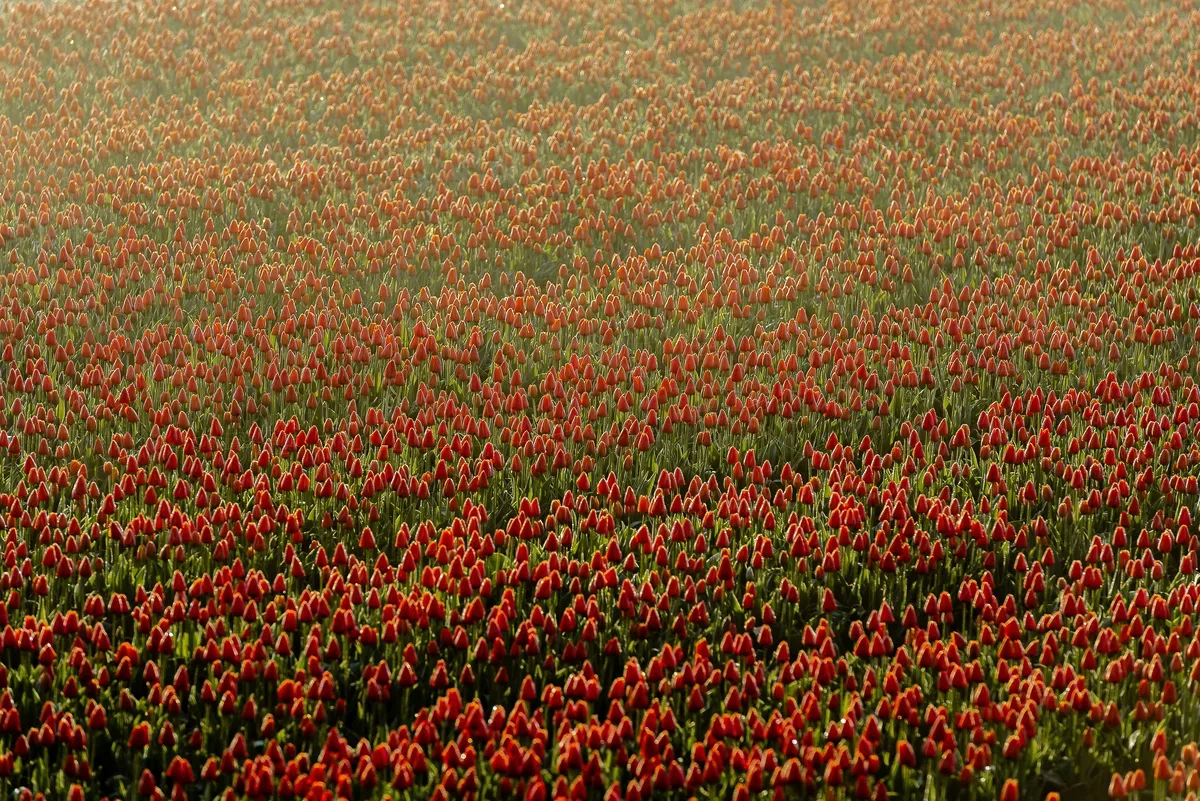
A 10-day cross-section of the Netherlands, from Amsterdam and The Hague's Old Masters to the university city of Leiden, Rotterdam's architecture, the Hoge Veluwe's Kröller-Müller Museum, and North Holland's coastal villages by bike, boat and steam train.
 Multi-Day Tours
A relaxed 12-day tour based from just two hotels — Amsterdam and The Hague — covering the Rijksmuseum and Van Gogh Museum, Dutch countryside traditions, Delft's Delftware factory, and Rotterdam's architecture.
Visitor guide
The Binnenhof is a complex of buildings in the centre of The Hague, in the Netherlands, that has been the heart of Dutch politics for centuries. Right beside it, the Mauritshuis is a small museum of Dutch Golden Age paintings, including Vermeer's Girl with a Pearl Earring.
Wikipedia records that Count Floris IV of Holland bought the grounds in 1229 and built a hunting lodge there. His successor, William II, is often credited with founding the complex after he became King of the Romans in 1248, and he likely began the Ridderzaal, or Hall of Knights. The Gothic hall was finished under Floris V and was originally built as a ballroom. Today it stands at the centre of the complex, and the King traditionally delivered the annual Speech from the Throne there on Prinsjesdag, the third Tuesday of September; since 2022 the speech has been given at the Koninklijke Schouwburg while the Binnenhof is renovated.
In 1584 the States General of the Dutch Republic began meeting in the Ridderzaal, making the Binnenhof the republic's political centre. The Stadtholder's Gate dates from 1620, and the stadtholders had their own quarters in the complex. The Senate meets in a chamber in the western corner overlooking the Hofvijver, or Court Pond, while the House of Representatives first met in the Oude Zaal and later moved to a modern eastern chamber. The Prime Minister's office has been in a small northern tower, the Torentje, or Little Tower, since 1982. The Treveszaal, built for Eighty Years' War negotiations, is now the cabinet's meeting room.
The complex was nearly torn down in 1848 but was saved after local protest. Wikipedia describes it as considered the oldest parliament building in the world still in use, a claim that is best treated as a common description, not a certain fact.
The Mauritshuis stands next to the Binnenhof, by the Hofvijver. It was built between 1636 and 1641 as the residence of Johan Maurits, Prince of Nassau-Siegen, while he governed Dutch Brazil, and designed by Jacob van Campen and Pieter Post in the Dutch Classicist style. A fire in 1704 destroyed most of the interior and the original cupola, and restoration ran from 1708 to 1718.
The Dutch state bought the building in 1820, and it opened to the public in 1822 to house the Royal Cabinet of Paintings. The collection grew from that of Stadtholder William V, which his son, King William I, gave to the state. During the German occupation the art was kept in a bunker beneath the museum and later moved to caves near Maastricht until liberation in 1945.
The museum holds 854 objects, mostly Dutch Golden Age paintings. The best-known works are Vermeer's Girl with a Pearl Earring, from around 1665, and View of Delft, from around 1660, Rembrandt's The Anatomy Lesson of Dr. Nicolaes Tulp, from around 1632, and Carel Fabritius's The Goldfinch, from 1654. A renovation designed by Hans van Heeswijk ran from 2012 to 2014, and King Willem-Alexander reopened the museum on 27 June 2014.
A private tour can combine the exterior of the Binnenhof with the Mauritshuis in a short city walk, with tickets and any interior access arranged separately.
See every tour and attraction we cover in Netherlands.