TorontoOntario · 36 tours
 Niagara FallsOntario · 25 tours
 New York CityNew York · 30 tours
 Las VegasNevada · 8 tours
 San FranciscoCalifornia · 16 tours
 VancouverBritish Columbia · 17 tours
 DubaiUAE · 54 tours
 Abu DhabiUAE · 5 tours
 Buenos AiresArgentina · 23 tours
 AthensGreece · 31 tours
 AucklandNew Zealand · 38 tours
 CancunMexico · 54 tours
No destinations match “”. Try searching all tours instead — that search understands full questions, not just place names.
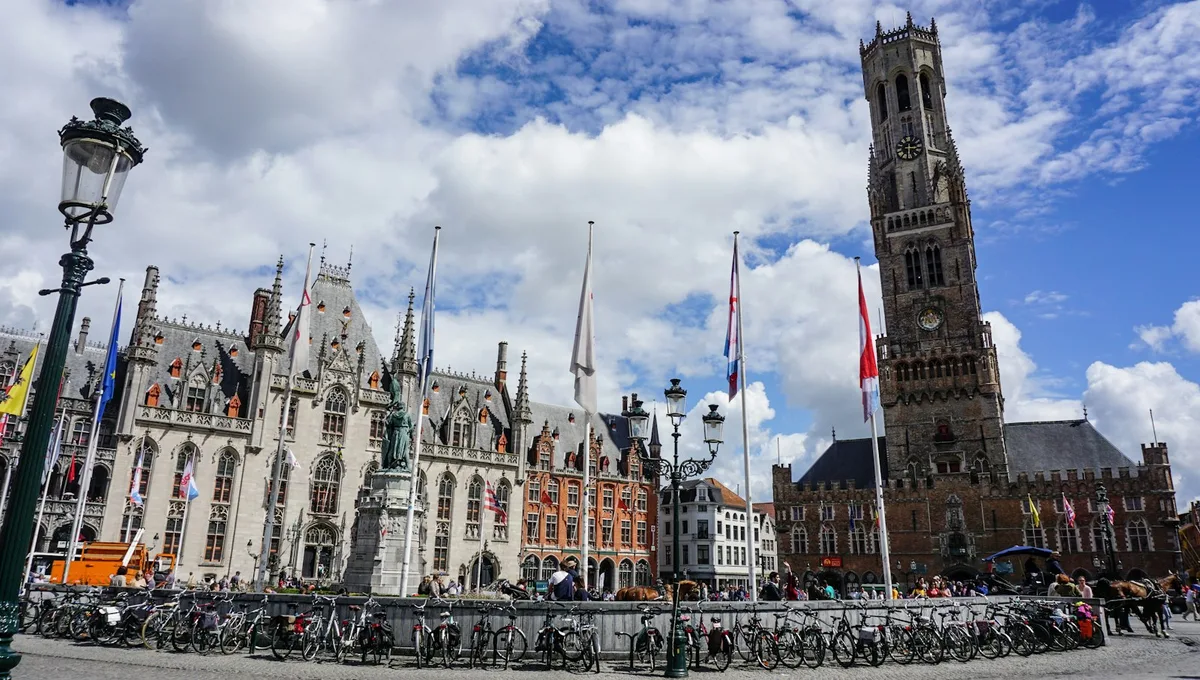
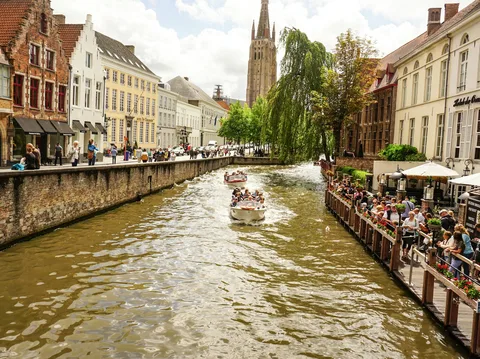
A medieval bell tower rising 83 metres over Bruges' Markt square, climbable via 366 steps to a viewing platform above the city's stepped-gable rooftops.
 Multi-Day Tours Popular Pick
A 9-day private tour through Belgium's four great cities — Antwerp, Ghent, Bruges, and Brussels — built around guided walking and food tours, chocolate, and Flemish architecture, entirely within Belgium.
 Multi-Day Tours
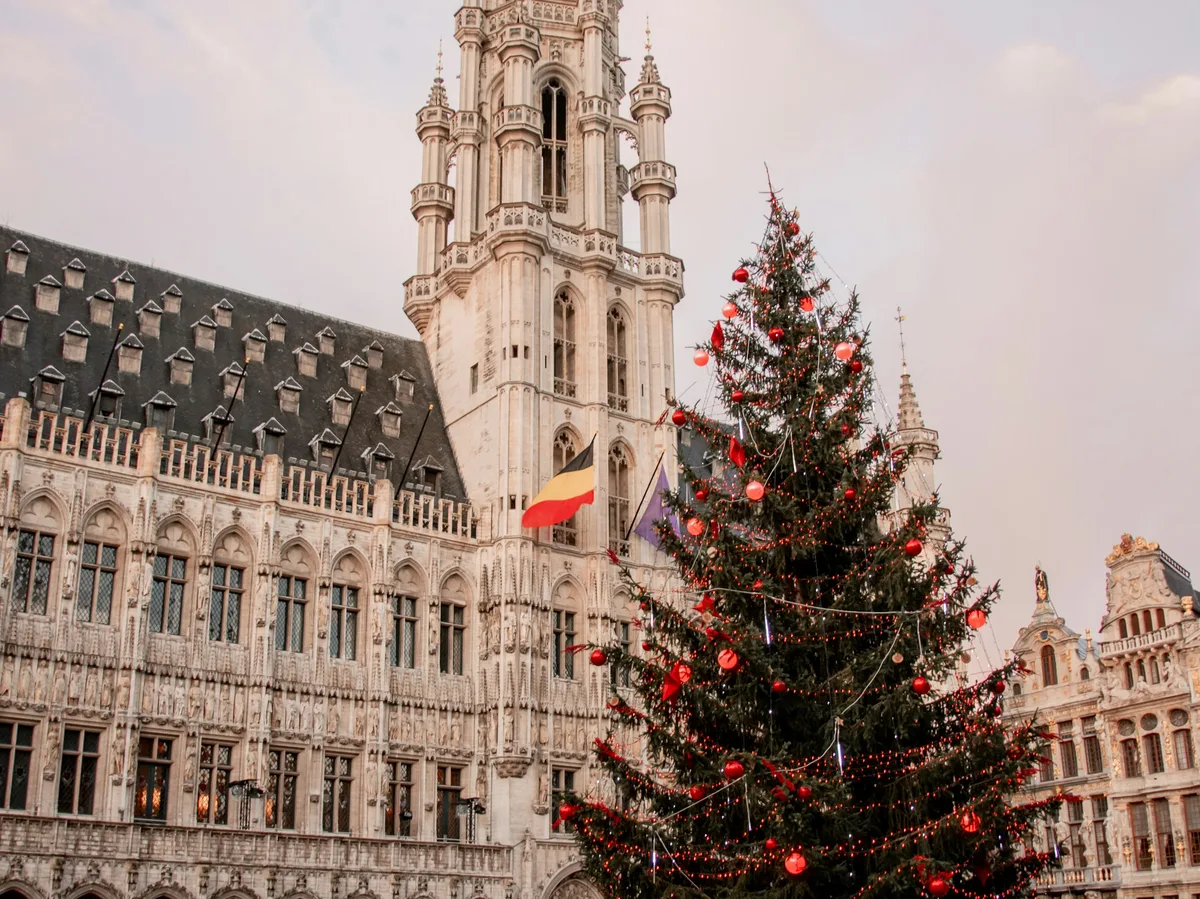
A 7-day private winter tour through Bruges, Ghent, and Brussels, timed to Belgium's Christmas markets — mulled wine, chocolate, ice skating, and Gothic squares lit up for the season.
 Multi-Day Tours
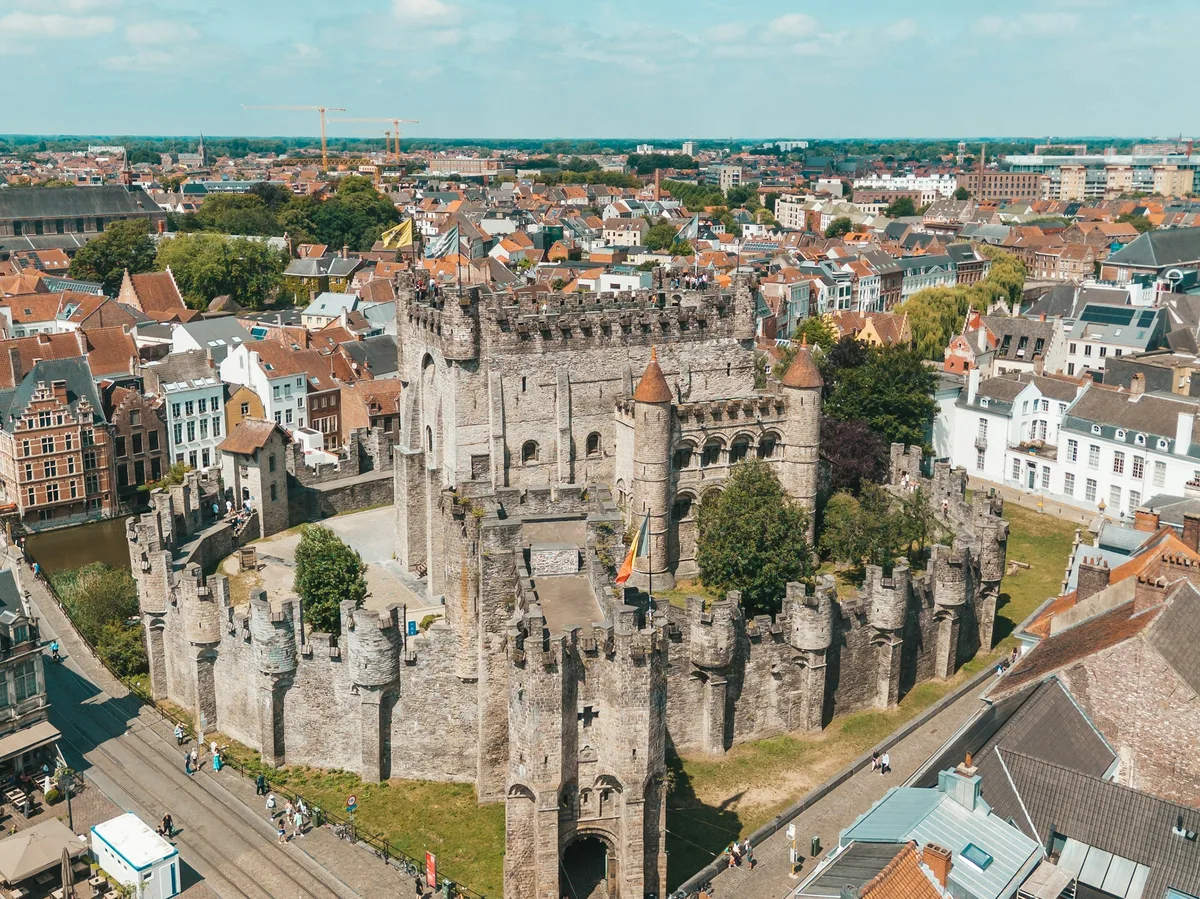
A 12-day, unhurried private circuit — six nights based in Amsterdam, then five nights based in Ghent with easy day trips to Antwerp and Bruges, built for travelers who prefer fewer hotel changes.
Visitor guide
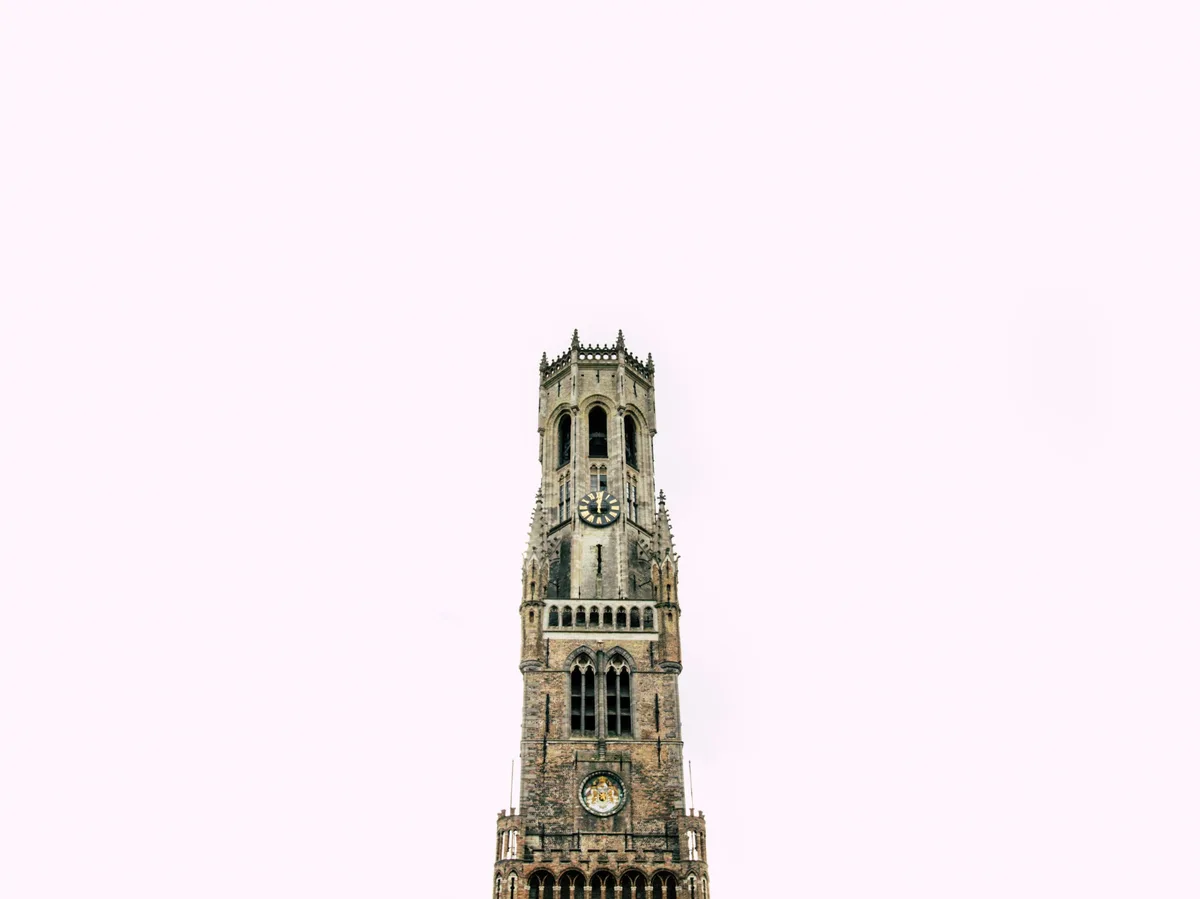
The Belfry of Bruges is a medieval bell tower rising 83 metres above the Markt square in Bruges, Belgium. Built in brick Gothic style and added to the market around 1240, it is one of the city's defining landmarks and forms part of two UNESCO World Heritage listings.
The belfry was added to the Markt around 1240, when Bruges was a major centre of the Flemish cloth industry. A fire in 1280 largely rebuilt the upper half of the tower and cost the city its archives. The octagonal upper stage was added between 1483 and 1487 and topped with a wooden spire bearing Saint Michael. Lightning destroyed that spire and the bells in 1493, and a replacement stood for about two and a half centuries until fire destroyed it in 1741. It was never replaced, and in 1822 an openwork stone parapet in Gothic Revival style was added.
Wikipedia gives the height as 83 metres today, down from 102 metres before the spire was lost, and notes that the tower leans 87 centimetres to the east. Henry Wadsworth Longfellow's poem The Belfry of Bruges plays on this history with the phrase thrice consumed and thrice rebuilded.
The belfry rises from the Halle, the former market hall, which stands beside and behind it and measures about 44 metres wide and 84 metres deep around an inner courtyard. This is why the tower is also known as the Halletoren. A narrow, steep staircase of 366 steps leads to the top, passing through the tower's interior before emerging above the rooftops of the old town.
The bells once regulated city life by announcing the time, fires, work hours and civic, political and religious events. A carillon was installed in the 16th century, and from 1604 the city employed a carillonneur to play on Sundays, holidays and market days. In 1675 the carillon had 35 bells cast by Melchior de Haze of Antwerp. After the 1741 fire, Joris Dumery cast a new set, 26 of which remain in use. Today there are 47 bells weighing about 27.5 tonnes in total, and a separate swinging bell, Maria, rings only on special occasions such as the King's birthday.
Since 1999 the belfry has been part of the UNESCO-listed Belfries of Belgium and France, and it is also a key component of the Historic Centre of Bruges, inscribed in 2000. It appears in the 2008 film In Bruges and is mentioned in the 2004 novel Cloud Atlas.
The belfry is best experienced both from the square, where its full height can be appreciated against the gabled houses, and from the viewing platform if a climb suits your group. A private guided visit can place it within the wider story of Bruges as a cloth-trading city.
See every tour and attraction we cover in Belgium.