TorontoOntario · 36 tours
 Niagara FallsOntario · 25 tours
 New York CityNew York · 30 tours
 Las VegasNevada · 8 tours
 San FranciscoCalifornia · 16 tours
 VancouverBritish Columbia · 17 tours
 DubaiUAE · 54 tours
 Abu DhabiUAE · 5 tours
 Buenos AiresArgentina · 23 tours
 AthensGreece · 31 tours
 AucklandNew Zealand · 38 tours
 CancunMexico · 54 tours
No destinations match “”. Try searching all tours instead — that search understands full questions, not just place names.
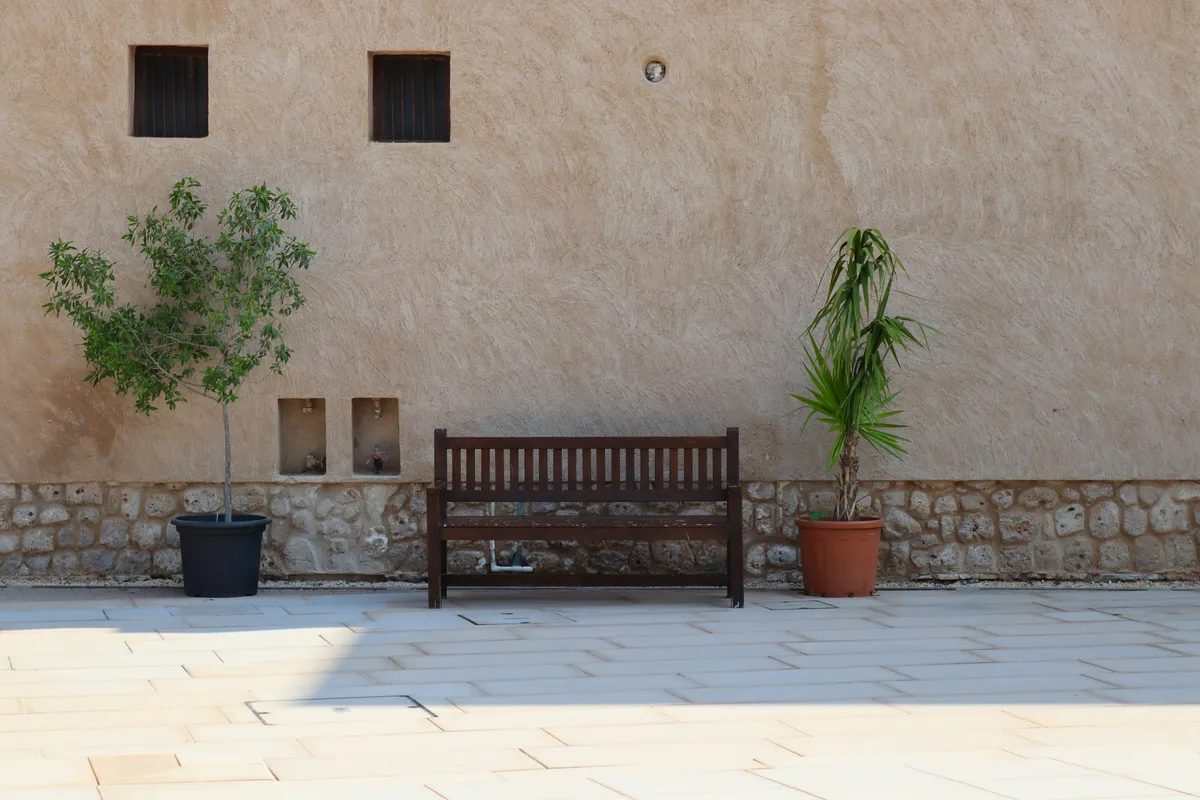
One of Dubai's oldest surviving neighborhoods, a grid of sand-colored lanes and wind-tower courtyard houses in Bur Dubai, connected by a traditional abra boat crossing of Dubai Creek to Deira's Gold Souk and Spice Souk.
 Private Tours
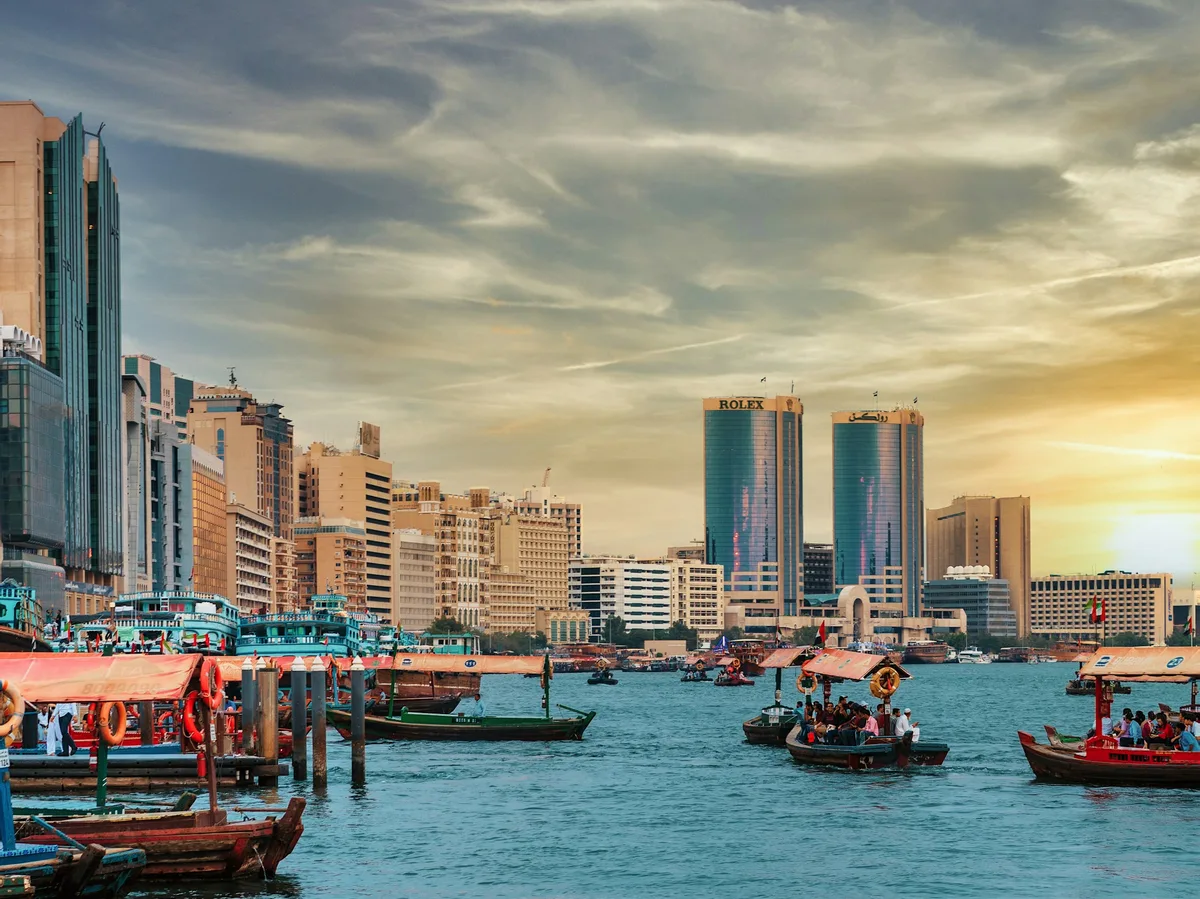
A 2-hour guided walk through Old Dubai's heritage neighborhoods and souks, with a traditional abra boat ride across Dubai Creek, a stop at Baba's Cave, and tastings of Arabic coffee, saffron tea, dates, and local sweets along the way.
 Private Tours
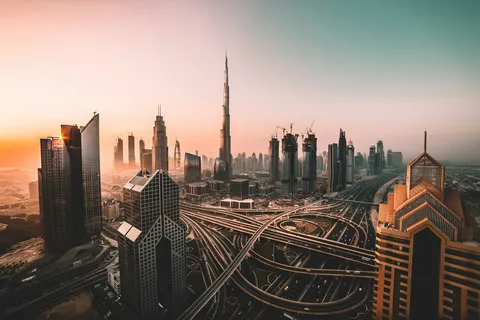
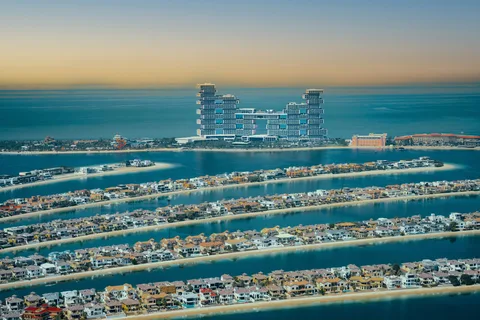
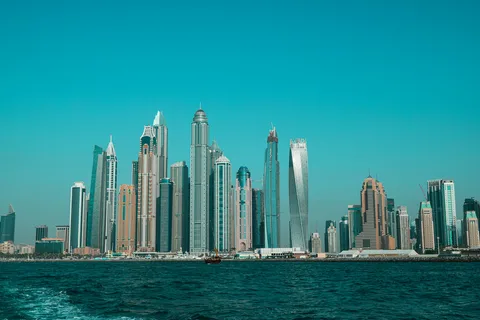
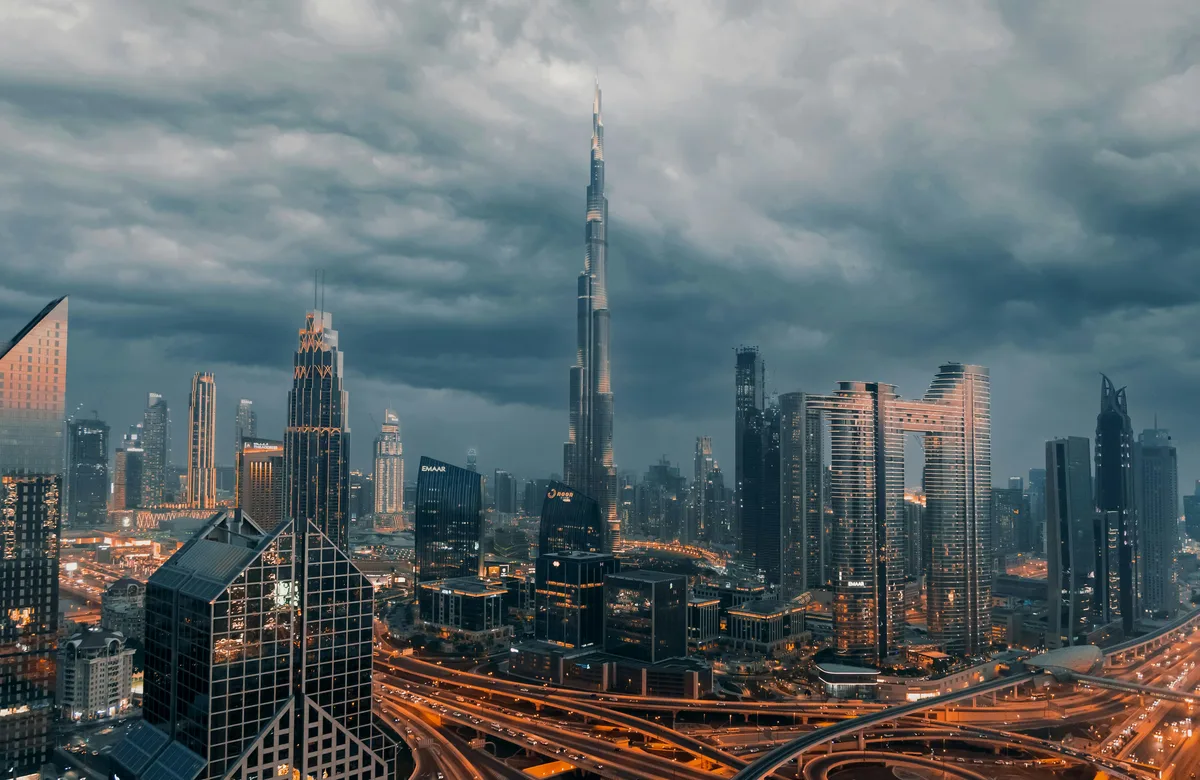
A full-day private Dubai city tour with a licensed guide and private vehicle, taking in Dubai Marina, Palm Jumeirah, Burj Al Arab, the Blue Mosque, Old Dubai's souks and an abra ride, and skip-the-ticket-line entry to the Burj Khalifa.
 Private Tours
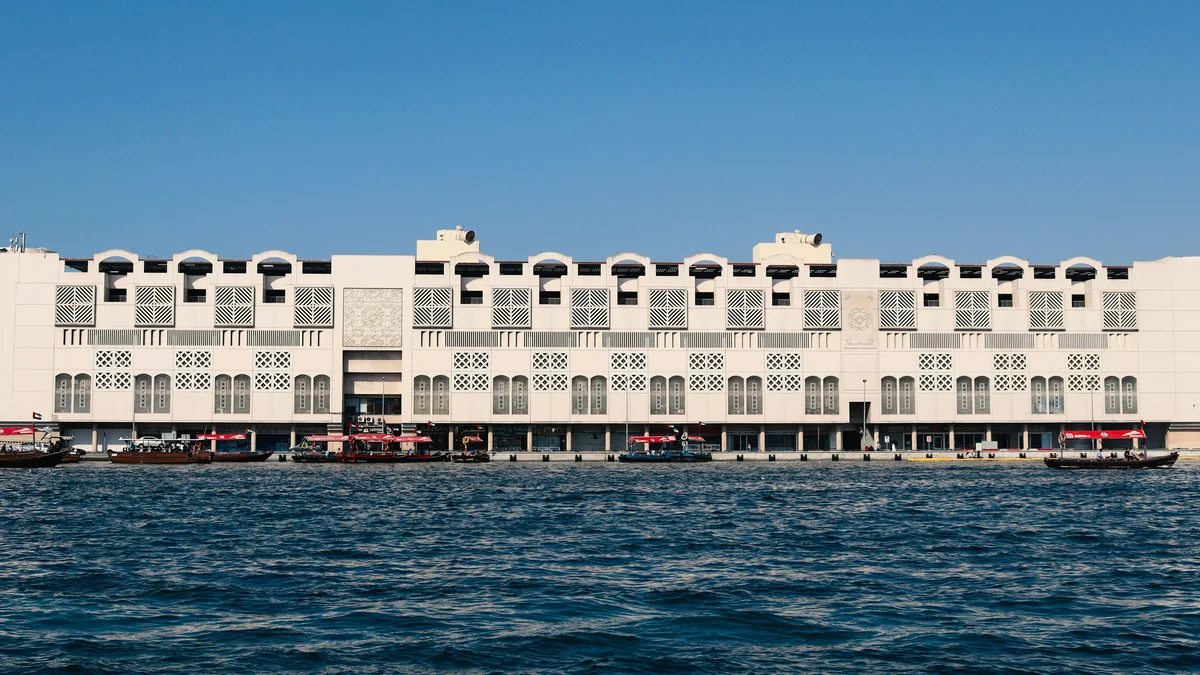
A private, guided day across Old and New Dubai — Al Fahidi's lanes, an abra ride on Dubai Creek, the Gold and Spice Souks, the Dubai Frame, and Burj Khalifa — with just your group and a local guide.
Visitor guide
The Al Fahidi Historical Neighbourhood, long known as Al Bastakiya, is a preserved quarter of narrow lanes and wind-tower courtyard houses on the Bur Dubai bank of Dubai Creek in Dubai, United Arab Emirates. Across the water in Deira lie the Gold Souk and Spice Souk, and a short abra boat crossing of the Creek links the two sides of old Dubai.
Heritage sources agree on the broad story but differ on dates. The quarter is named after Bastak, a town in southern Iran, whose merchants settled in Dubai to trade; some accounts place the main building phase in the early 1900s, while others describe settlement through the 19th century. The merchants laid out a maze of narrow alleys, called sikkas, that echoed the layout of their hometown, which gave the district its popular name, Bastakiya.
Houses were built from local materials. Accounts describe coral and sea stone gathered along the Creek, bound with mud, sand, gypsum and lime. Earlier palm-frond houses, known as areesh, gave way to stone after a fire in the late 19th century destroyed much of the market and surrounding palm huts, according to one heritage account.
The signature feature is the barjeel, or wind tower, a square tower that catches breezes and channels them into the house below. Sources suggest the technique arrived in Dubai in the late 19th century with merchants and craftsmen from across the Gulf, and one estimate holds that such towers can lower indoor temperatures by roughly 10 degrees Celsius, although this figure should be treated as approximate. Houses are generally low, mostly no more than two storeys, and are arranged around inner courtyards that provide shade and privacy.
By the 1970s many buildings had fallen into disrepair as residents moved to newer neighbourhoods. One account says that half of the district was demolished in the 1980s, with the remainder slated for demolition, before the British architect Rayner Otter, supported by the then Prince Charles, helped argue for preservation. Restoration work followed and was reported as complete by about 2005. Today the area is officially called the Al Fahidi Historical Neighbourhood, and many former homes house galleries, cafes, craft shops, small museums and boutique hotels, with one source counting about 50 buildings in cultural use.
Just beside the neighbourhood stands Al Fahidi Fort, which Wikipedia says was built in 1787 and is described as the oldest existing building in Dubai. It is a square coral-rock fort with towers at three corners and a central courtyard, which includes a traditional palm-frond summer house with a wind tower. The Ruler of Dubai opened it as the Dubai Museum in 1971 to present the emirate's traditional way of life, with galleries on 19th-century culture, trade with Africa and Asia, and dioramas of pre-oil life. A renovation was carried out in 2021.
Dubai Creek is a natural saltwater inlet of the Persian Gulf, roughly 14 kilometres long in its natural form according to Wikipedia. In the early 20th century it served as a port for dhows from India and East Africa, and its pearling industry was the city's main economic activity until cultured pearls appeared in the 1930s. Traditional abra boats still carry passengers between the Bur Dubai and Deira banks. On the Deira side, the Spice Souk and Gold Souk are working markets, where sacks and shelves of spices, herbs and other goods reflect the city's long role in regional trade.
The neighbourhood is best explored slowly on foot, and a private guide can explain the architecture, the Creek's trading history and the way the old quarter connects to the souks. A private vehicle and driver can handle transfers to and from the old town so that the walking, the abra crossing and the market visits can be linked without logistics.
See every tour and attraction we cover in Dubai.