 TorontoOntario · 36 tours
 Niagara FallsOntario · 25 tours
 New York CityNew York · 30 tours
 Las VegasNevada · 8 tours
 San FranciscoCalifornia · 16 tours
 VancouverBritish Columbia · 17 tours
 DubaiUAE · 54 tours
 Abu DhabiUAE · 5 tours
 Buenos AiresArgentina · 23 tours
 AthensGreece · 31 tours
 AucklandNew Zealand · 38 tours
 CancunMexico · 54 tours
No destinations match “”. Try searching all tours instead — that search understands full questions, not just place names.
Four real historical sites south of Phoenix, preserved for hundreds of years, in one private day.
A full day exploring Southern Arizona's real historic sites: Casa Grande Ruins National Monument, Picacho Peak State Park, Mission San Xavier del Bac in Tucson, and Tumacacori National Historic Park.
A genuinely deep history day: you'll visit Casa Grande Ruins National Monument, Picacho Peak State Park, the Mission San Xavier del Bac in Tucson, and Tumacacori National Historic Park, all real sites preserved for hundreds of years, with your guide sharing the history at each stop and lunch included.
A popular starting point — every Voyzo itinerary is fully customizable, so we'll shape the order and stops around your group.
Private pickup from your hotel in the Phoenix area.
See the real preserved 'Great House,' built by the Hohokam people roughly 700 years ago.
Visit this real, centuries-old Spanish mission near Tucson.
Explore the ruins of another genuine historic Spanish mission site.
Back to your hotel, home, or the airport — whenever your day wraps up.
Every group size is covered — from an intimate private ride to large multi-coach groups.
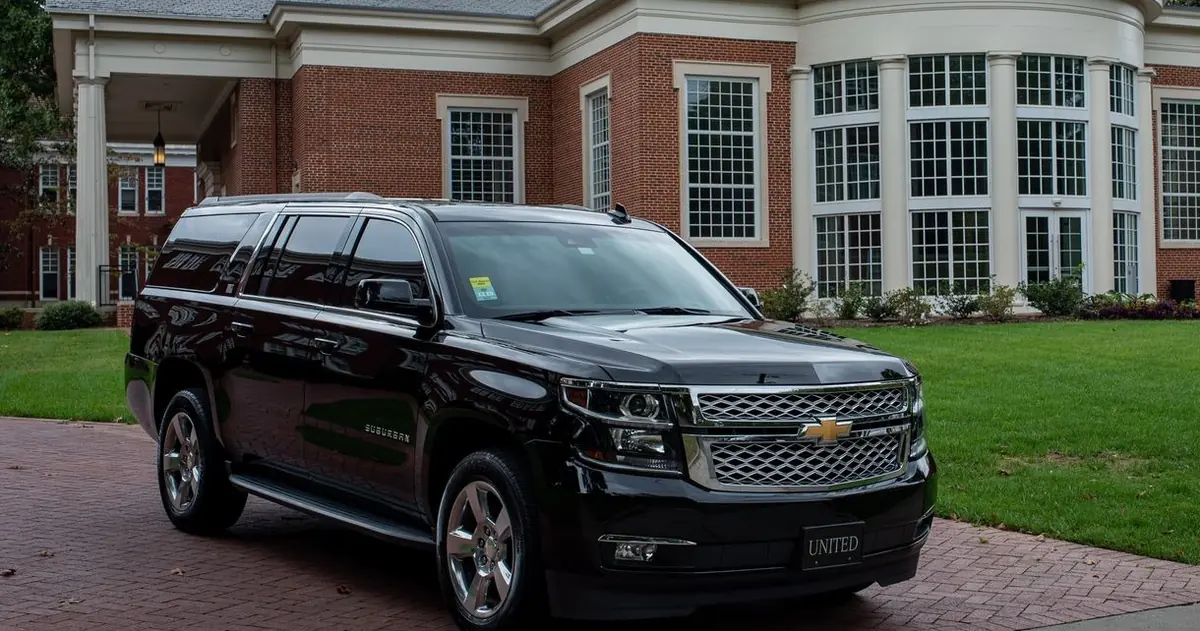 Up to 6
A fast, private ride for couples, small families, or business travelers — plenty of luggage room and a smooth, quiet cabin.
 Up to 14
Comfortable, air-conditioned seating for small and mid-size groups — our most popular option for families and friend groups traveling together.
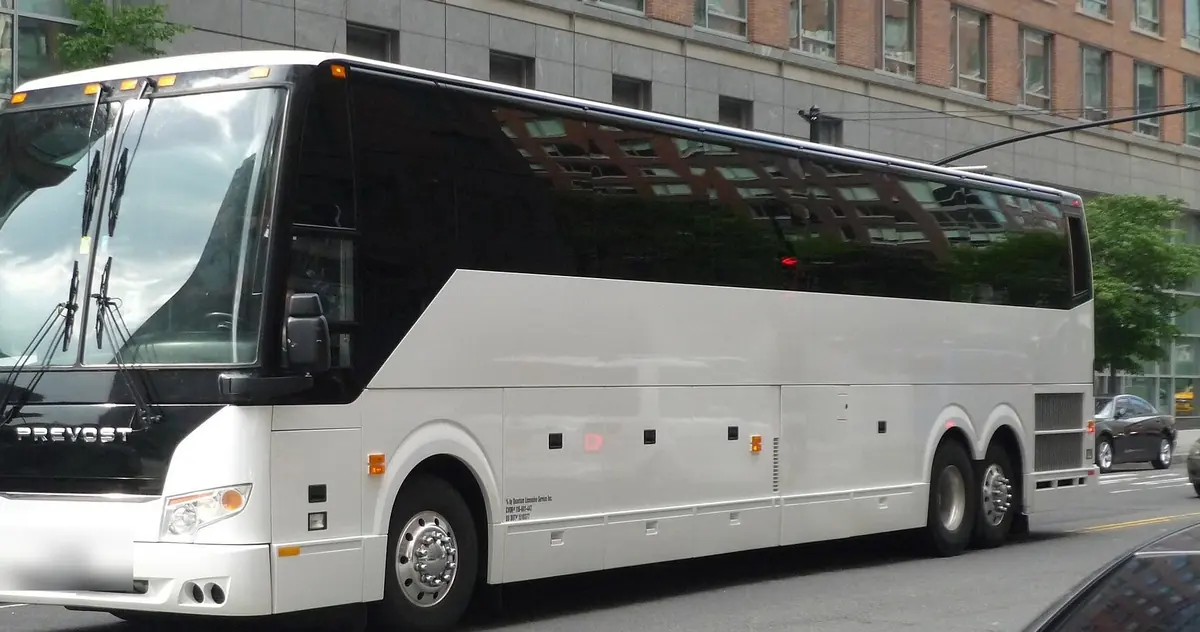 Up to 56
Our largest single vehicle — a full-size luxury motorcoach for large groups, conventions, and corporate events that still want one private tour, one vehicle.
A full day exploring Southern Arizona's real historic sites: Casa Grande Ruins National Monument, Picacho Peak State Park, Mission San Xavier del Bac in Tucson, and Tumacacori National Historic Park. A genuinely deep history day: you'll visit Casa Grande Ruins National Monument, Picacho Peak State Park, the Mission San Xavier del Bac in Tucson, and Tumacacori National Historic Park, all real sites preserved for hundreds of years, with your guide sharing the history at each stop and lunch included.
Casa Grande Ruins preserves the remains of a Hohokam farming community and its centerpiece, the 'Great House,' a four-story, roughly 60-foot-long structure completed around 1350 and built almost entirely from caliche, a naturally hardened mix of mud, sand, and calcium carbonate. Its builders oriented the walls precisely to the four cardinal directions, with openings engineered to align with the sun and moon at specific times of year, including the summer solstice. The Hohokam who built it also dug hundreds of miles of irrigation canals across the region, but they abandoned the site entirely around 1450 for reasons that remain unclear; when Father Kino passed through in 1694, he found only an empty ruin. It became the first archaeological site set aside for federal protection in the United States in 1892, and a full National Monument in 1918.
Picacho Peak looks like a scenic desert landmark today, but on April 15, 1862, it was the site of the Battle of Picacho Pass, the largest Civil War engagement fought on Arizona soil and generally recognized as the westernmost battle of the war to produce fatalities. A Union cavalry patrol riding ahead of the California Column clashed with a small party of Confederate pickets stationed out of Tucson; the fighting lasted more than an hour before the Union troops withdrew. Every March the park still hosts a re-enactment, one that by now draws more participants than the original 1862 skirmish ever involved.
Father Eusebio Kino, the same Jesuit missionary tied to Casa Grande's rediscovery, founded more than twenty missions across the region Spain called the Pimería Alta in the late 1600s, and two of them anchor this tour: San Xavier del Bac, begun in 1692, and the mission at Tumacácori, founded in 1691. Rather than retracing San Xavier's architecture (you'll see that in full on-site), it's worth knowing the broader context: these missions were part of one coordinated effort by Kino to establish a chain of Catholic outposts stretching from what's now southern Arizona into Sonora, Mexico, each meant to serve, and ultimately convert, the O'odham communities already living there.
Tumacácori's own history took several sharp turns. After a 1751 revolt by O'odham communities to the southwest left more than a hundred Spanish, Yaqui, and O'odham people dead, the mission relocated to its current site near a newly built Spanish military post at Tubac. When Spain expelled the Jesuits from its territories in 1767, Franciscan missionaries took over, and around 1800 one of them, Fray Narciso Gutiérrez, began building a much larger church than the mission had ever had. It was never finished: poverty and the upheaval of Mexico's war for independence slowed construction, and a Mexican decree forcing Spanish-born residents to leave the country in 1828 cost the mission its last resident priest. Apache raids and a brutal winter finally drove out the remaining settlers in 1848, leaving the unfinished church and its ruins as you'll see them today.
Every Voyzo tour is a starting point — tell us what you have in mind and we'll build it.
