
 TorontoOntario · 36 tours
 Niagara FallsOntario · 25 tours
 New York CityNew York · 30 tours
 Las VegasNevada · 8 tours
 San FranciscoCalifornia · 16 tours
 VancouverBritish Columbia · 17 tours
 DubaiUAE · 54 tours
 Abu DhabiUAE · 5 tours
 Buenos AiresArgentina · 23 tours
 AthensGreece · 31 tours
 AucklandNew Zealand · 38 tours
 CancunMexico · 54 tours
No destinations match “”. Try searching all tours instead — that search understands full questions, not just place names.
A private walk through 300 years of Greenwich Village rebellion and history.
A private walking tour through Greenwich Village's history of immigrants, political leaders, and human rights activists, from the 1620s to the 1960s.
This tour is a walking tour with a private guide, not a vehicle tour — it's built specifically around Greenwich Village's history of dissent and reform.
A popular starting point — every Voyzo itinerary is fully customizable, so we'll shape the order and stops around your group.
Meets at a fixed Greenwich Village location — confirmed at booking.
From 1620s settlers to the political and cultural movements of the 1960s.
Real stories of the immigrants and political leaders who shaped the neighborhood.
The real history of Greenwich Village's role in human rights movements.
Greenwich Village isn't covered by any of our other New York City tours.
Back to your hotel, home, or the airport — whenever your day wraps up.
Every group size is covered — from an intimate private ride to large multi-coach groups.
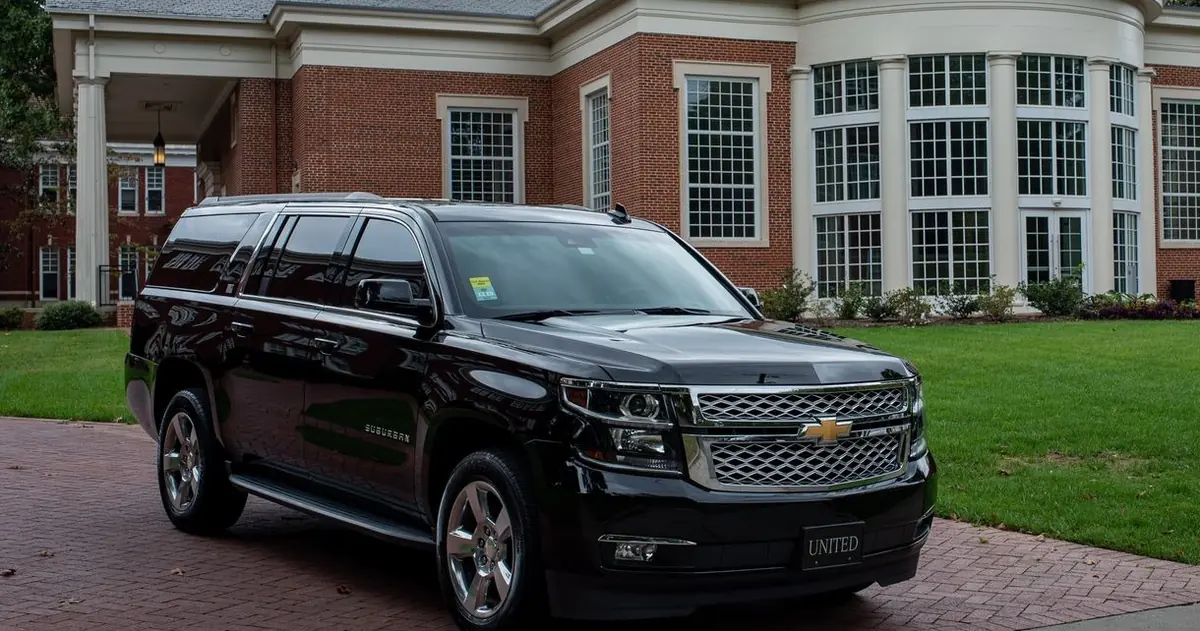 Up to 6
A fast, private ride for couples, small families, or business travelers — plenty of luggage room and a smooth, quiet cabin.
 Up to 14
Comfortable, air-conditioned seating for small and mid-size groups — our most popular option for families and friend groups traveling together.
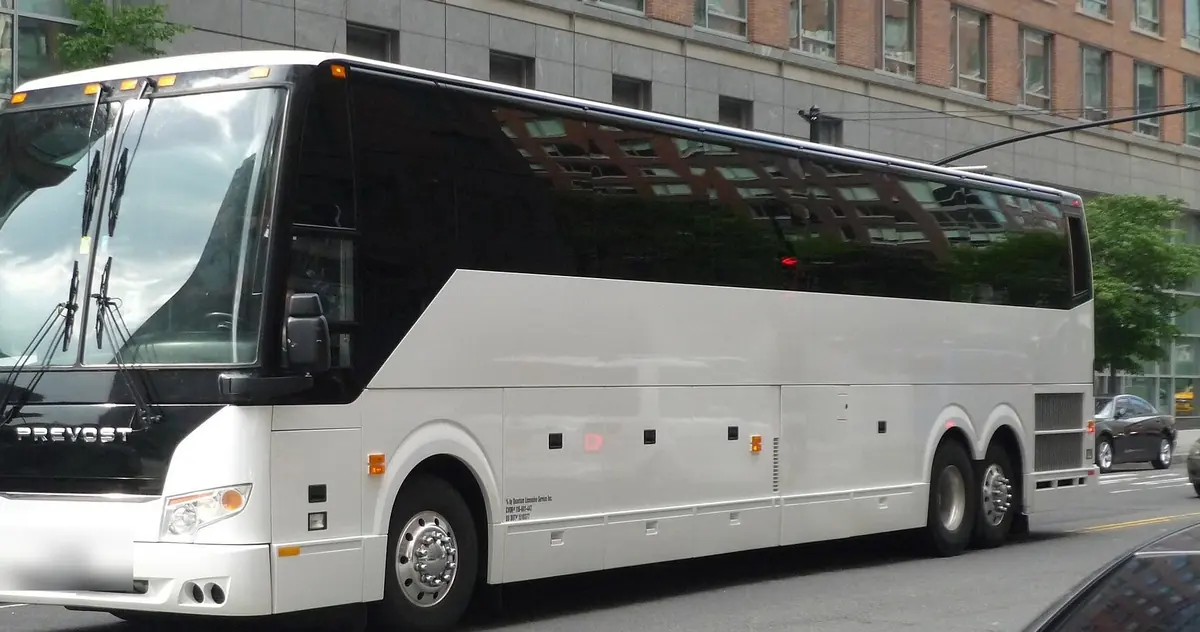 Up to 56
Our largest single vehicle — a full-size luxury motorcoach for large groups, conventions, and corporate events that still want one private tour, one vehicle.
A private walking tour through Greenwich Village's history of immigrants, political leaders, and human rights activists, from the 1620s to the 1960s. This tour is a walking tour with a private guide, not a vehicle tour — it's built specifically around Greenwich Village's history of dissent and reform.
Greenwich Village's most consequential chapter in modern history began on Christopher Street. In the early hours of June 28, 1969, police raided the Stonewall Inn at 51-53 Christopher Street — a routine tactic against one of the few bars in the city where gay men, lesbians, and transgender patrons could openly dance together. This time, patrons and neighborhood residents fought back, and the standoff spilled into the street and the small triangular park across from it, continuing over several nights. The Stonewall uprising is now widely credited as the catalytic turning point for the modern LGBTQ rights movement in the United States, and the site — preserved today as a National Historic Site — anchors the annual Pride marches that trace their origin directly back to it.
Stonewall wasn't an isolated spark; it erupted in a neighborhood that had spent half a century cultivating dissent. In the years before and after World War I, Greenwich Village became the self-styled “American Bohemia,” home to The Masses, a socialist magazine edited by Max Eastman that championed unionization, women's suffrage, and free speech until federal prosecutors shut it down in 1917 for opposing the draft. A few blocks away, the anarchist Emma Goldman edited her own journal, Mother Earth, from the neighborhood starting in 1906 — real evidence that the Village was a genuine magnet for the era's most contested political ideas, not just its artists.
By the 1950s, the same streets had become ground zero for the Beat Generation. Allen Ginsberg, Jack Kerouac, and the poets and musicians who filled the coffeehouses along MacDougal and Bleecker Streets helped define a deliberately countercultural identity for American writing and music, one that fed directly into the folk revival that followed — a young Bob Dylan among its later arrivals — and the political movements of the 1960s.
Your guide walks this same ground on foot, connecting threads most visitors never piece together on their own — from the neighborhood's earliest days as farmland and immigrant settlement, through its radical publishing history, to the uprising that reshaped LGBTQ rights in America.
Every Voyzo tour is a starting point — tell us what you have in mind and we'll build it.