
 TorontoOntario · 36 tours
 Niagara FallsOntario · 25 tours
 New York CityNew York · 30 tours
 Las VegasNevada · 8 tours
 San FranciscoCalifornia · 16 tours
 VancouverBritish Columbia · 17 tours
 DubaiUAE · 54 tours
 Abu DhabiUAE · 5 tours
 Buenos AiresArgentina · 23 tours
 AthensGreece · 31 tours
 AucklandNew Zealand · 38 tours
 CancunMexico · 54 tours
No destinations match “”. Try searching all tours instead — that search understands full questions, not just place names.
A private, personalized walk through Lower Manhattan's Chinatown, SoHo, and Little Italy.
A private and personalized walking tour for your group only through Chinatown, SoHo, and Little Italy — real stops at Lombardi's (popularly credited as America's first pizzeria) and Caffe Roma, a cannoli spot open since 1891.
This is a private and personalized experience. Real stops include a pass-by of Soho House NY, Chinatown, Lombardi's (popularly credited as America's first pizzeria, since 1905), SoHo's boutiques, and Caffe Roma (cannoli and gelato, since 1891).
A popular starting point — every Voyzo itinerary is fully customizable, so we'll shape the order and stops around your group.
Meeting point in Lower Manhattan, confirmed ahead of your tour.
A real, historic pizzeria dating to 1905, widely credited (though debated) as the first in the US.
A genuine, long-running Little Italy cannoli and gelato spot.
Chinatown, SoHo, and Little Italy's real character, back to back.
A private, flexible itinerary built around your interests.
Back to your hotel, home, or the airport — whenever your day wraps up.
Every group size is covered — from an intimate private ride to large multi-coach groups.
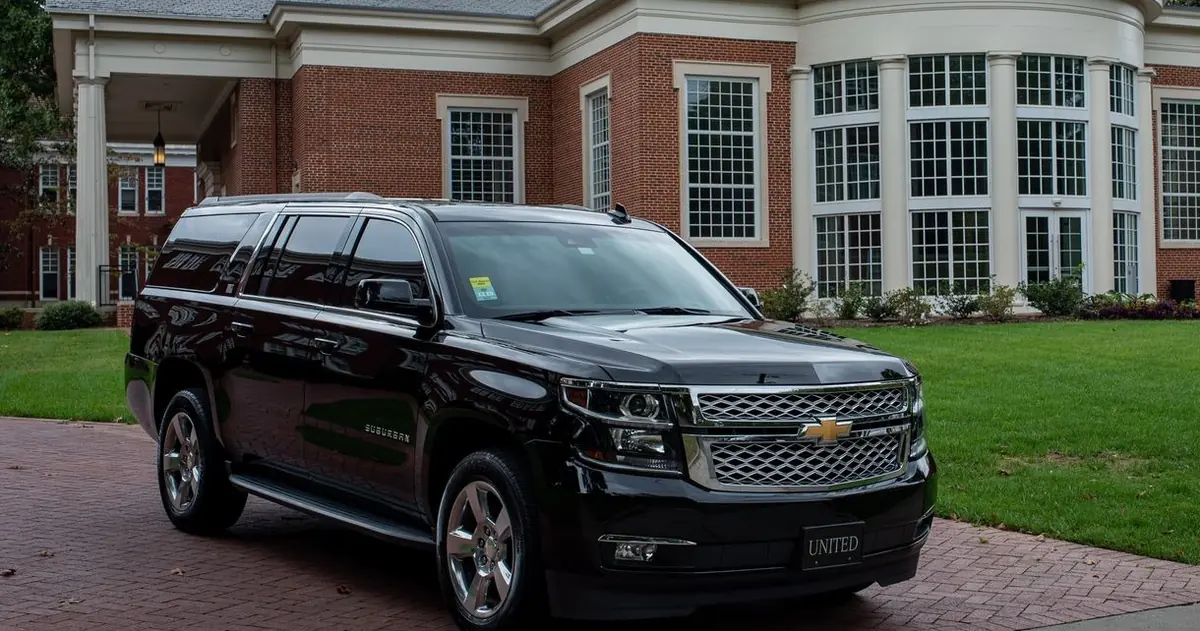 Up to 6
A fast, private ride for couples, small families, or business travelers — plenty of luggage room and a smooth, quiet cabin.
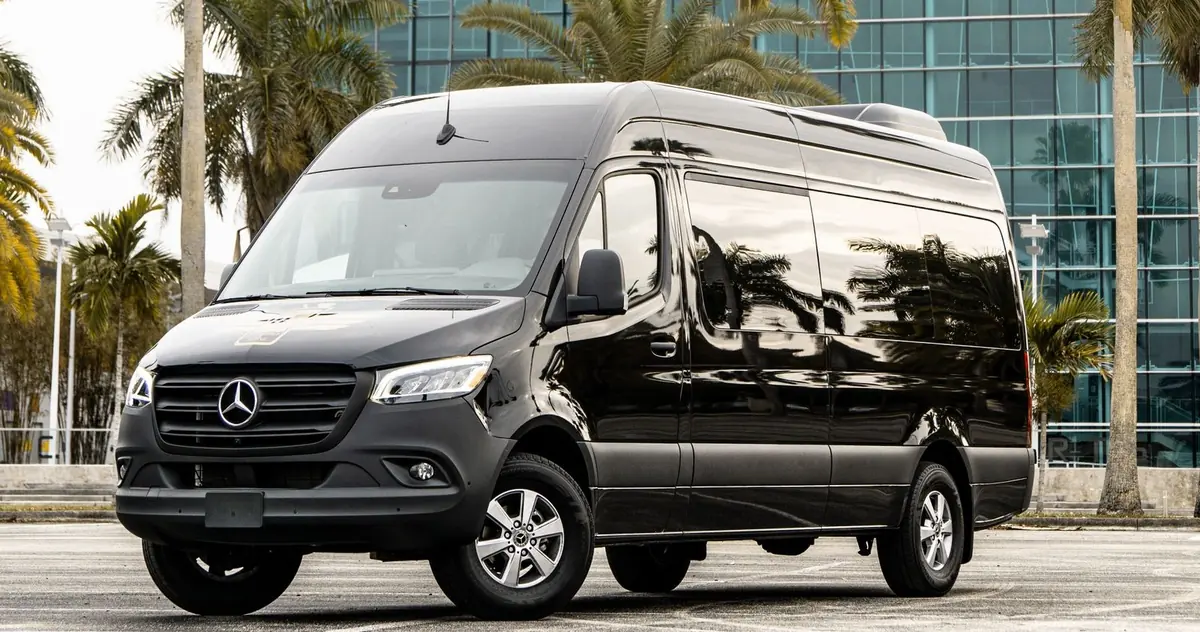 Up to 14
Comfortable, air-conditioned seating for small and mid-size groups — our most popular option for families and friend groups traveling together.
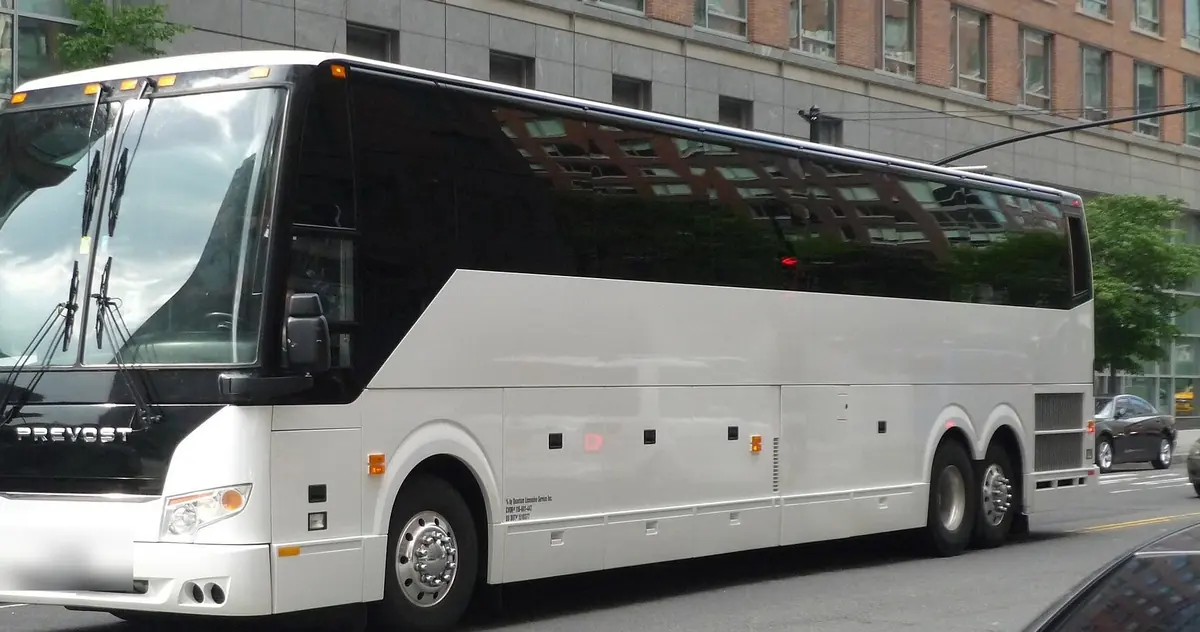 Up to 56
Our largest single vehicle — a full-size luxury motorcoach for large groups, conventions, and corporate events that still want one private tour, one vehicle.
A private and personalized walking tour for your group only through Chinatown, SoHo, and Little Italy — real stops at Lombardi's (popularly credited as America's first pizzeria) and Caffe Roma, a cannoli spot open since 1891. This is a private and personalized experience. Real stops include a pass-by of Soho House NY, Chinatown, Lombardi's (popularly credited as America's first pizzeria, since 1905), SoHo's boutiques, and Caffe Roma (cannoli and gelato, since 1891).
Manhattan's Chinatown traces back to the 1870s, when a small number of Cantonese immigrants — many of whom had first come west for the Gold Rush and the transcontinental railroad before moving east — settled around Mott, Pell, and Doyers Streets near the old Five Points slum. The community grew through one of the harshest periods in US immigration law: the Chinese Exclusion Act of 1882 barred most new Chinese immigration and blocked existing immigrants from citizenship, yet the neighborhood's population still grew from roughly 200 in 1870 to about 2,000 by the time the law passed, building the mutual-aid networks, family associations, and businesses that anchor the neighborhood today.
Little Italy, by contrast, has spent the last 70-plus years getting smaller. At its peak earlier in the 20th century, the neighborhood covered more than 40 square blocks, bounded roughly by Lafayette Street, the Bowery, Kenmare Street, and Worth Street. Postwar suburbanization pulled many Italian-American families out to Brooklyn, Staten Island, and New Jersey, and after US immigration law changed in 1965, a growing Chinatown expanded directly into Little Italy's former southern and eastern blocks. What's commonly shown as “Little Italy” today is really just a few blocks of Mulberry Street north of Canal — real restaurants and cafés, but a small fraction of the neighborhood's original footprint.
SoHo, the third neighborhood on this walk, holds a different kind of history in its architecture rather than its demographics. In the mid-to-late 1800s, cast iron became a cheap, fast way to mass-produce decorative building facades, and SoHo ended up with the largest concentration of cast-iron buildings anywhere in the world — roughly 250 surviving examples across the 26-block SoHo-Cast Iron Historic District, designated a New York City landmark district in 1973 and later named a National Historic Landmark.
Because this is a private, personalized walk rather than a fixed script, your guide can weight the route toward whichever of these three very different real histories interests your group most, while still covering the genuine stops — Lombardi's and Caffe Roma among them — that anchor the tour.
Every Voyzo tour is a starting point — tell us what you have in mind and we'll build it.