
 TorontoOntario · 36 tours
 Niagara FallsOntario · 25 tours
 New York CityNew York · 30 tours
 Las VegasNevada · 8 tours
 San FranciscoCalifornia · 16 tours
 VancouverBritish Columbia · 17 tours
 DubaiUAE · 54 tours
 Abu DhabiUAE · 5 tours
 Buenos AiresArgentina · 23 tours
 AthensGreece · 31 tours
 AucklandNew Zealand · 38 tours
 CancunMexico · 54 tours
No destinations match “”. Try searching all tours instead — that search understands full questions, not just place names.
A private walk across the Brooklyn Bridge into DUMBO.
A private walking tour across the Brooklyn Bridge into DUMBO — the real history and construction stories behind the bridge, then exploring Brooklyn's DUMBO neighborhood on foot.
This is a genuine walking tour across the Brooklyn Bridge into DUMBO, distinct from our Private SUV Tour's drive-by view of the same bridge.
A popular starting point — every Voyzo itinerary is fully customizable, so we'll shape the order and stops around your group.
Meets on the Manhattan side of the Brooklyn Bridge — confirmed at booking.
A real walk across the bridge, with its construction history told along the way.
Exploring Brooklyn's DUMBO district on foot after crossing the bridge.
A fixed price for your private group, up to 8 guests.
This walking tour crosses the bridge on foot rather than driving past it.
Back to your hotel, home, or the airport — whenever your day wraps up.
Every group size is covered — from an intimate private ride to large multi-coach groups.
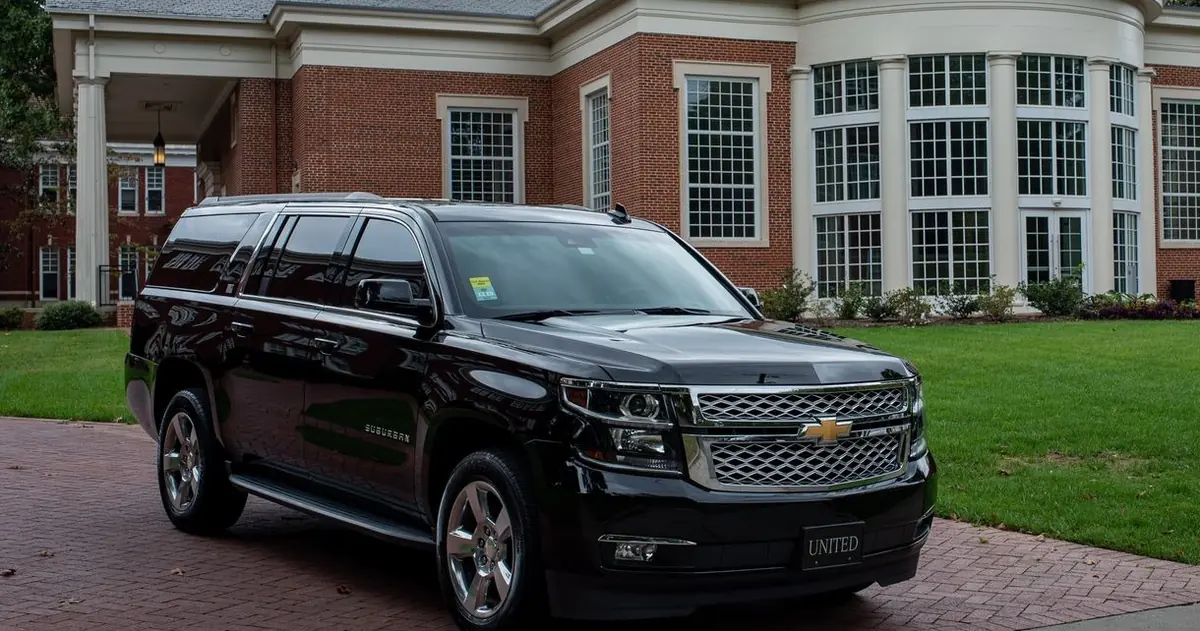 Up to 6
A fast, private ride for couples, small families, or business travelers — plenty of luggage room and a smooth, quiet cabin.
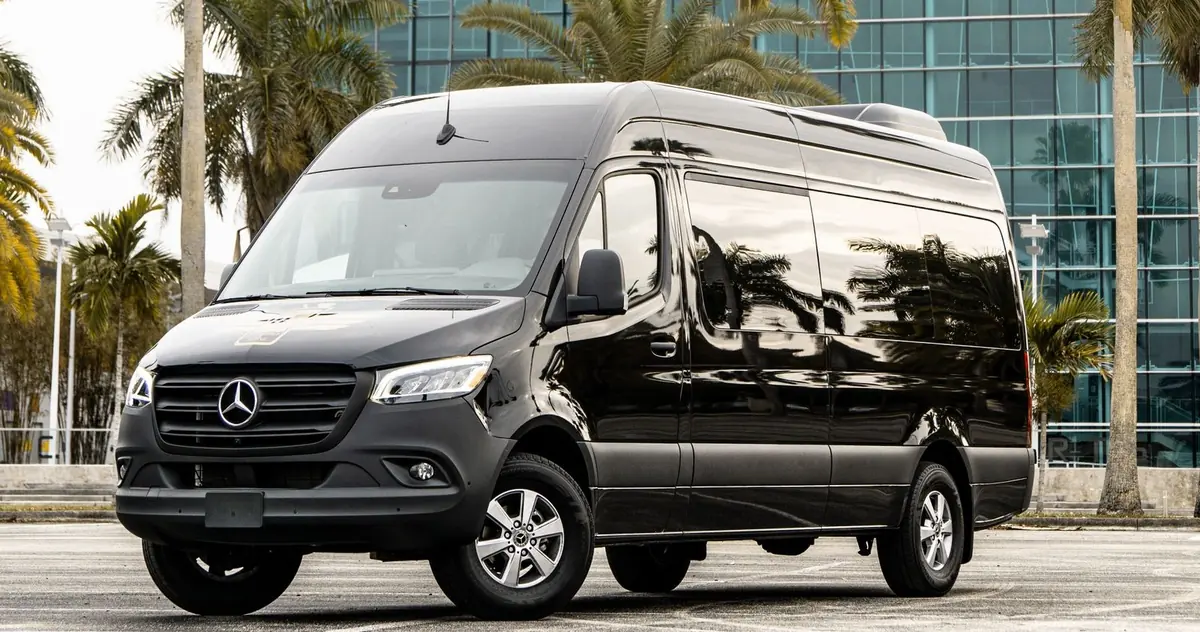 Up to 14
Comfortable, air-conditioned seating for small and mid-size groups — our most popular option for families and friend groups traveling together.
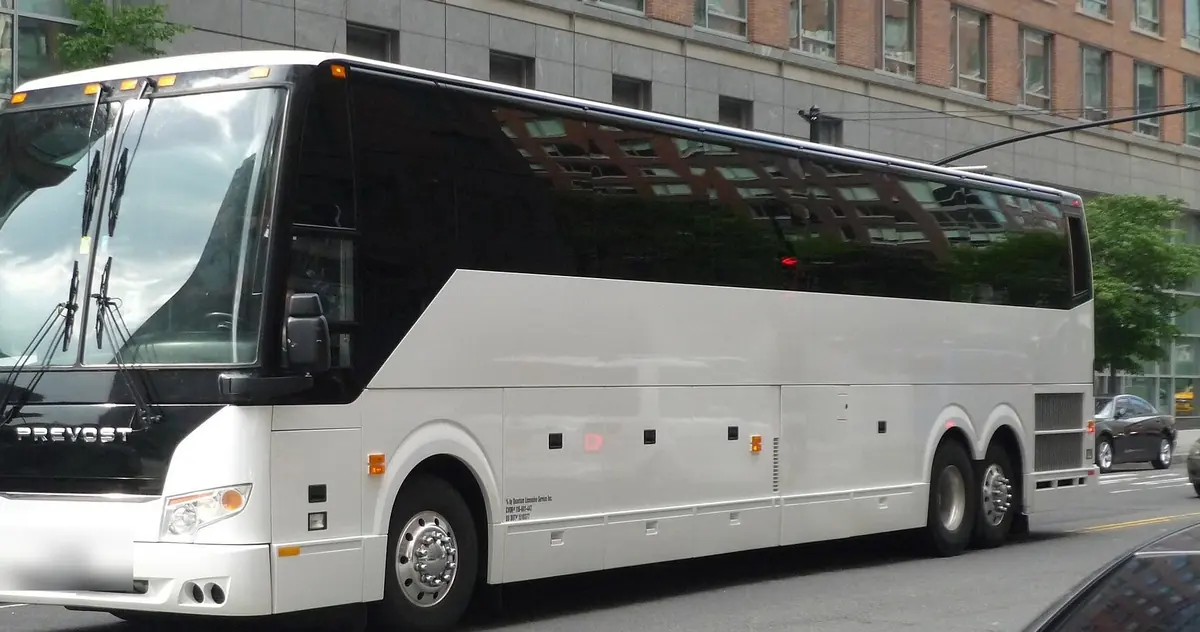 Up to 56
Our largest single vehicle — a full-size luxury motorcoach for large groups, conventions, and corporate events that still want one private tour, one vehicle.
A private walking tour across the Brooklyn Bridge into DUMBO — the real history and construction stories behind the bridge, then exploring Brooklyn's DUMBO neighborhood on foot. This is a genuine walking tour across the Brooklyn Bridge into DUMBO, distinct from our Private SUV Tour's drive-by view of the same bridge.
The Brooklyn Bridge's chief designer, engineer John Roebling, never saw construction begin. In June 1869, while surveying the bridge's planned Brooklyn anchorage, his foot was crushed between a ferry and a piling; he developed tetanus from the injury and died weeks later, just before groundbreaking in January 1870. His son, Washington Roebling, took over as chief engineer and inherited a project that would take 13 more years and push the era's engineering past anything built before it.
Washington's own health became part of the bridge's story. Crews dug the bridge's underwater foundations inside pressurized wooden chambers called caissons, and in 1872, after long hours inside one, Washington surfaced too quickly and developed decompression sickness — what workers at the time called “caisson disease.” It left him partially paralyzed and largely confined to a Brooklyn Heights apartment for the rest of construction. He wasn't alone: more than 100 workers on the project suffered the same illness, several fatally — a real human cost behind the bridge's now-familiar silhouette.
With Washington unable to visit the site, his wife, Emily Warren Roebling, effectively became the bridge's on-site chief engineer for more than a decade. She had no formal engineering background, so she taught herself higher mathematics, cable construction, and the mechanics of catenary curves, then relayed her husband's instructions to the crew and oversaw the daily work herself. When the Brooklyn Bridge finally opened on May 24, 1883, Emily was the first to cross it, riding in a carriage with a rooster on her lap as a traditional symbol of victory, before escorting President Chester Arthur across in the official ceremony.
DUMBO, the Brooklyn neighborhood this walk continues into, has a name with its own real, deliberate history. In 1978, a small group of residents coined “Down Under the Manhattan Bridge Overpass” specifically because it sounded unappealing — an attempt to keep developers and wealthy buyers away from the cheap industrial loft space artists had moved into after the area's 19th- and early-20th-century manufacturing (including Arbuckle Brothers' coffee and sugar plants and Robert Gair's paper-box factories) declined through the 1970s. The plan to deter gentrification famously backfired; DUMBO is now one of the most art-gallery-dense, and expensive, neighborhoods in the city.
Every Voyzo tour is a starting point — tell us what you have in mind and we'll build it.