
 TorontoOntario · 36 tours
 Niagara FallsOntario · 25 tours
 New York CityNew York · 30 tours
 Las VegasNevada · 8 tours
 San FranciscoCalifornia · 16 tours
 VancouverBritish Columbia · 17 tours
 DubaiUAE · 54 tours
 Abu DhabiUAE · 5 tours
 Buenos AiresArgentina · 23 tours
 AthensGreece · 31 tours
 AucklandNew Zealand · 38 tours
 CancunMexico · 54 tours
No destinations match “”. Try searching all tours instead — that search understands full questions, not just place names.
A private walking tour uncovering the real, erased history of Black wealth and culture in pre-Harlem Renaissance New York.
A private walking tour for your group only, led by a Diaspora Docent, uncovering the real history of San Juan Hill — a vanished Black neighborhood erased in the 1950s to build Lincoln Center.
This is a private tour for your group only, led by a Diaspora Docent. Real stops trace the history of San Juan Hill, a real Black neighborhood with genuine pre-Harlem-Renaissance wealth and culture, erased in the 1950s to build Lincoln Center, with a pass-by of Carnegie Hall.
A popular starting point — every Voyzo itinerary is fully customizable, so we'll shape the order and stops around your group.
Meeting point near Lincoln Center, confirmed ahead of your tour.
A genuine, erased Black neighborhood, largely unknown to most visitors.
A guide focused specifically on this real, specific history.
Real Black wealth and culture in New York before Harlem became its center.
Not found on any other private tour of New York City.
Back to your hotel, home, or the airport — whenever your day wraps up.
Every group size is covered — from an intimate private ride to large multi-coach groups.
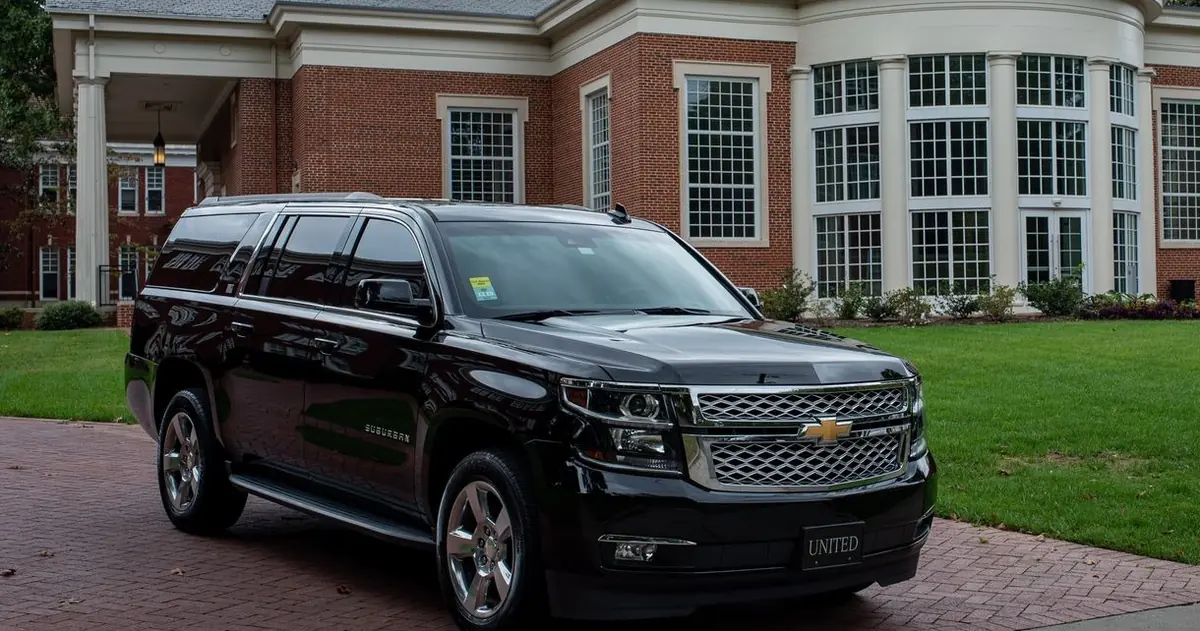 Up to 6
A fast, private ride for couples, small families, or business travelers — plenty of luggage room and a smooth, quiet cabin.
 Up to 14
Comfortable, air-conditioned seating for small and mid-size groups — our most popular option for families and friend groups traveling together.
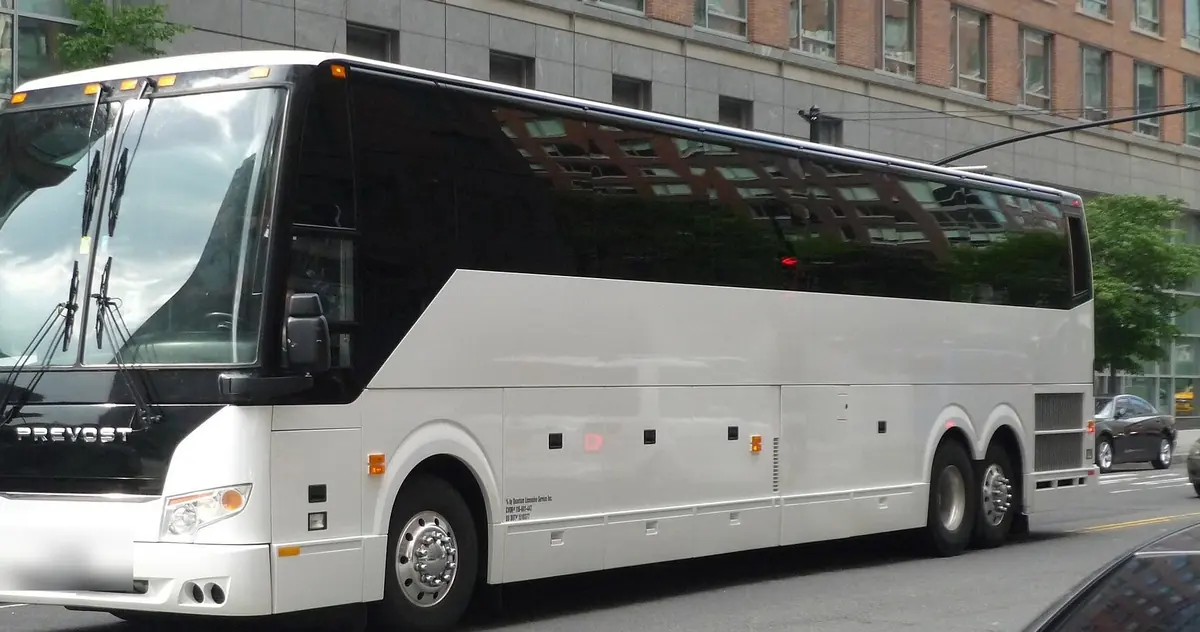 Up to 56
Our largest single vehicle — a full-size luxury motorcoach for large groups, conventions, and corporate events that still want one private tour, one vehicle.
A private walking tour for your group only, led by a Diaspora Docent, uncovering the real history of San Juan Hill — a vanished Black neighborhood erased in the 1950s to build Lincoln Center. This is a private tour for your group only, led by a Diaspora Docent. Real stops trace the history of San Juan Hill, a real Black neighborhood with genuine pre-Harlem-Renaissance wealth and culture, erased in the 1950s to build Lincoln Center, with a pass-by of Carnegie Hall.
Before Harlem became the undisputed center of Black culture in New York, that role belonged to San Juan Hill — a neighborhood roughly spanning West 59th to 65th Streets between Amsterdam Avenue and the Hudson River, on what is now Manhattan's Upper West Side. In the decades around 1900, it was the city's largest Black neighborhood, home to thousands of African American residents, many of whom had moved there from Greenwich Village before the community gradually shifted further uptown to Harlem through the 1910s and '20s. The neighborhood's name is popularly linked to the Spanish-American War's Battle of San Juan Hill — some accounts tie it to the area's many Black veterans, others to friction with police — though its exact origin isn't fully settled among historians.
Despite crowded, under-resourced housing — by the 1940s, city housing officials had labeled it one of New York's worst slums — San Juan Hill had a genuinely significant jazz and nightlife scene, flourishing years before the Harlem Renaissance became the more widely remembered chapter of early-20th-century Black cultural New York.
That history was erased with remarkable speed. In 1958, the city used eminent domain to clear San Juan Hill under the Lincoln Square Urban Renewal Project, overseen by the powerful, unelected city planner Robert Moses. An 18-block area that had been home to roughly 7,000 residents and several hundred businesses was demolished — total displacement estimates for the broader Lincoln Square project run well into the tens of thousands — to make way for Lincoln Center for the Performing Arts and a Manhattan campus for Fordham University. Unlike most of the era's famous demolitions, San Juan Hill's loss carries almost no physical trace or public memorial on-site today, which is exactly why a guide focused specifically on this history matters.
Every Voyzo tour is a starting point — tell us what you have in mind and we'll build it.