
 TorontoOntario · 36 tours
 Niagara FallsOntario · 25 tours
 New York CityNew York · 30 tours
 Las VegasNevada · 8 tours
 San FranciscoCalifornia · 16 tours
 VancouverBritish Columbia · 17 tours
 DubaiUAE · 54 tours
 Abu DhabiUAE · 5 tours
 Buenos AiresArgentina · 23 tours
 AthensGreece · 31 tours
 AucklandNew Zealand · 38 tours
 CancunMexico · 54 tours
No destinations match “”. Try searching all tours instead — that search understands full questions, not just place names.
A fact-based private SUV tour covering New Orleans' real must-see sites.
A fact-based private SUV tour of New Orleans — the French Quarter, Garden District, City Park, and Metairie Cemetery, a real highlight not covered on any of our other tours.
This tour is explicitly fact-based rather than built around ghost stories — 'we picked this tour primarily because it was private and enclosed' — and includes Metairie Cemetery, a real stop not on any of our other New Orleans tours.
A popular starting point — every Voyzo itinerary is fully customizable, so we'll shape the order and stops around your group.
Hotel pickup anywhere in New Orleans.
One of New Orleans' grandest cemeteries, with real elaborate above-ground tombs — not covered on any of our other tours.
A real stop at one of the oldest buildings in the Mississippi Valley.
Real stops covering more of the city in a single enclosed private vehicle.
Built around real New Orleans history rather than spooky legends.
Back to your hotel, home, or the airport — whenever your day wraps up.
Every group size is covered — from an intimate private ride to large multi-coach groups.
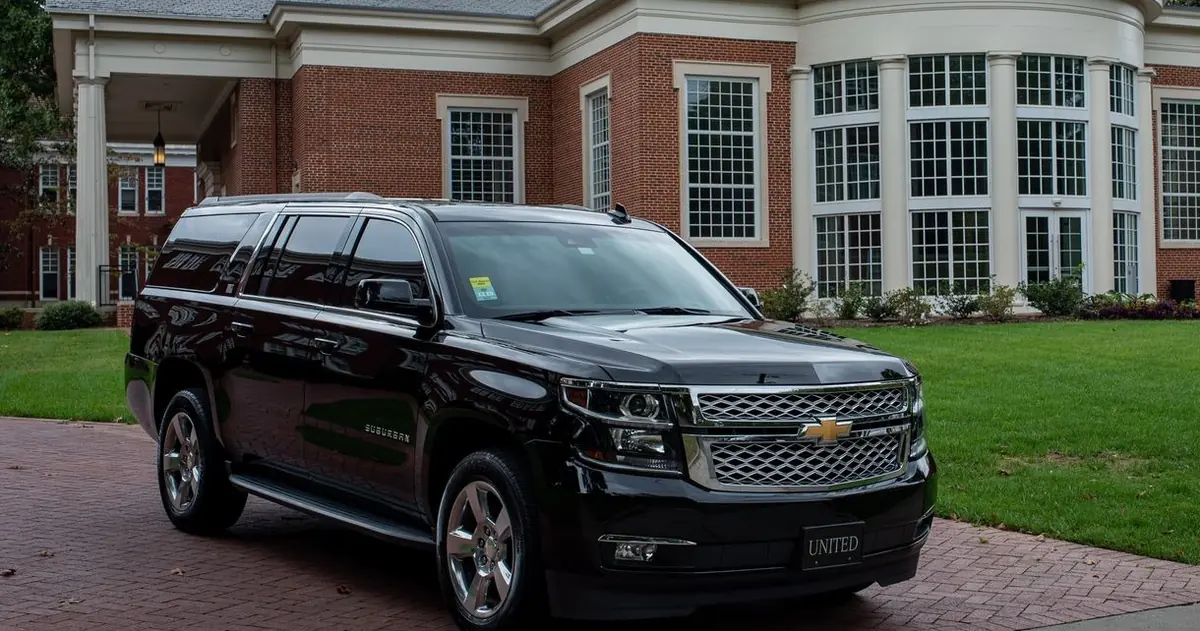 Up to 6
A fast, private ride for couples, small families, or business travelers — plenty of luggage room and a smooth, quiet cabin.
 Up to 14
Comfortable, air-conditioned seating for small and mid-size groups — our most popular option for families and friend groups traveling together.
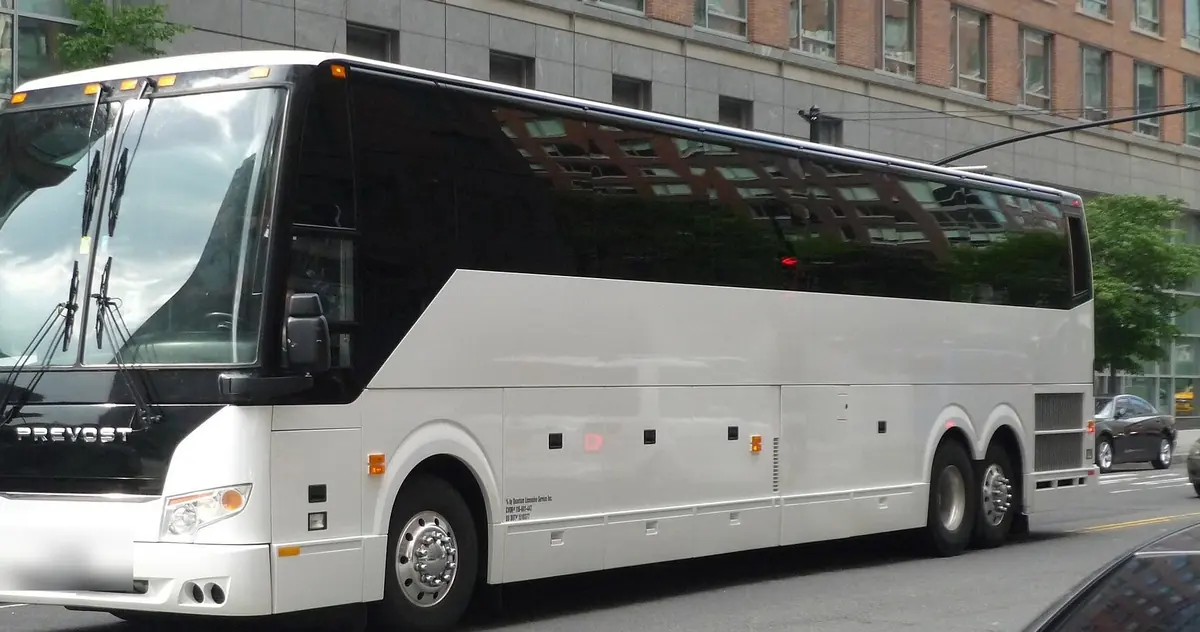 Up to 56
Our largest single vehicle — a full-size luxury motorcoach for large groups, conventions, and corporate events that still want one private tour, one vehicle.
A fact-based private SUV tour of New Orleans — the French Quarter, Garden District, City Park, and Metairie Cemetery, a real highlight not covered on any of our other tours. This tour is explicitly fact-based rather than built around ghost stories — 'we picked this tour primarily because it was private and enclosed' — and includes Metairie Cemetery, a real stop not on any of our other New Orleans tours.
Metairie Cemetery has one of the more pointed origin stories of any cemetery in the South. The site began as a horse racing track on a ridge of naturally high ground, and the Metairie Jockey Club was formally organized there in 1838. According to local history, a wealthy local figure named Charles T. Howard was refused membership in the club — and vowed the track would become a cemetery. The Jockey Club folded after the Civil War, and in 1872 Howard bought the land and made good on it. The cemetery's main road still traces the oval shape of the old racetrack, and its grand above-ground tombs and mausoleums — many built by New Orleans's wealthiest 19th-century families — are part of why it's considered one of the city's most architecturally elaborate burial grounds.
The Old Ursuline Convent, by contrast, is the real deep end of New Orleans history. Built by French colonial engineers between 1748 and 1752, it's recognized as the oldest surviving building in the entire Mississippi Valley, and its hand-forged iron railing is the only original ironwork still standing from French colonial Louisiana. The Ursuline nuns used it as their convent, school, and orphanage until 1824; since then it's served as an archbishop's residence, the Louisiana Legislature's meeting place, and now a museum — a single building that's quietly witnessed nearly the entire span of the city's history.
City Park rounds the tour out with a very different kind of history: natural rather than architectural. At roughly 1,300 acres, it's about 50% larger than New York's Central Park, and it holds the largest collection of mature live oaks anywhere in the world, some of them 750 to 900 years old — meaning a handful of City Park's oaks were already centuries old when Bienville and his brother Iberville first scouted the area in 1718. The park itself wasn't formally established until 1854, built on land willed to the city by John McDonogh, but the oaks it's organized around predate New Orleans by a very long margin.
Every Voyzo tour is a starting point — tell us what you have in mind and we'll build it.