
 TorontoOntario · 36 tours
 Niagara FallsOntario · 25 tours
 New York CityNew York · 30 tours
 Las VegasNevada · 8 tours
 San FranciscoCalifornia · 16 tours
 VancouverBritish Columbia · 17 tours
 DubaiUAE · 54 tours
 Abu DhabiUAE · 5 tours
 Buenos AiresArgentina · 23 tours
 AthensGreece · 31 tours
 AucklandNew Zealand · 38 tours
 CancunMexico · 54 tours
No destinations match “”. Try searching all tours instead — that search understands full questions, not just place names.
Follow Paul Revere's route to the towns where the American Revolution began.
A private half-day trip from Boston to Lexington and Concord — Lexington Green, Buckman Tavern, Battle Road Trail, and the Old North Bridge, where the 'shot heard round the world' was fired.
Lexington and Concord are each about 45 minutes from Boston — this is a half-day trip, so it pairs well with a separate Boston city tour on another day rather than trying to combine everything into one visit.
A popular starting point — every Voyzo itinerary is fully customizable, so we'll shape the order and stops around your group.
Pickup at your Downtown Boston hotel in a private vehicle, or meet your guide at Flour Bakery + Cafe near South Station.
Stand where the first shots of the Revolutionary War were fired on April 19, 1775.
Hear how Sam Adams and John Hancock took refuge here, and how the local militia waited for British forces at the tavern next door.
Follow the route British forces marched, including the site where Paul Revere was captured.
Walk onto the bridge where British troops met unexpectedly fierce resistance from the Minutemen — the 'shot heard round the world.'
Back to your hotel, home, or the airport — whenever your day wraps up.
Every group size is covered — from an intimate private ride to large multi-coach groups.
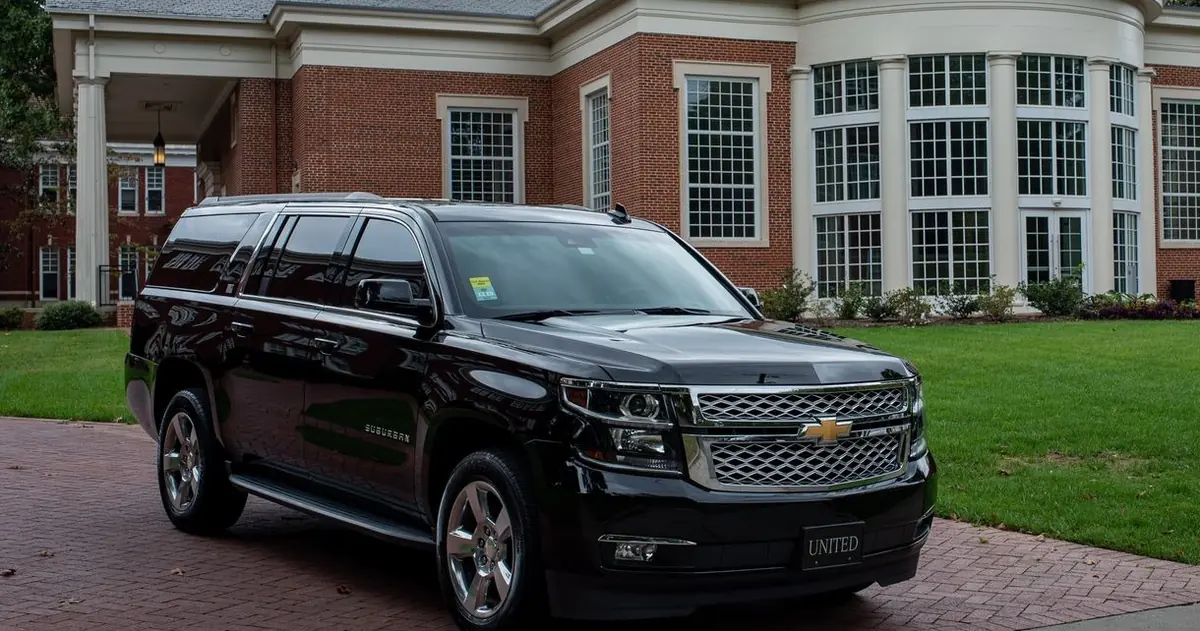 Up to 6
A fast, private ride for couples, small families, or business travelers — plenty of luggage room and a smooth, quiet cabin.
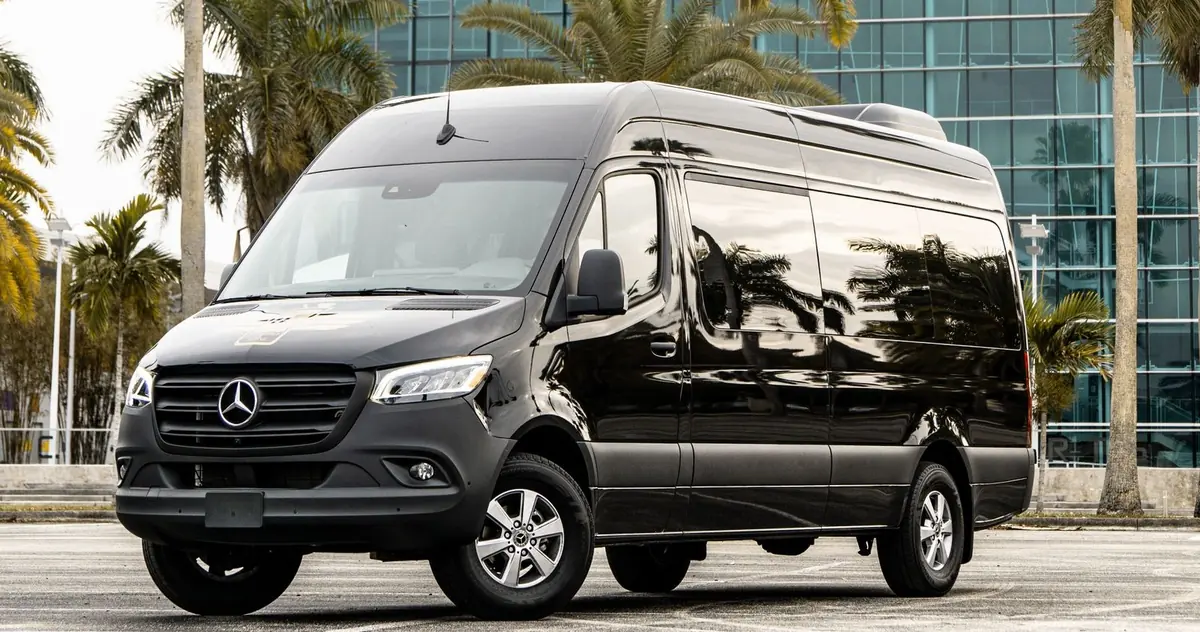 Up to 14
Comfortable, air-conditioned seating for small and mid-size groups — our most popular option for families and friend groups traveling together.
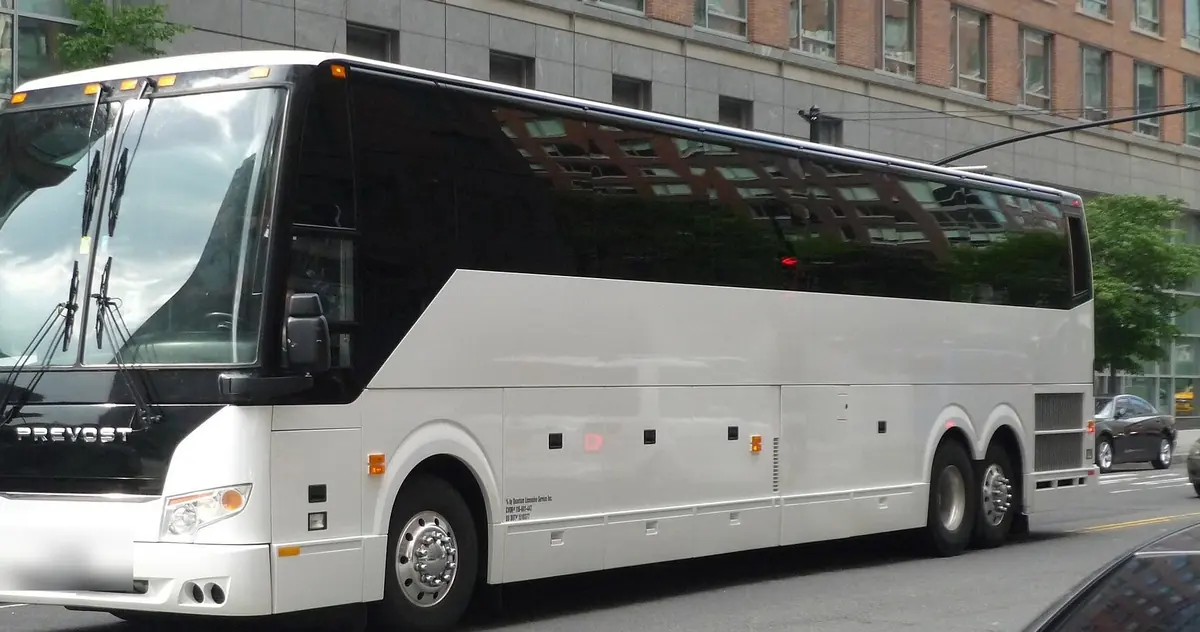 Up to 56
Our largest single vehicle — a full-size luxury motorcoach for large groups, conventions, and corporate events that still want one private tour, one vehicle.
A private half-day trip from Boston to Lexington and Concord — Lexington Green, Buckman Tavern, Battle Road Trail, and the Old North Bridge, where the 'shot heard round the world' was fired. Lexington and Concord are each about 45 minutes from Boston — this is a half-day trip, so it pairs well with a separate Boston city tour on another day rather than trying to combine everything into one visit.
Paul Revere's famous ride on the night of April 18, 1775, looked a little different from the popular legend. He set out from Boston around 10pm and covered roughly 19 miles in about four hours, but he wasn't riding alone or shouting a warning as he went — he was one of two riders. A second messenger, tanner William Dawes, took a separate route out of Boston specifically so the alert would still get through if either man was caught. Revere himself was in fact captured by a British patrol before he could reach Concord, and contrary to the line everyone remembers, he never actually shouted "The British are coming" — most colonists at the time still considered themselves British, so the phrase as we know it would have made little sense to the people he was warning.
At dawn on April 19, roughly 80 colonial militiamen under Captain John Parker assembled on Lexington Green to face several hundred advancing British regulars. A single shot rang out from an unknown source — historians still don't know which side fired it — and a brief, lopsided exchange followed. Eight militiamen were killed, and the British column continued on toward Concord largely unopposed. It was the first bloodshed of the Revolutionary War, but not yet the moment that turned the tide.
That came a few hours later at Concord's Old North Bridge. By this point several hundred militiamen from Concord and the surrounding towns had assembled, now significantly outnumbering the roughly 100 British soldiers guarding the bridge. British regulars fired first — a scattered volley that killed Captain Isaac Davis and wounded a militia fifer — and Major John Buttrick immediately ordered the Patriots to return fire. Their disciplined volley killed two British soldiers and wounded several more, and the Regulars, caught off guard by the intensity of the response, retreated back toward Concord center. It was the first time colonial militia had fired on British troops under organized command and inflicted real losses, and it's generally regarded as the true turning point of the day. The phrase "the shot heard round the world" comes from Ralph Waldo Emerson's 1837 poem "Concord Hymn," written more than sixty years after the battle itself for the dedication of the monument that now stands on this very spot.
The bronze Minute Man statue on the bridge's west bank was created by sculptor Daniel Chester French in 1874, when he was just 24 years old — his first major commission, unveiled the following year for the battle's centennial. It depicts a colonial farmer stepping away from his plow to shoulder a musket, and its base is inscribed with a line straight from Emerson's own "Concord Hymn." French would go on to a long career, most famously sculpting the seated Abraham Lincoln inside the Lincoln Memorial in Washington, D.C., decades later.
Every Voyzo tour is a starting point — tell us what you have in mind and we'll build it.