
 TorontoOntario · 36 tours
 Niagara FallsOntario · 25 tours
 New York CityNew York · 30 tours
 Las VegasNevada · 8 tours
 San FranciscoCalifornia · 16 tours
 VancouverBritish Columbia · 17 tours
 DubaiUAE · 54 tours
 Abu DhabiUAE · 5 tours
 Buenos AiresArgentina · 23 tours
 AthensGreece · 31 tours
 AucklandNew Zealand · 38 tours
 CancunMexico · 54 tours
No destinations match “”. Try searching all tours instead — that search understands full questions, not just place names.
A private walk through Washington DC's Jewish history and memorials.
A private walking tour through Washington DC's Jewish history — the exterior of the US Holocaust Memorial Museum, the WWII Memorial, and the legacy of figures like Einstein.
This tour covers the exterior grounds of the Holocaust Memorial Museum and nearby memorials, distinct from our standard Washington DC tour.
A popular starting point — every Voyzo itinerary is fully customizable, so we'll shape the order and stops around your group.
Meets at the exterior of the US Holocaust Memorial Museum.
The grounds and exterior of this significant national museum.
A stop at this national memorial on the National Mall.
Real stories connecting Albert Einstein to Washington DC.
Your own guide exclusively for your group, not a shared tour.
Back to your hotel, home, or the airport — whenever your day wraps up.
Every group size is covered — from an intimate private ride to large multi-coach groups.
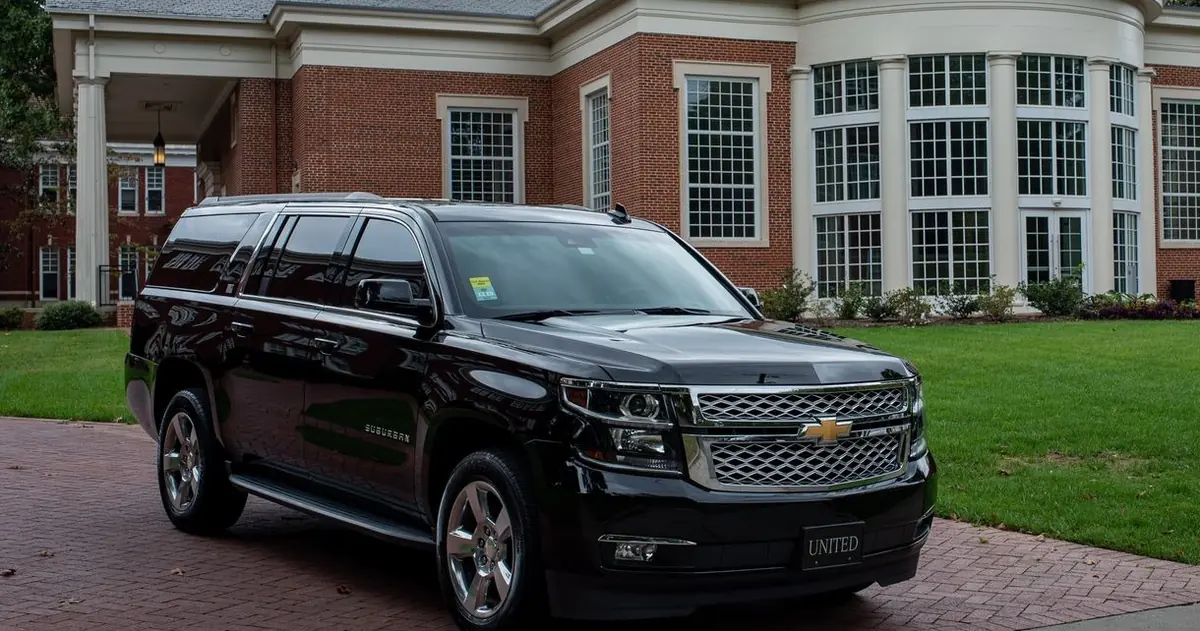 Up to 6
A fast, private ride for couples, small families, or business travelers — plenty of luggage room and a smooth, quiet cabin.
 Up to 14
Comfortable, air-conditioned seating for small and mid-size groups — our most popular option for families and friend groups traveling together.
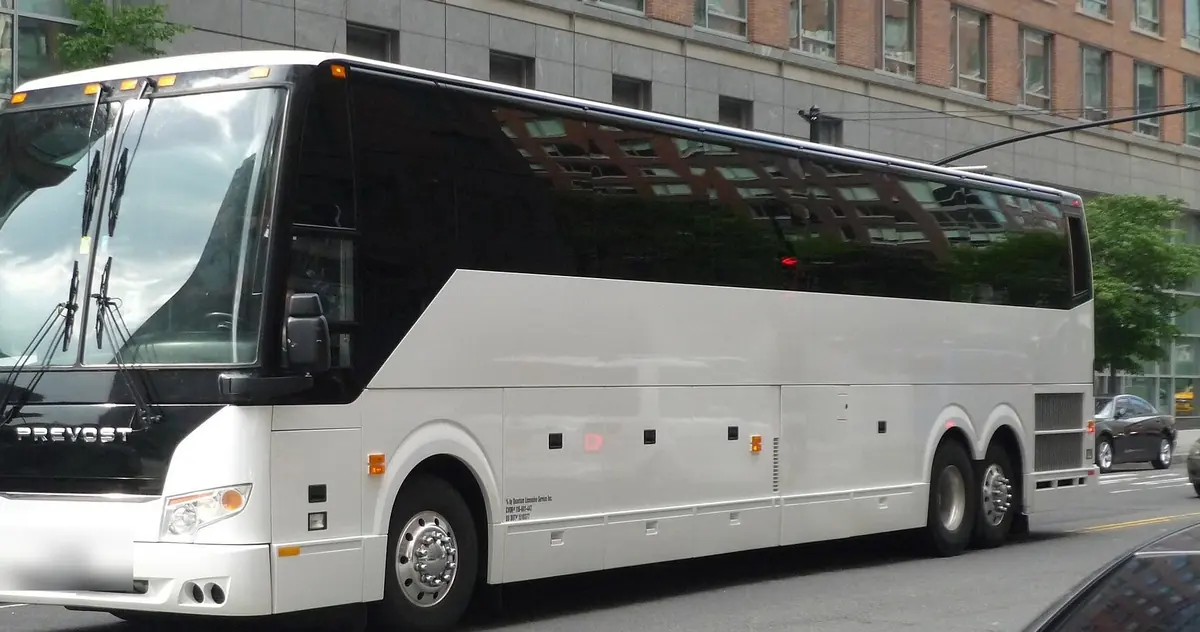 Up to 56
Our largest single vehicle — a full-size luxury motorcoach for large groups, conventions, and corporate events that still want one private tour, one vehicle.
A private walking tour through Washington DC's Jewish history — the exterior of the US Holocaust Memorial Museum, the WWII Memorial, and the legacy of figures like Einstein. This tour covers the exterior grounds of the Holocaust Memorial Museum and nearby memorials, distinct from our standard Washington DC tour.
This walk centers on the United States Holocaust Memorial Museum, whose exterior and grounds your guide uses to tell the real story of how the museum came to exist. The idea traces back to 1978, when President Carter formed a commission chaired by Elie Wiesel, the Nobel laureate and Holocaust survivor, which recommended a "living memorial" combining a museum with education and research. It took fifteen years and $168 million in private donations before the museum opened on April 22, 1993. Architect James Ingo Freed, himself a child refugee from Nazi Germany, designed the building so its architecture would echo the history inside it — four towers on the north side recall camp watchtowers, triangular motifs reference the badges used to mark Jewish prisoners, and the brick-and-limestone exterior was deliberately built to evoke a German factory.
From there the walk continues to the National World War II Memorial on the National Mall, authorized by Congress in 1993 and dedicated, after construction between 2001 and 2004, on May 29, 2004, in a ceremony attended by more than 150,000 people. Fifty-six granite pillars ring the memorial's plaza, one for each state and territory of the wartime era, honoring the more than 400,000 Americans who died in the war — a conflict in which the fate of European Jewry became inseparable from the Allied cause your guide traces through the rest of the walk.
The route also passes the Albert Einstein Memorial, a four-ton bronze by sculptor Robert Berks on the grounds of the National Academy of Sciences — ground Einstein had a real, documented tie to, having been elected a foreign associate of the Academy in 1922. Unveiled in 1979 for the centennial of his birth, the statue sits on a base inlaid with a 2,700-point stainless-steel star map of the sky on the day it was dedicated. Einstein rarely visited Washington himself, but one of the most consequential documents in the city's history bears his name: his 1939 letter warning President Roosevelt that Nazi Germany might be pursuing an atomic bomb, hand-delivered to the White House that October, which set in motion the research that became the Manhattan Project.
Every Voyzo tour is a starting point — tell us what you have in mind and we'll build it.