
 TorontoOntario · 36 tours
 Niagara FallsOntario · 25 tours
 New York CityNew York · 30 tours
 Las VegasNevada · 8 tours
 San FranciscoCalifornia · 16 tours
 VancouverBritish Columbia · 17 tours
 DubaiUAE · 54 tours
 Abu DhabiUAE · 5 tours
 Buenos AiresArgentina · 23 tours
 AthensGreece · 31 tours
 AucklandNew Zealand · 38 tours
 CancunMexico · 54 tours
No destinations match “”. Try searching all tours instead — that search understands full questions, not just place names.
A private Plymouth day trip with the Mayflower II and Plimoth Patuxet Museums.
A private Plymouth day trip with three real admissions included — the Mayflower II replica ship, Plimoth Grist Mill, and the Plimoth Patuxet Museums — alongside Plymouth Rock and the National Monument to the Forefathers.
This tour includes real admission to the Mayflower II, Plimoth Grist Mill, and Plimoth Patuxet Museums — a deeper Plymouth day than our South Shore route, which doesn't include these museum visits.
A popular starting point — every Voyzo itinerary is fully customizable, so we'll shape the order and stops around your group.
Meet at 44 Snow Hill St, Boston (a small park above the dog park); door-to-door pickup also available.
A real working replica of the ship that carried the Pilgrims, with admission included.
Living-history museum with admission included, exploring 17th-century Plymouth life.
A stop at the traditional landing site, alongside the Massasoit Statue.
One of the largest solid granite monuments in the country.
Back to your hotel, home, or the airport — whenever your day wraps up.
Every group size is covered — from an intimate private ride to large multi-coach groups.
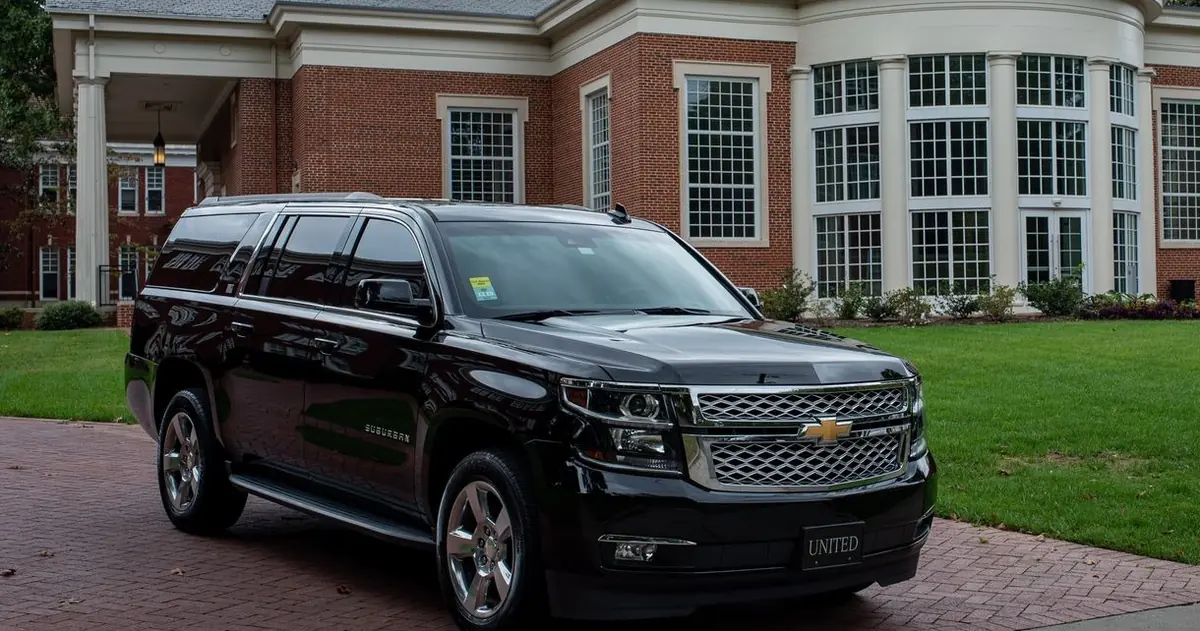 Up to 6
A fast, private ride for couples, small families, or business travelers — plenty of luggage room and a smooth, quiet cabin.
 Up to 14
Comfortable, air-conditioned seating for small and mid-size groups — our most popular option for families and friend groups traveling together.
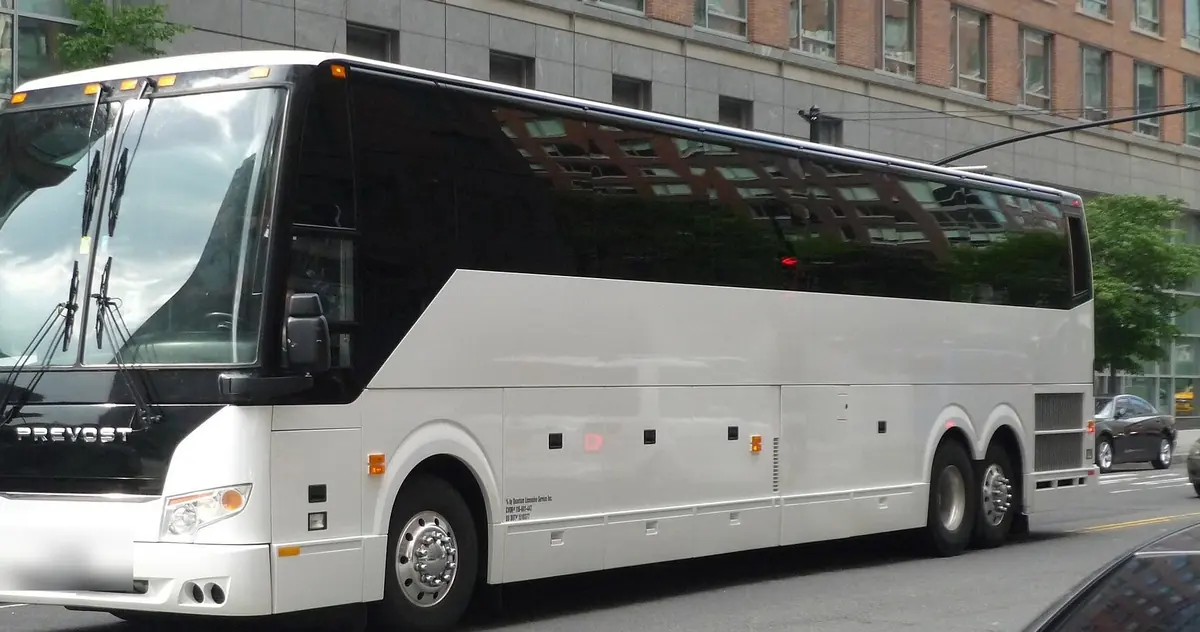 Up to 56
Our largest single vehicle — a full-size luxury motorcoach for large groups, conventions, and corporate events that still want one private tour, one vehicle.
A private Plymouth day trip with three real admissions included — the Mayflower II replica ship, Plimoth Grist Mill, and the Plimoth Patuxet Museums — alongside Plymouth Rock and the National Monument to the Forefathers. This tour includes real admission to the Mayflower II, Plimoth Grist Mill, and Plimoth Patuxet Museums — a deeper Plymouth day than our South Shore route, which doesn't include these museum visits.
The Mayflower II is a real, fully seaworthy wooden ship, not a static replica — it was built between 1955 and 1956 at the Upham Shipyard in Brixham, Devon, England, by English shipbuilders using traditional 17th-century construction methods and research drawn from the American museum's own reconstructed ship plans. The project was conceived partly as a postwar gesture of goodwill between Britain and the United States, and once finished, the ship made the crossing under its own sail, arriving in Plymouth Harbor on June 13, 1957, to a large public welcome. It's been part of Plymouth's working waterfront ever since, and in 2020 it was formally added to the National Register of Historic Places.
Plimoth Patuxet Museums, which operates the Mayflower II alongside its re-created 17th-century village, was founded in 1947 by Henry Hornblower II — a Boston native who had grown up spending summers in Plymouth and became genuinely fascinated by its archaeology. For decades the institution was known as "Plimoth Plantation," but it was formally renamed "Plimoth Patuxet" in 2020, as part of programming marking the 400th anniversary of the Mayflower's arrival. "Patuxet" is the Wampanoag name for the village that stood on this exact land long before any English colonist arrived, and the rename was a deliberate choice to put that older history back into the site's own name. On a visit, the English Village and the separate Wampanoag Homesite are run quite differently: costumed interpreters in the English Village stay in character as 1620s-era colonists, while at the Wampanoag Homesite, Native historians speak in their own modern voices about Wampanoag history and culture rather than performing a historical role.
The Massasoit Statue on Cole's Hill, overlooking Plymouth Harbor, honors a real historical figure the English colonists called "Massasoit" — a word that roughly translates to "great leader" — though his actual name was Ousamequin. As sachem of the Wampanoag, Ousamequin made the political decision to ally with the struggling English settlers rather than let them perish, a choice that shaped the colony's survival far more than popular Thanksgiving imagery usually credits. The bronze statue itself was sculpted by Cyrus Dallin and installed in 1921 for the 300th anniversary of the Pilgrims' landing; Dallin modeled the figure's face on Thomas McKeller, a model who also sat for the painter John Singer Sargent.
The National Monument to the Forefathers, a short drive from the harbor, is the largest freestanding solid granite monument anywhere in the United States — 81 feet tall and weighing some 180 tons. It had a genuinely long construction history: the design was first proposed around 1854 by Boston architect Hammatt Billings, who at one point imagined a structure rivaling the scale of the ancient Colossus of Rhodes, the cornerstone was laid in 1859, and the monument wasn't formally completed and dedicated until 1889 — a thirty-year span from idea to ribbon-cutting. Its central 36-foot figure, titled "Faith," is a Victorian-era attempt to capture the values — morality, law, education, and liberty among them — that the monument's builders believed had motivated the original Pilgrims.
Every Voyzo tour is a starting point — tell us what you have in mind and we'll build it.