
 TorontoOntario · 36 tours
 Niagara FallsOntario · 25 tours
 New York CityNew York · 30 tours
 Las VegasNevada · 8 tours
 San FranciscoCalifornia · 16 tours
 VancouverBritish Columbia · 17 tours
 DubaiUAE · 54 tours
 Abu DhabiUAE · 5 tours
 Buenos AiresArgentina · 23 tours
 AthensGreece · 31 tours
 AucklandNew Zealand · 38 tours
 CancunMexico · 54 tours
No destinations match “”. Try searching all tours instead — that search understands full questions, not just place names.
A private evening walk through Boston's dark true-crime history.
A private evening walking tour through Boston's true-crime history — the Seaport District, the North End, the West End, and Faneuil Hall Marketplace, with the real stories behind each stop.
This is a walking tour with a private guide, not a vehicle tour — it starts and ends at fixed downtown points, timed for the evening.
A popular starting point — every Voyzo itinerary is fully customizable, so we'll shape the order and stops around your group.
Meets at 408 Atlantic Ave (between James Hook Lobster Co. and the Coast Guard building). Ends at 41 Union St.
The tour's starting point, with its own history woven in.
A walk through Boston's historic Italian neighborhood and its darker stories.
A stop in this historic Boston neighborhood.
The tour finishes at one of Boston's most iconic public spaces.
Back to your hotel, home, or the airport — whenever your day wraps up.
Every group size is covered — from an intimate private ride to large multi-coach groups.
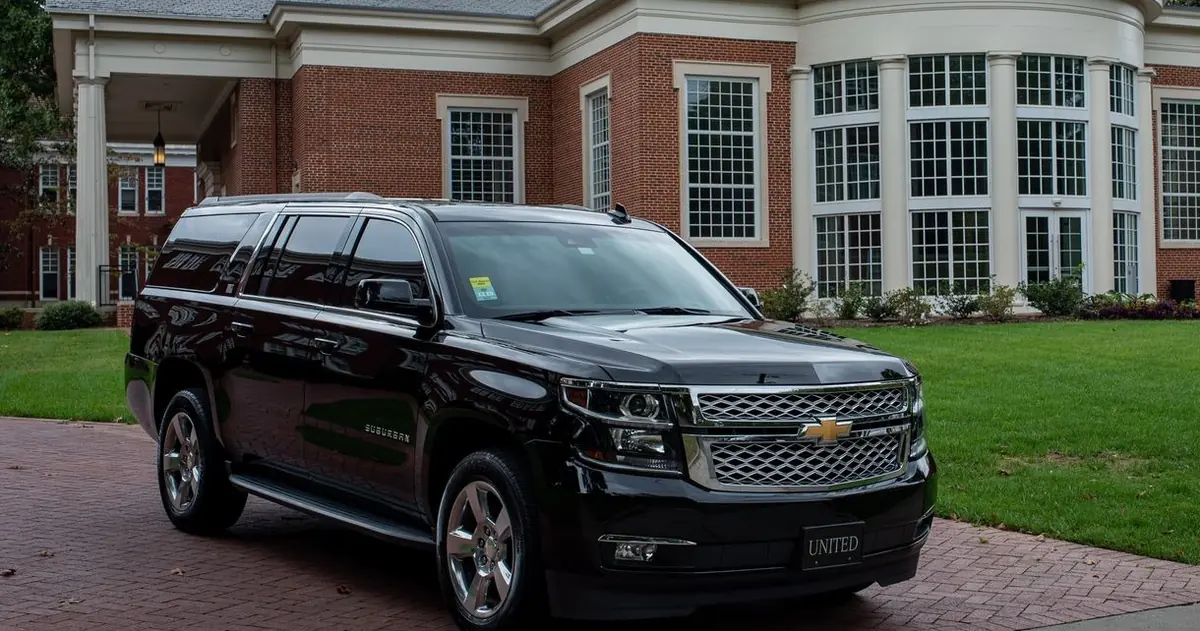 Up to 6
A fast, private ride for couples, small families, or business travelers — plenty of luggage room and a smooth, quiet cabin.
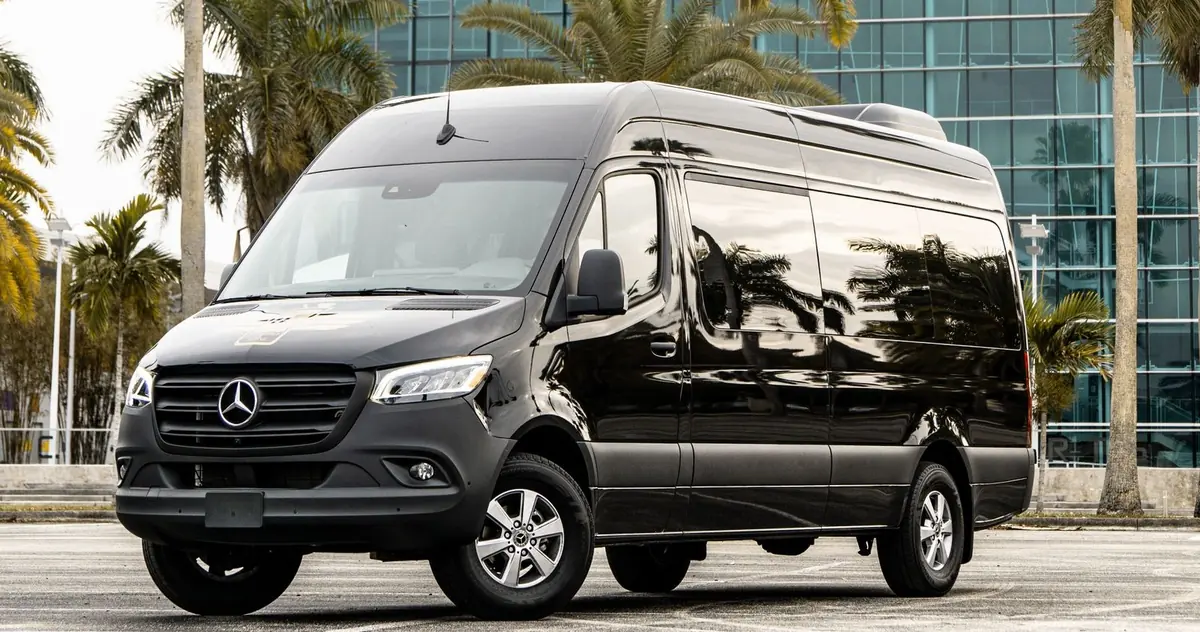 Up to 14
Comfortable, air-conditioned seating for small and mid-size groups — our most popular option for families and friend groups traveling together.
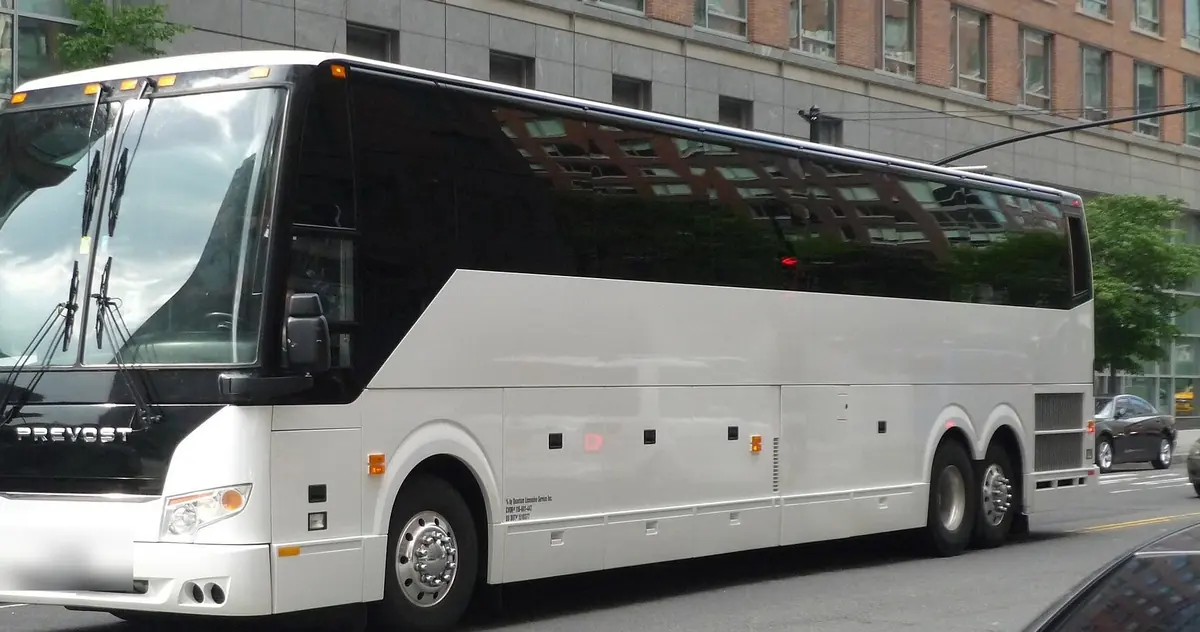 Up to 56
Our largest single vehicle — a full-size luxury motorcoach for large groups, conventions, and corporate events that still want one private tour, one vehicle.
A private evening walking tour through Boston's true-crime history — the Seaport District, the North End, the West End, and Faneuil Hall Marketplace, with the real stories behind each stop. This is a walking tour with a private guide, not a vehicle tour — it starts and ends at fixed downtown points, timed for the evening.
The North End was the setting for what's still remembered as "the crime of the century": the Great Brink's Robbery of January 17, 1950. A gang that had spent nearly two years surveilling the Brink's armored-car depot — stealing and returning the building's alarm plans, duplicating keys, even watching staff routines for eighteen months — walked in wearing Brink's-style coats, chauffeur's caps, and Halloween masks, and in just thirty-five minutes cleared out roughly $2.775 million in cash, checks, and securities. The robbery went unsolved for nearly six years, until one estranged gang member testified against the others days before the statute of limitations would have run out.
The North End's criminal history didn't end there. From the 1960s through the mid-1980s, the neighborhood's Prince Street was headquarters to the Angiulo brothers, who ran the New England Mafia's Boston rackets out of a storefront called "the Dog House" at 98 Prince Street. Underboss Gennaro Angiulo answered to Providence-based crime boss Raymond Patriarca, and it was an FBI wiretap planted in that same building and a nearby social club in 1981 — recording three months of conversations about rackets and enforcement — that ultimately brought the Patriarca family's Boston operation down.
The West End tells a different, more institutional kind of story. Beginning in 1951, the city targeted this densely packed immigrant neighborhood for "urban renewal," officially labeling it detrimental to public health and safety; by 1958, the city had stopped collecting West End garbage altogether, and demolition crews razed 48 acres, displacing some 12,000 residents. Next door, the raucous Scollay Square entertainment district — burlesque houses, bars, and con artists working sailors on leave — met a similar fate around the same time, swept away for what's now Government Center. It's a genuinely different register of "crime" than a heist or a mob headquarters, but it's real Boston history that shaped the neighborhood this walk passes through.
Faneuil Hall itself carries a complicated legacy worth stating plainly. Merchant Peter Faneuil, who funded the hall's construction in the 1740s, built much of his fortune on the transatlantic slave trade, and the building is believed to have hosted some of Boston's early slave auctions. The same hall later became a meeting place for abolitionists in the 1780s and beyond, which is part of why Boston today maintains a public exhibit inside Faneuil Hall addressing this history directly rather than glossing over it.
Every Voyzo tour is a starting point — tell us what you have in mind and we'll build it.