TorontoOntario · 36 tours
 Niagara FallsOntario · 25 tours
 New York CityNew York · 30 tours
 Las VegasNevada · 8 tours
 San FranciscoCalifornia · 16 tours
 VancouverBritish Columbia · 17 tours
 DubaiUAE · 54 tours
 Abu DhabiUAE · 5 tours
 Buenos AiresArgentina · 23 tours
 AthensGreece · 31 tours
 AucklandNew Zealand · 38 tours
 CancunMexico · 54 tours
No destinations match “”. Try searching all tours instead — that search understands full questions, not just place names.
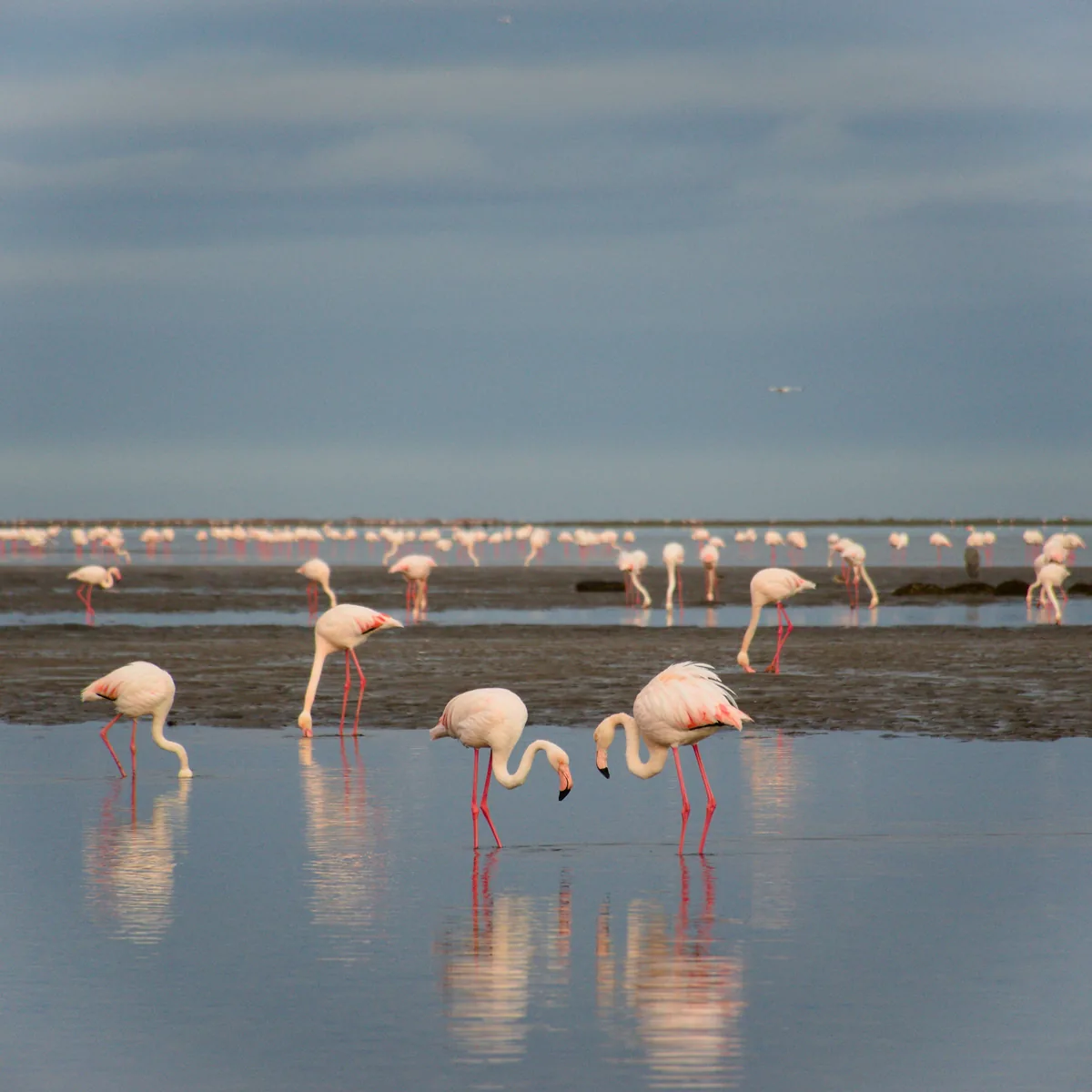
A protected coastal wetland near Swakopmund known for large flocks of flamingos and boat trips to spot dolphins and Cape fur seals.
 Multi-Day Tours
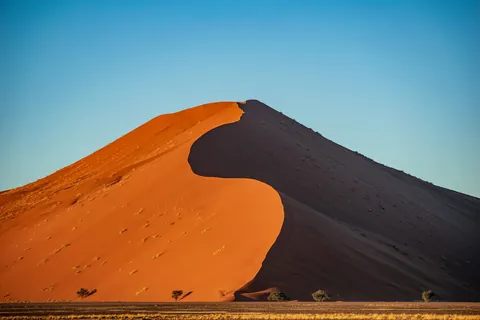
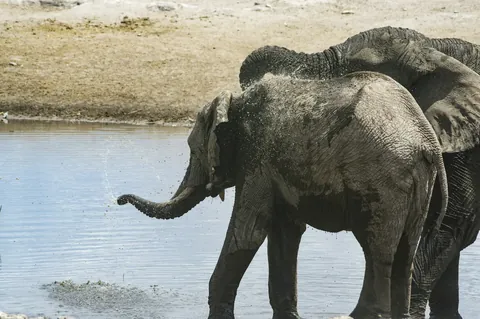
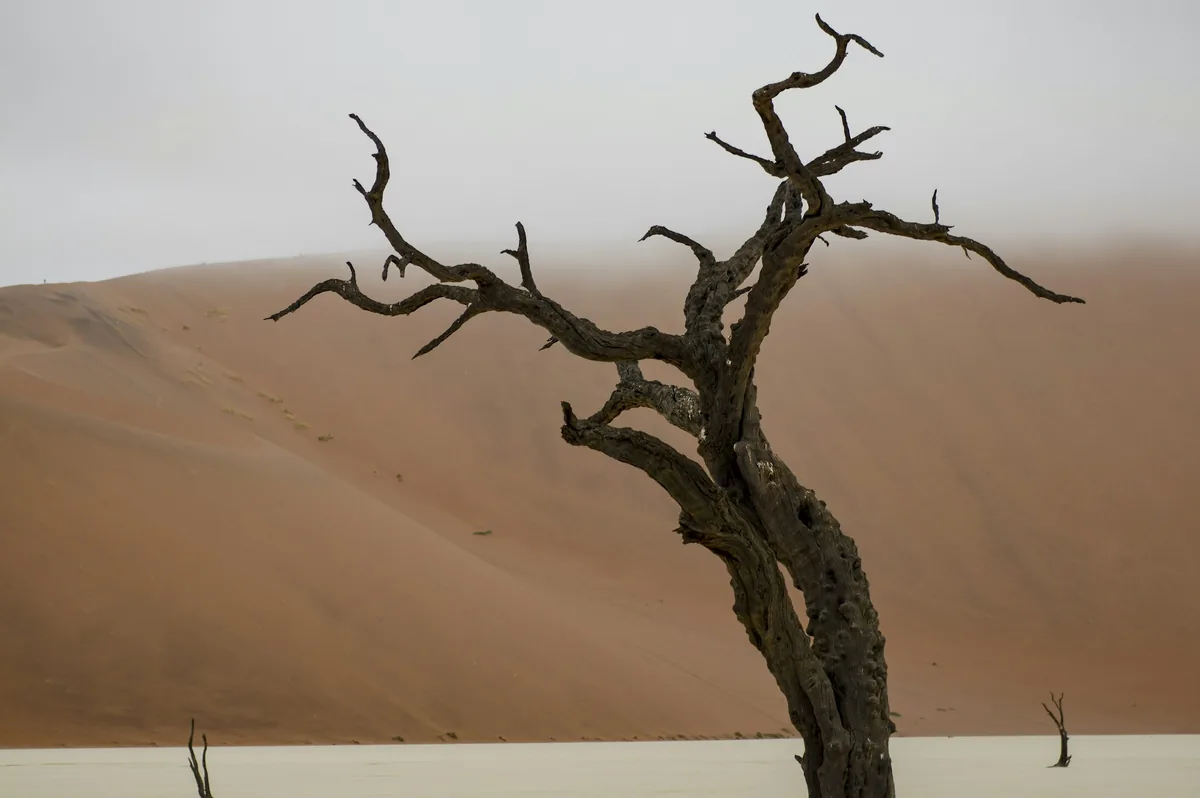
A 14-day private family circuit from Windhoek through the Kalahari and the red dunes of Sossusvlei to Swakopmund, the Himba villages of Kaokoland, and the game drives of Etosha National Park.
 Multi-Day Tours
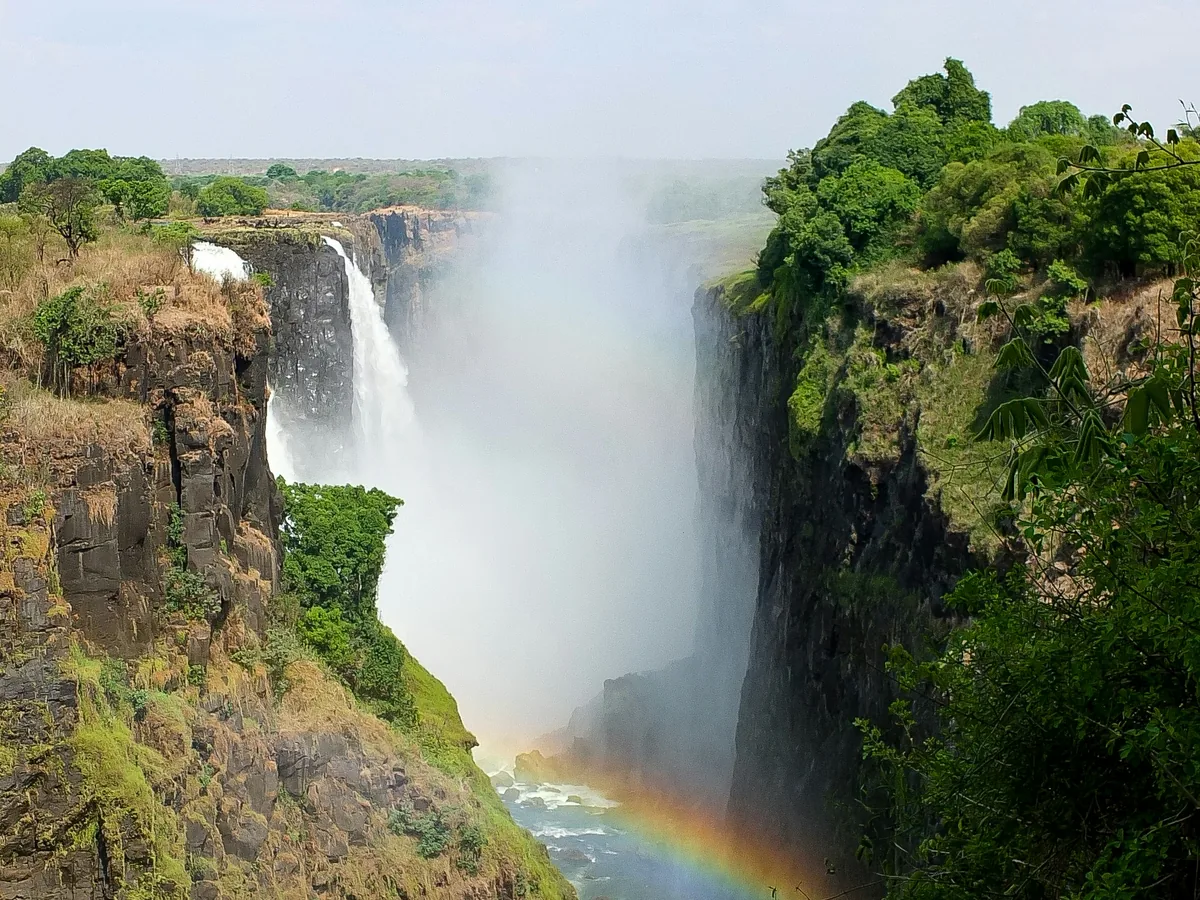
A 20-day private odyssey across Namibia — Sossusvlei, Swakopmund, the Erongo Mountains, and Etosha — continuing overland to Botswana's Chobe National Park with a day trip to Victoria Falls.
Visitor guide
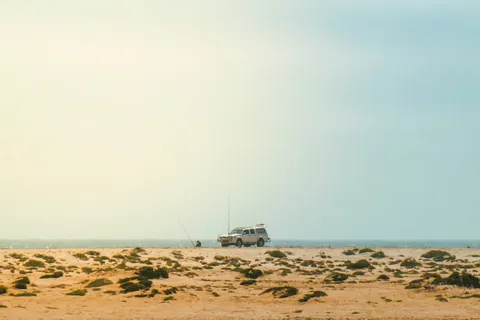
Walvis Bay Lagoon is a coastal wetland on Namibia's Atlantic shore, beside the port city of Walvis Bay and not far from Swakopmund. Its shallow waters, mudflats and sandbars form one of the key bird sites of southern Africa and are protected as a Ramsar wetland of international importance.
Walvis Bay sits in the delta of the Kuiseb River just north of the Tropic of Capricorn, and the bay is sheltered by Pelican Point, a sand spit of roughly two kilometres. Wikipedia describes the harbour behind it as the only natural deep-water harbour on Namibia's coast. The cold Benguela Current gives the city a cold desert climate, with average annual precipitation of only about 13 millimetres and humidity above 80 percent year-round.
The wetland was designated a Ramsar site on 23 August 1995 (site 742). The Ramsar Sites Information Service lists the site at 12,600 hectares (the original 1995 information sheet gave a smaller area of 4,000 hectares) and describes a tidal lagoon with adjacent intertidal areas, Pelican Point, mudflats exposed at low tide and sandbars used as roosting sites. Other descriptions of the site also include the occasionally flooded Kuiseb delta and the artificially flooded evaporation pans of the local salt works.
The Ramsar sheet notes that flamingos occur in impressive numbers, and it estimated 37,000 to 79,000 wetland birds, with eleven red-data (threatened) species regularly observed, though its data date from 1995. A study by Wearne and Underhill, reported in the Wader Study Group Bulletin, found that between 1997 and 2005 the Walvis Bay wetland complex supported on average about 156,000 waterbirds in summer and 82,000 in winter, and concluded that it supports the largest numbers of waders of any wetland in southern Africa. Among them, curlew sandpiper, sanderling and little stint had the highest summer counts. Counts differ between sources because of different survey areas, methods and years.
Great white pelicans and lesser flamingos are among the birds listed for the bay by Wikipedia. Bird Island, an artificial island in the area, supports a guano collection industry.
Cape fur seals haul out around the bay and at Pelican Point, and the Cape fur seal's range runs from Cape Cross in Namibia to around the Cape of Good Hope. The bay's plankton-rich water also attracts southern right whales, according to Wikipedia. Pelican Point has a lighthouse and a lodge, and a weather station operated on the headland from 1958 to 1984.
The Portuguese navigator Bartolomeu Dias anchored in the bay in December 1487, and the Dutch called it Walvisch Baye, meaning Whale Bay. Britain annexed the area in 1884, and it became an exclave of South Africa. Sovereignty passed to Namibia on 1 March 1994. Today the port serves Namibia and its neighbours, and fishing and salt production are major local industries.
The lagoon is typically viewed from the shoreline and from boats on the bay. A private guided visit with a driver suits a half-day circuit that can also take in nearby dunes and the Swakopmund area.
See every tour and attraction we cover in Namibia.