TorontoOntario · 36 tours
 Niagara FallsOntario · 25 tours
 New York CityNew York · 30 tours
 Las VegasNevada · 8 tours
 San FranciscoCalifornia · 16 tours
 VancouverBritish Columbia · 17 tours
 DubaiUAE · 54 tours
 Abu DhabiUAE · 5 tours
 Buenos AiresArgentina · 23 tours
 AthensGreece · 31 tours
 AucklandNew Zealand · 38 tours
 CancunMexico · 54 tours
No destinations match “”. Try searching all tours instead — that search understands full questions, not just place names.
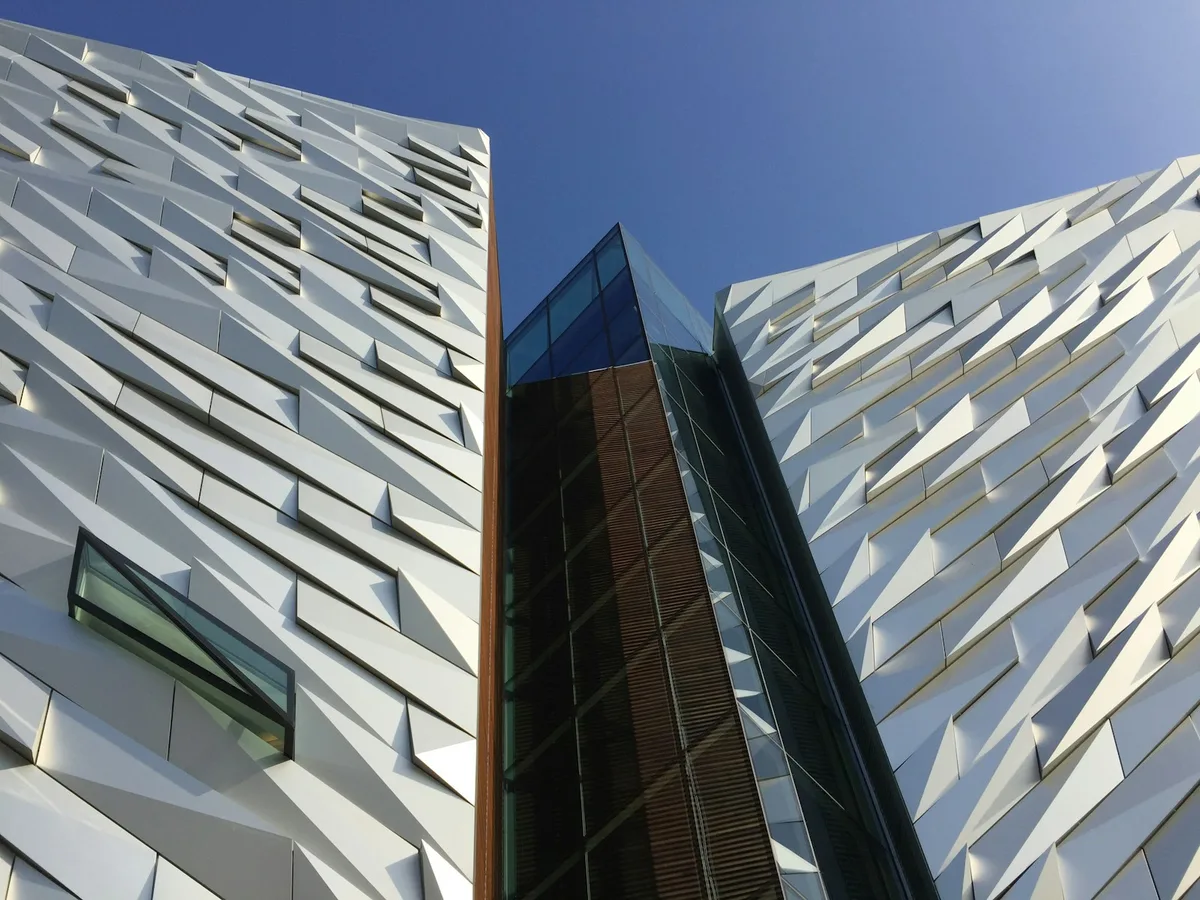
A museum on the site of the former Harland & Wolff shipyard where the Titanic was built and launched in 1911, telling the ship's story from construction to sinking.
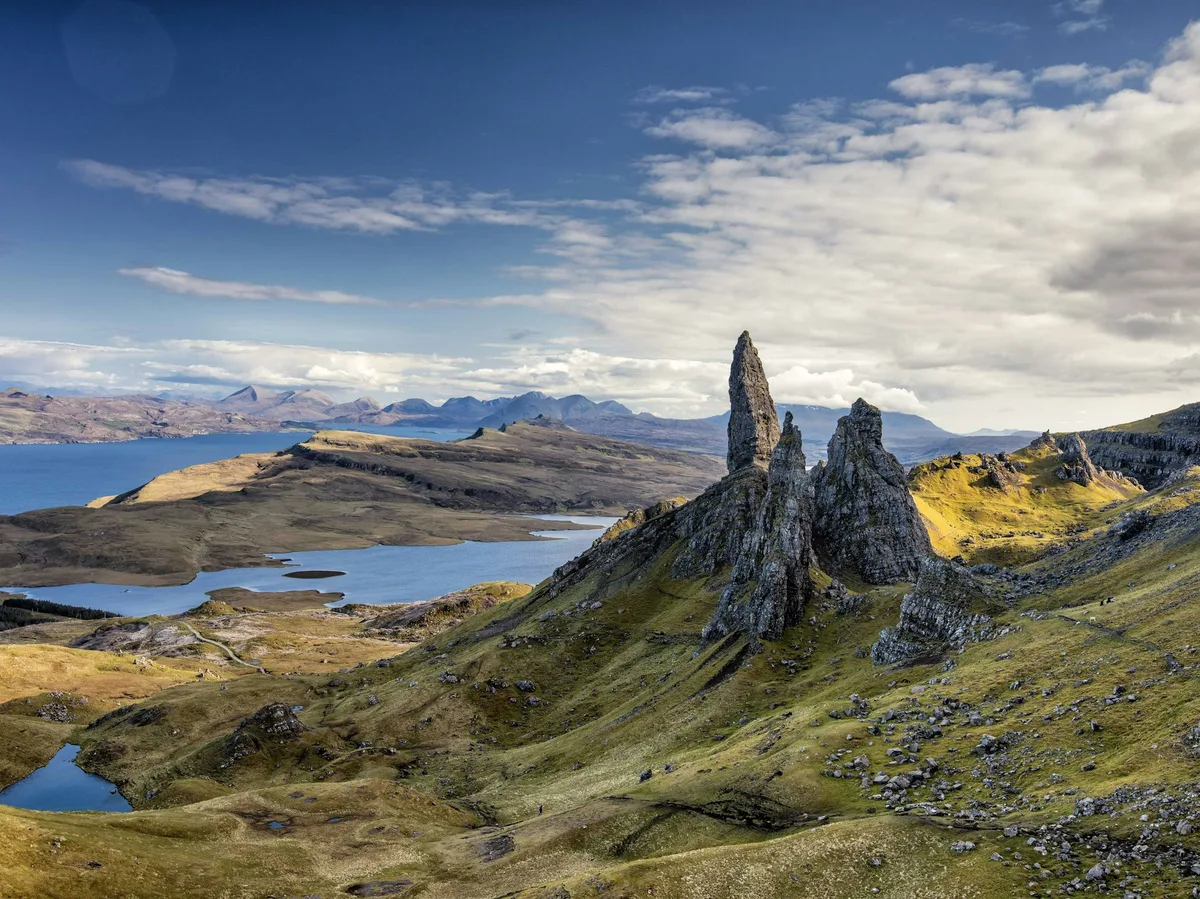 Multi-Day Tours
A 12-day road trip from Edinburgh through the Scottish Highlands and the Isle of Skye, then a short flight to Belfast to tour the Giant's Causeway, Galway's West Coast, and Dublin.
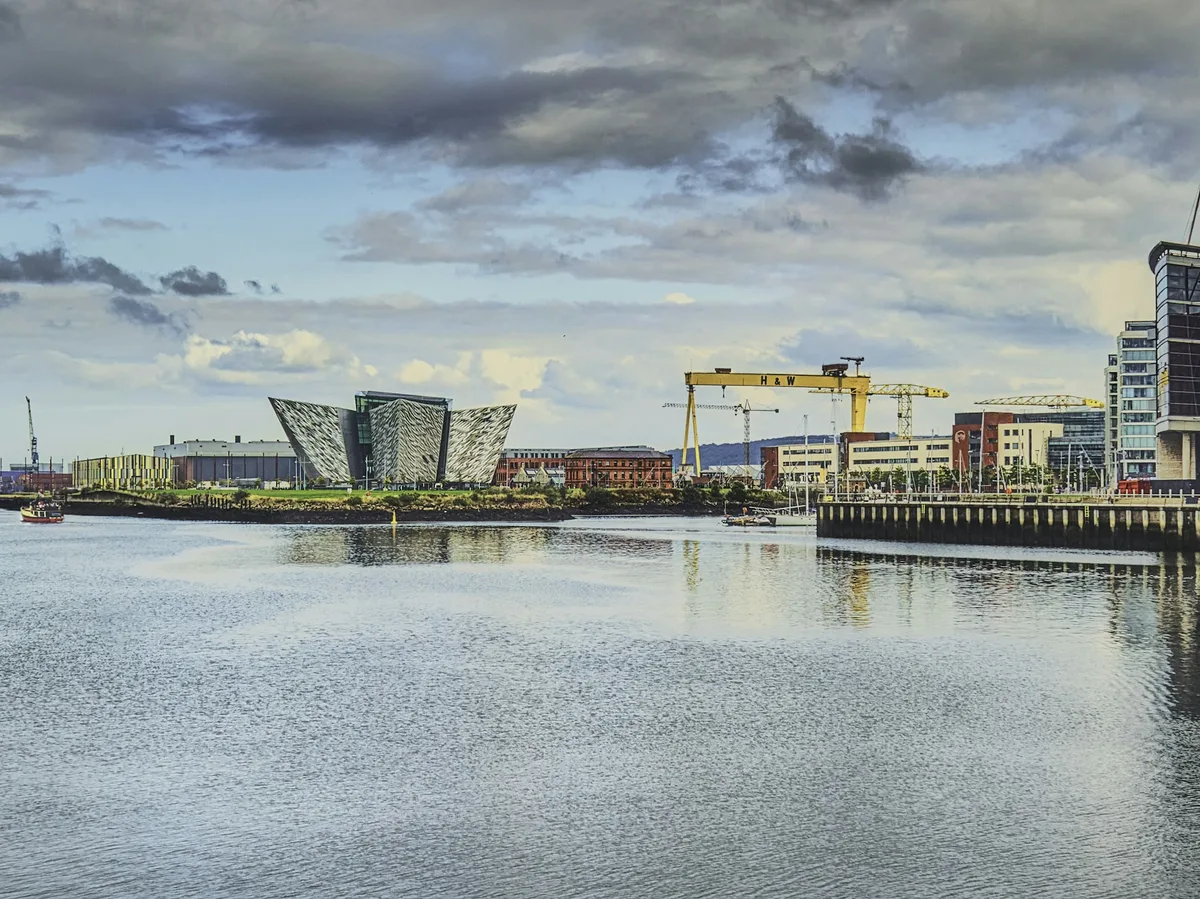 Multi-Day Tours
An 11-day private, driver-guided route from Dublin through Belfast, the Giant's Causeway, Londonderry, Donegal, and Connemara to Galway, before returning to Dublin.
Visitor guide
Titanic Belfast is a visitor attraction in the Titanic Quarter of Belfast, Northern Ireland, built on the former Harland and Wolff shipyard where RMS Titanic was constructed. It opened on 31 March 2012 and tells the story of Titanic, her sister ships and the city's shipbuilding heritage.
Wikipedia describes the building as a monument to Belfast's maritime heritage. It stands on Queen's Island, land reclaimed from Belfast Lough in the mid-19th century, and after shipbuilding declined the derelict area was renamed Titanic Quarter in 2001. Plans for a Titanic museum were announced in 2005, aiming to open for the centenary of the sinking in 2012. Funding was split between the Northern Ireland Executive and private sector partners, with extra support from Belfast City Council, and Harcourt Developments led the project with the architect Eric Kuhne.
The building is about 38 metres tall, matching the height of Titanic's hull, and its facade uses around 3,000 silver anodised aluminium shards. Titanic Belfast's launch release calls it a six-storey building (other accounts count differently), with an inverted steel frame with floors growing larger toward the top, and angular forms that recall ships' prows. Inside, a replica of Titanic's Grand Staircase, made of about 10,000 parts, is a central feature, and outside stands Titanica, a bronze sculpture by Rowan Gillespie dedicated in March 2012.
The exhibition runs through nine galleries. Boomtown Belfast covers the city's early 20th-century industries, The Shipyard presents a scaffold referencing the Arrol Gantry, and The Launch recalls Titanic's launch on 31 May 1911. The Fit-Out follows work through April 1912, The Maiden Voyage recreates a boat deck, and The Sinking features Morse code SOS sounds and a wall of replica lifejackets. The Aftermath, Myths and Legends, and Titanic Beneath, which presents the wreck about 3,700 metres down, complete the story.
Nearby heritage sites include SS Nomadic, described as the last surviving White Star Line ship, Harland and Wolff's former headquarters and drawing offices, the slipways, Hamilton Dock and the listed Samson and Goliath cranes. These sit within a short walk and give context to the museum's story.
Planners originally expected about 425,000 visitors a year and hoped the building would drive regeneration of the area, in the way the Guggenheim Museum did for Bilbao. According to Wikipedia, the first year saw 807,340 visitors, well beyond the projection, and numbers later peaked at 841,563 in 2017 to 2018. Construction began in May 2009, and Wikipedia lists the total cost as 101 million pounds, made up of 77 million for the building and 24 million for enabling works, parking and public spaces, while Titanic Belfast's 2012 launch release gave 97 million pounds. The foundations alone required about 4,200 cubic metres of concrete, delivered by 700 lorries in 24 hours.
The top floor holds the Titanic Suite, a banquet space for 750 people, and the building also contains function rooms and community facilities among more than 12,000 square metres of floor space.
Wikipedia reports that the attraction received 807,340 visitors in its first year, well above projections, and that it has won numerous awards. A private guided visit combines the museum with the shipyard heritage on the Belfast waterfront.
See every tour and attraction we cover in United Kingdom.