TorontoOntario · 36 tours
 Niagara FallsOntario · 25 tours
 New York CityNew York · 30 tours
 Las VegasNevada · 8 tours
 San FranciscoCalifornia · 16 tours
 VancouverBritish Columbia · 17 tours
 DubaiUAE · 54 tours
 Abu DhabiUAE · 5 tours
 Buenos AiresArgentina · 23 tours
 AthensGreece · 31 tours
 AucklandNew Zealand · 38 tours
 CancunMexico · 54 tours
No destinations match “”. Try searching all tours instead — that search understands full questions, not just place names.
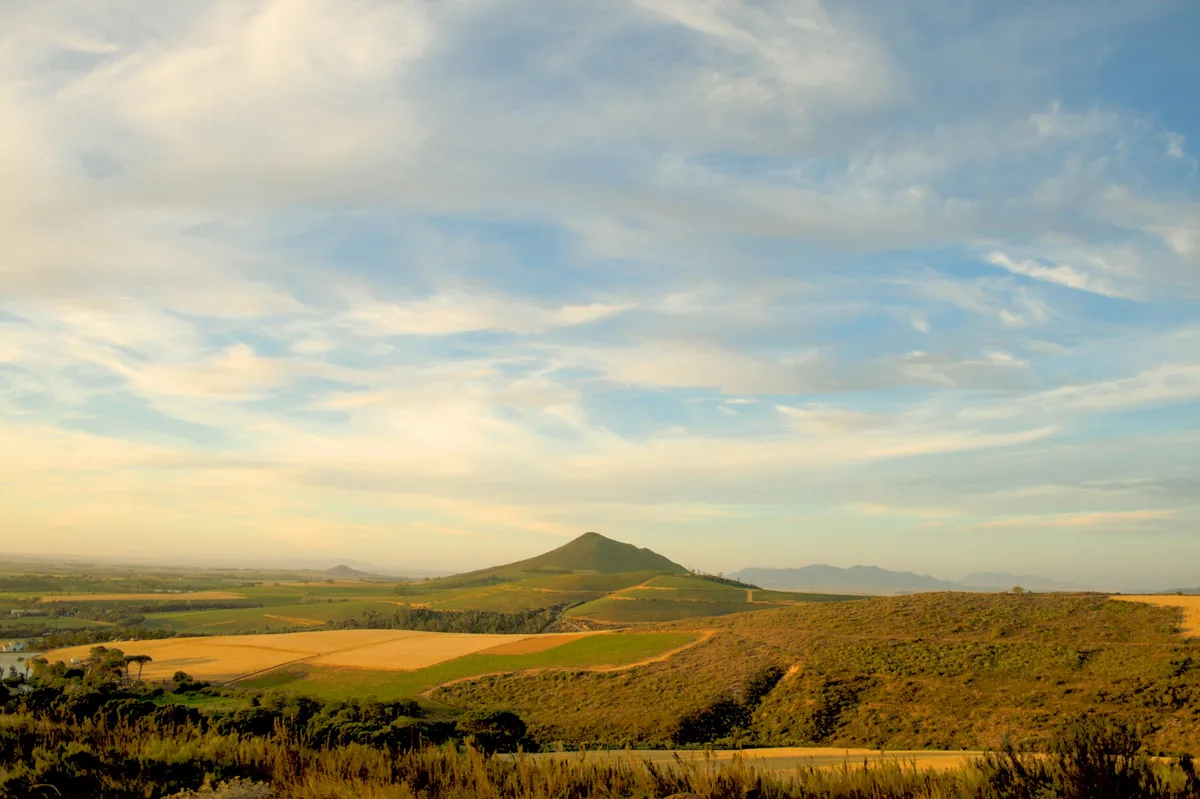
South Africa's historic wine country, its oak-lined streets and Cape Dutch architecture surrounded by vineyard estates in the valleys around Stellenbosch and Franschhoek.
 Multi-Day Tours
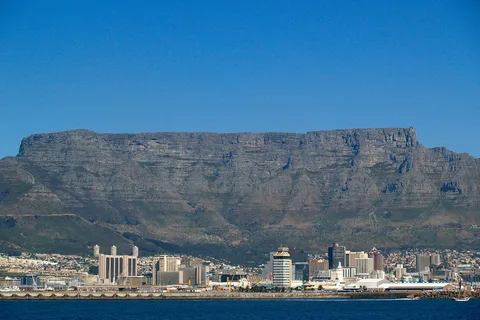
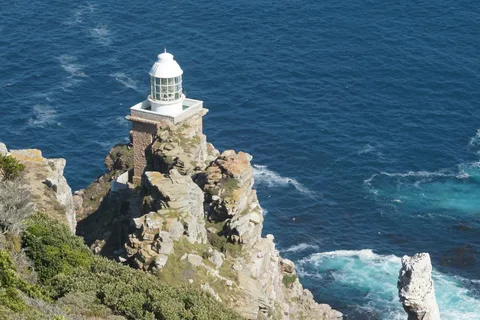
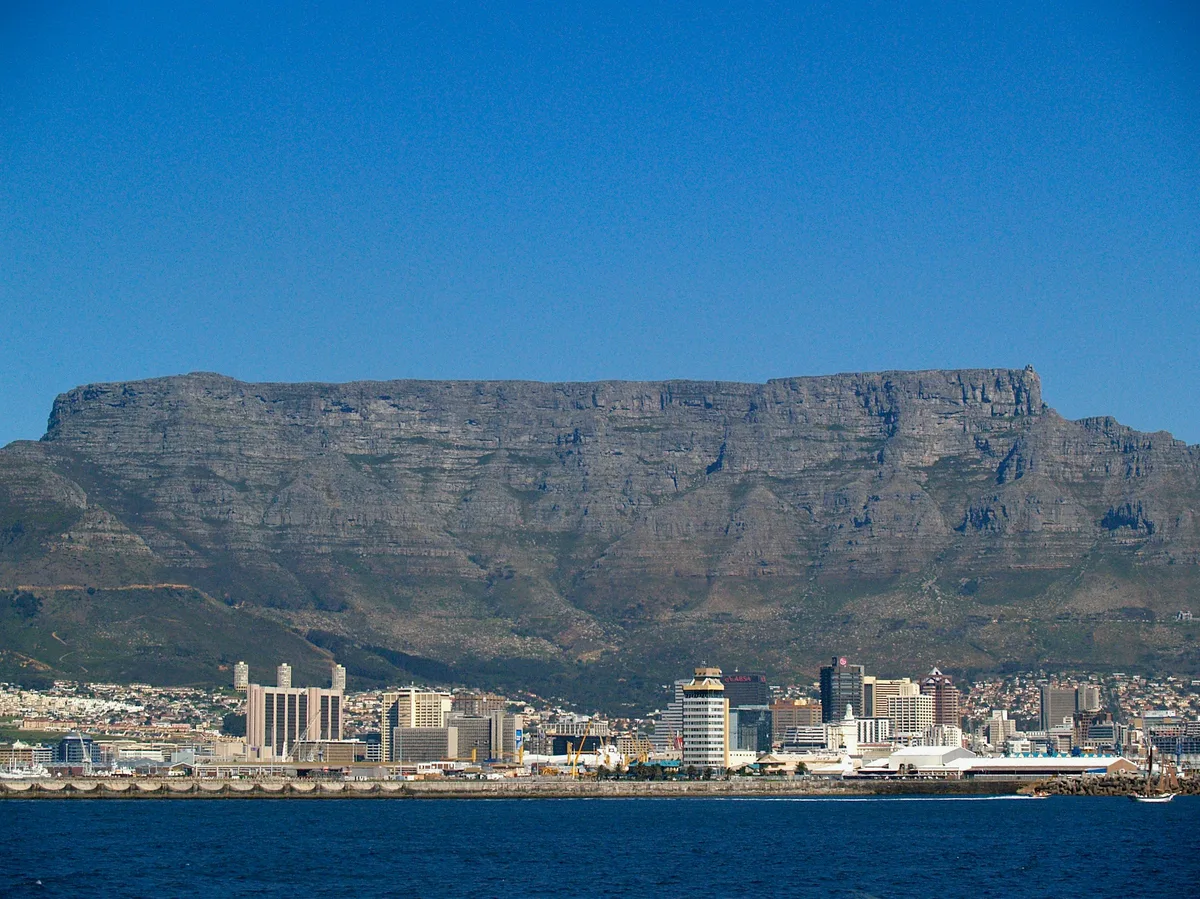
A 14-day South Africa route from Stellenbosch and Franschhoek's winelands to the Cederberg mountains, the fishing village of Paternoster, and Cape Town — Cape Point, the Cape Floral Region, and Table Mountain.
 Multi-Day Tours
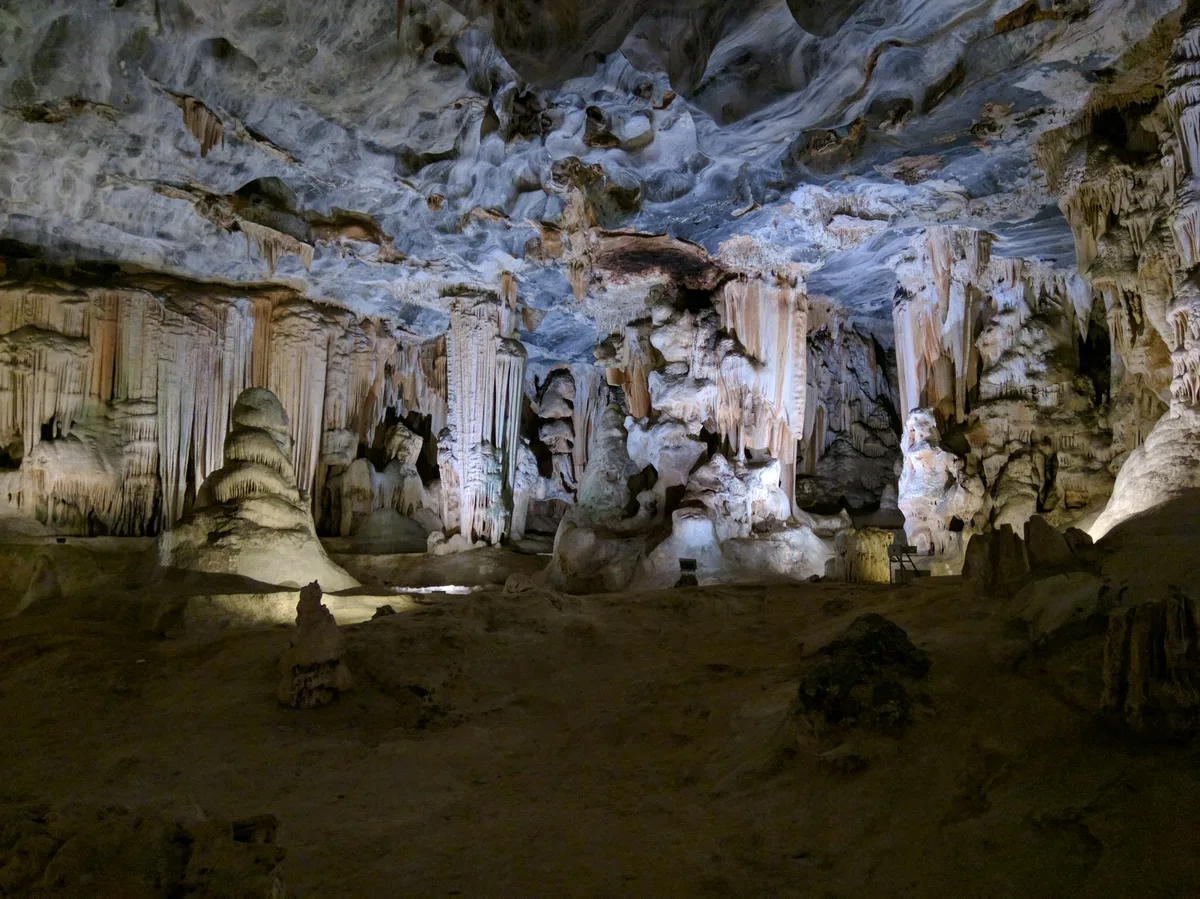
A 16-day Garden Route journey from Cape Town along Route 62 to Robertson's wine valley, Mont Eco and Buffelsdrift game reserves, Knysna's lagoon, De Hoop Nature Reserve, and Hermanus, before returning to Cape Town.
Visitor guide
The Stellenbosch Winelands are the vineyard valleys around the town of Stellenbosch, about 50 kilometres east of Cape Town in South Africa's Western Cape. Oak-lined streets, Cape Dutch buildings and mountain-backed wine estates make it a centre of the country's wine industry.
Governor Simon van der Stel of the Cape Colony founded Stellenbosch in 1679 and named it after himself, with the name meaning Stel's Forest. Wikipedia calls it the second-oldest town in South Africa. It lies on the Eerste River at the foot of the Stellenbosch Mountain, and became an independent local authority in 1682 and a magistrate's seat in 1685. The population was mixed from the beginning, with Europeans, enslaved people, free Black residents and Khoi and San people, and Wikipedia describes life for enslaved and Indigenous people as very harsh.
Van der Stel planted oak trees to line streets and homesteads, giving the town its nickname Eikestad, the City of Oaks. A fire in 1710 destroyed most of the town, including the first church, which was rebuilt in 1723 on the outskirts and is now the Moederkerk. Dutch engineers built furrows to carry water from the river through the town.
Many historic buildings are in the Cape Dutch style, including the Blettermanhuis of 1789. The Theology Building sits at the top of Dorp Street, and Oom Samie se Winkel is a well-known shop on the same street. Stellenbosch University has its roots in 1863, and its Victoria College dates to 1874, with the university formed in 1918. It now has about 29,000 students.
Huguenot refugees settled around Stellenbosch from about 1690, and grapes were planted in the fertile valleys. The Stellenbosch, Paarl and Franschhoek valleys form the Cape Winelands, which Wikipedia describes as the larger of South Africa's two main wine regions. Stellenbosch is the main centre for viticulture and viticulture research. The first official wine route in the country was founded here in 1971 by three or four local producers, depending on the source, and it has operated under a sponsor name since 2002. Wikipedia names estates on the route such as Warwick and JC Le Roux.
The climate is Mediterranean, with dry, warm summers, with some days in February and March above 40 degrees Celsius, and cool, rainy winters averaging about 16 degrees by day. Annual rainfall is about 878 millimetres. Soils range from dark alluvium to clay, and the well-drained hillsides suit grapes. Snow can fall on the surrounding mountains a few times each winter.
Visitors come for historic buildings, estates, cafes, boutiques and galleries. A private guided visit with a driver is a practical way to taste at more than one estate without driving, and tastings are usually arranged in advance. Guides can also link Stellenbosch with Franschhoek, Paarl and the coast.
See every tour and attraction we cover in South Africa.