TorontoOntario · 36 tours
 Niagara FallsOntario · 25 tours
 New York CityNew York · 30 tours
 Las VegasNevada · 8 tours
 San FranciscoCalifornia · 16 tours
 VancouverBritish Columbia · 17 tours
 DubaiUAE · 54 tours
 Abu DhabiUAE · 5 tours
 Buenos AiresArgentina · 23 tours
 AthensGreece · 31 tours
 AucklandNew Zealand · 38 tours
 CancunMexico · 54 tours
No destinations match “”. Try searching all tours instead — that search understands full questions, not just place names.
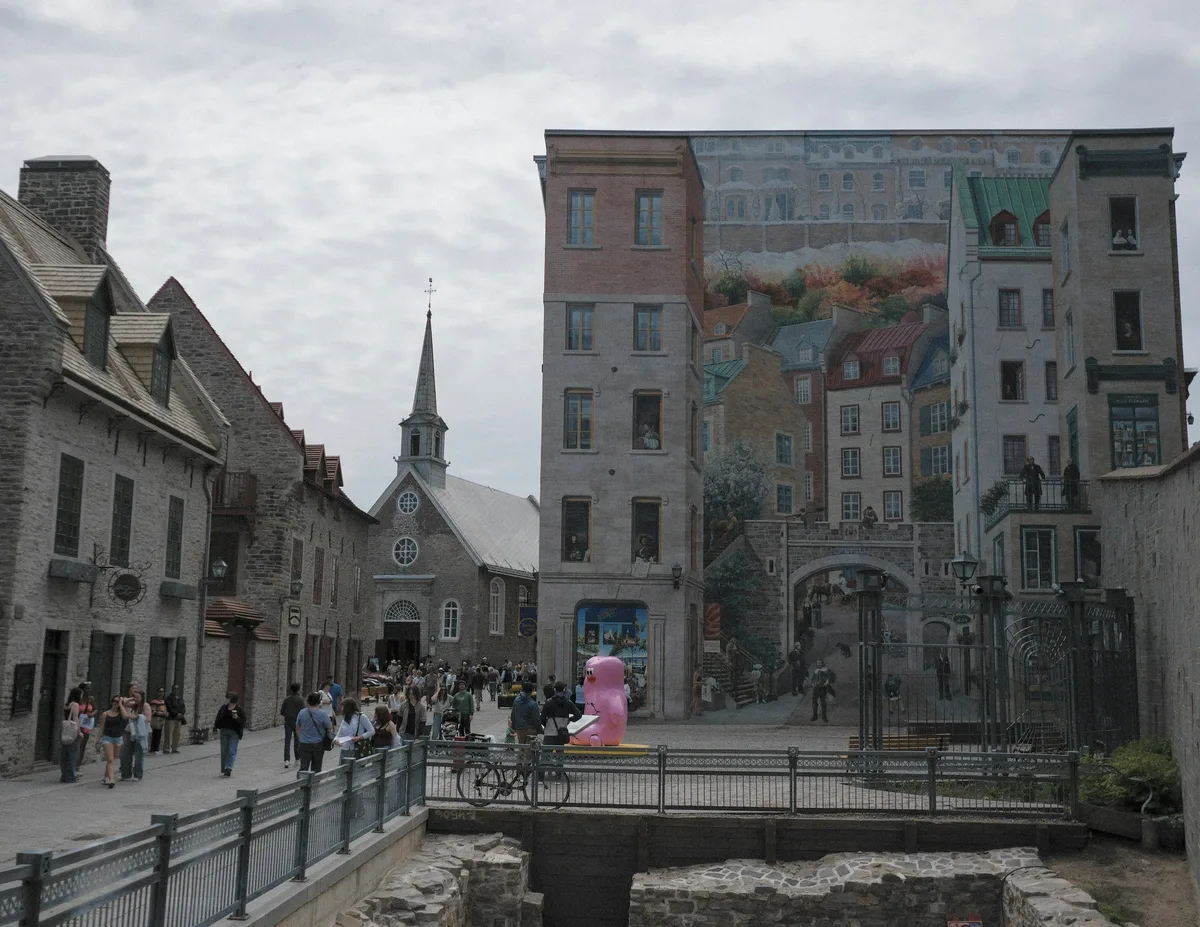
The cobbled square where Samuel de Champlain founded Québec City in 1608, ringed by centuries-old stone buildings.
 Private Tours
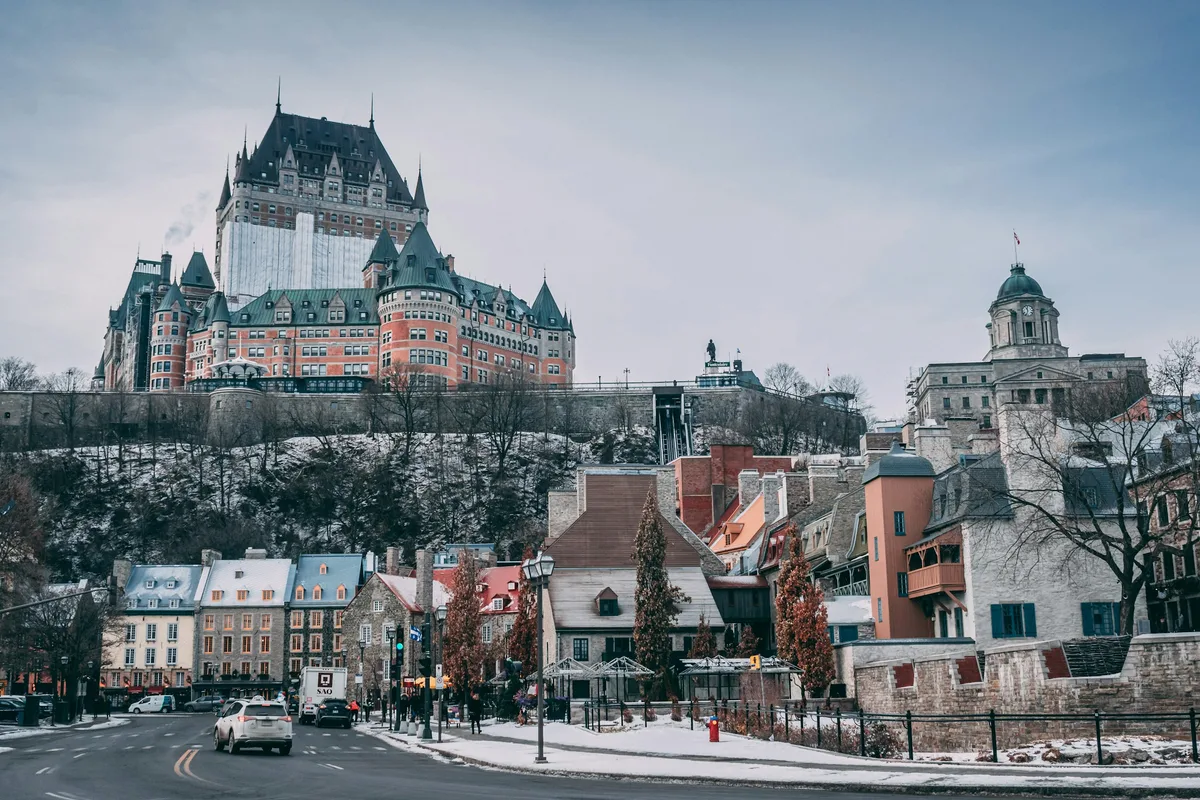
A private, guided walking tour of historic Old Québec — a UNESCO World Heritage Site — covering Terrasse Dufferin, the Notre-Dame de Québec Basilica-Cathedral, Place Royale, and Quartier Petit-Champlain, with a local guide the whole way.
 Private Tours
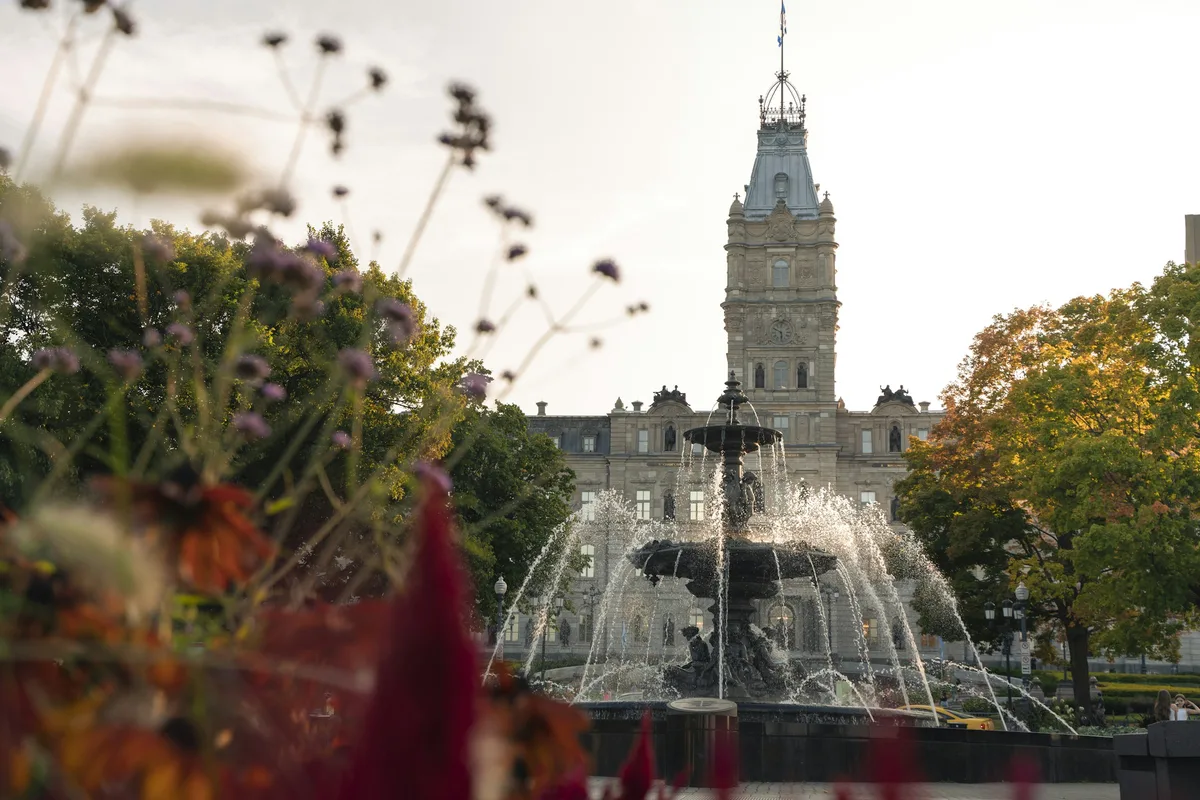
A private walking tour through both Upper and Lower Town of Old Québec — including a ride on the historic funicular, the Fortifications of Québec, and the Parliament Building — with hotel pickup in the Old Québec area.
Visitor guide
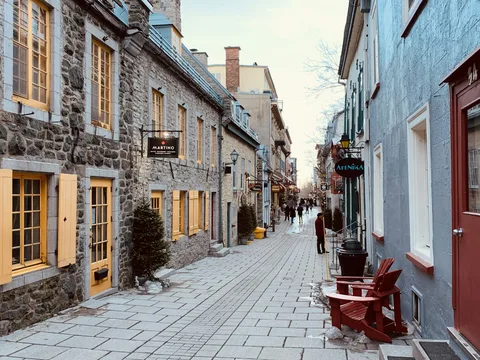
Place Royale is a small cobbled square in Québec City's Lower Town, ringed by steep-roofed stone houses and anchored by the church of Notre-Dame-des-Victoires. It stands on the ground where Samuel de Champlain established the settlement of Québec in 1608, and is part of the Historic District of Old Québec, inscribed by UNESCO in 1985.
After 1608 the Lower Town grew around Champlain's habitation, and from the late 1630s the space beside Champlain's habitation served as the settlement's market place, known as the Place du Marché. A fire in 1682 destroyed many wooden buildings, and the stone houses that replaced them set the architectural character that survives. The square took its present name in 1686, when Intendant Jean Bochart de Champigny erected a bust of Louis XIV; a copy of Bernini's bust was installed in 1931, removed in 1944 and reinstalled in 1964, according to the City of Québec.
The British bombardment before the Battle of the Plains of Abraham in 1759 caused major destruction in the Lower Town. In the nineteenth century, as industrialization and the growth of Montréal's port shifted trade elsewhere, the district lost its commercial role. A large restoration programme by the Québec government, carried out in the 1960s and 1970s, removed later additions of the British period and rebuilt to recover the French colonial character; it is considered one of the most ambitious and debated heritage reconstruction projects in Quebec, and many buildings were largely rebuilt rather than simply preserved.
The church on the square was begun in 1688 on the site of Champlain's habitation and completed in 1723, and was damaged heavily in the 1759 bombardment. It was dedicated first to the Infant Jesus and later renamed in connection with the French victories and the failed British naval expedition of 1690 and 1711. A full restoration was finished in 1816. It was recognized as a National Historic Site of Canada in 1988. It is often called one of the oldest stone churches in North America, which is plausible but is a claim rather than a verified ranking.
Besides the church, the square is surrounded by restored houses, including the reconstructed Maison Fornel, which was rebuilt in the early 1960s in the older style, and nearby interpretive spaces tell the story of the quarter. A trompe-l'oeil mural nearby depicts the history of the city. The square has also appeared on screen: it stood in for the French town of Montrichard in Steven Spielberg's film Catch Me If You Can (2002).
Lower Town is reached from Upper Town by the funicular, the Breakneck Steps or the Côte de la Montagne. The streets are cobbled and busy in summer, so morning visits are quieter. Check the church and nearby sites for current opening times.
For travellers who prefer not to climb, Voyzo's private vehicle and driver can arrange door-to-door pickup and drop you at the foot of the hill, so you can walk the square and Petit-Champlain on level ground.
Rue du Petit-Champlain, the Breakneck Steps, the Old Port and the funicular are all a few minutes' walk from the square.
See every tour and attraction we cover in Quebec City.