TorontoOntario · 36 tours
 Niagara FallsOntario · 25 tours
 New York CityNew York · 30 tours
 Las VegasNevada · 8 tours
 San FranciscoCalifornia · 16 tours
 VancouverBritish Columbia · 17 tours
 DubaiUAE · 54 tours
 Abu DhabiUAE · 5 tours
 Buenos AiresArgentina · 23 tours
 AthensGreece · 31 tours
 AucklandNew Zealand · 38 tours
 CancunMexico · 54 tours
No destinations match “”. Try searching all tours instead — that search understands full questions, not just place names.
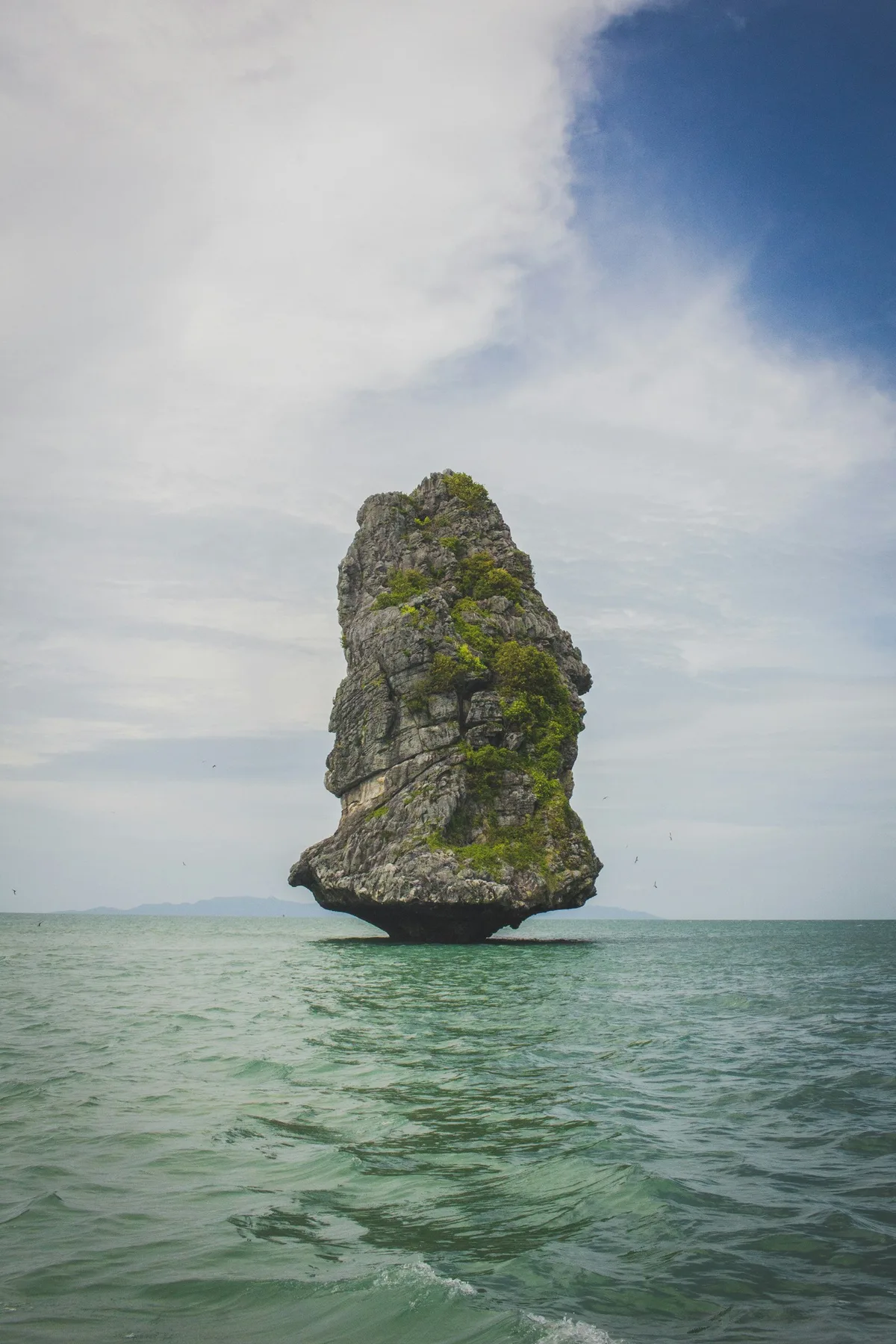
A bay of dramatic limestone karsts north of Phuket, including Koh Tapu, the needle-like islet made famous by the 1974 film "The Man with the Golden Gun."
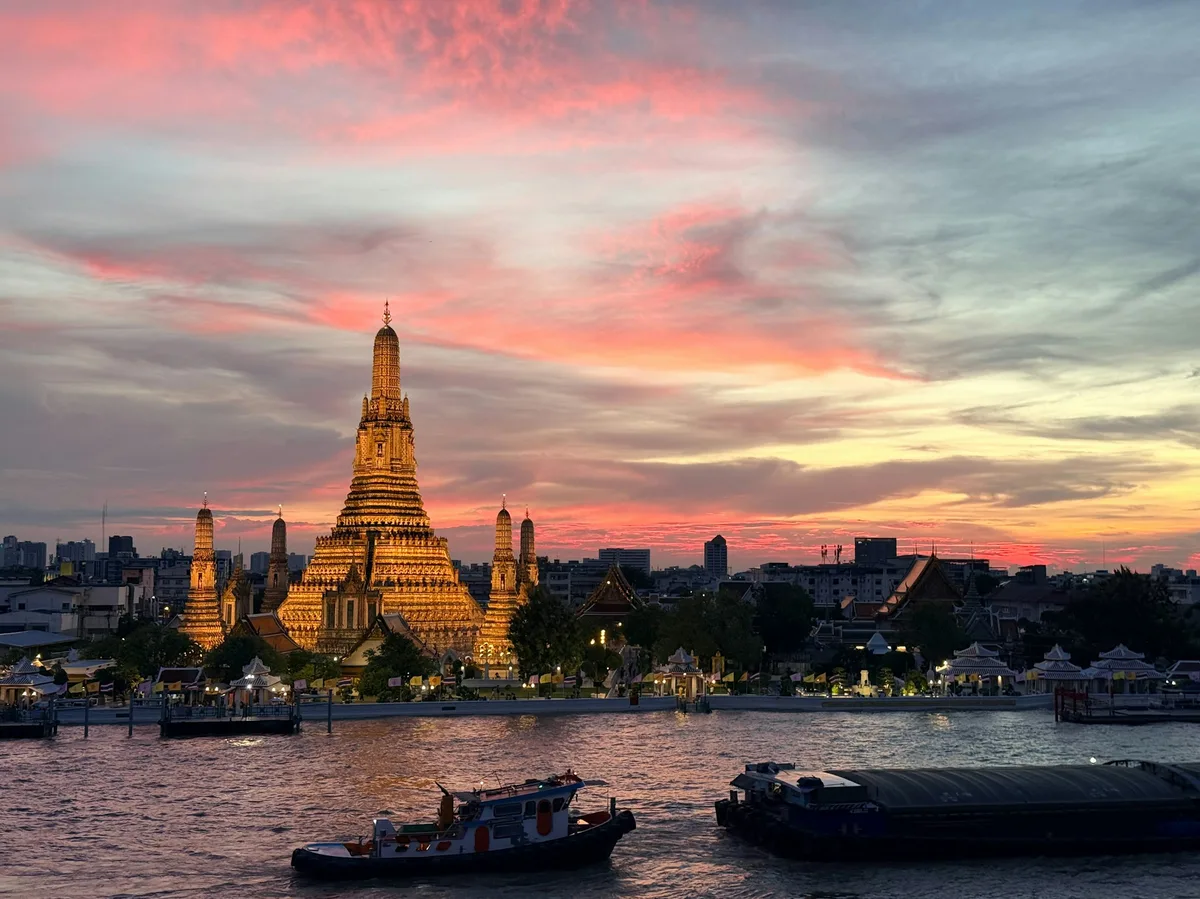 Multi-Day Tours
A 10-day introduction to Thailand — Bangkok's temples and floating markets, Chiang Mai's mountain temples and an elephant park, and free beach days on Phuket — with private transfers and domestic flights between them.
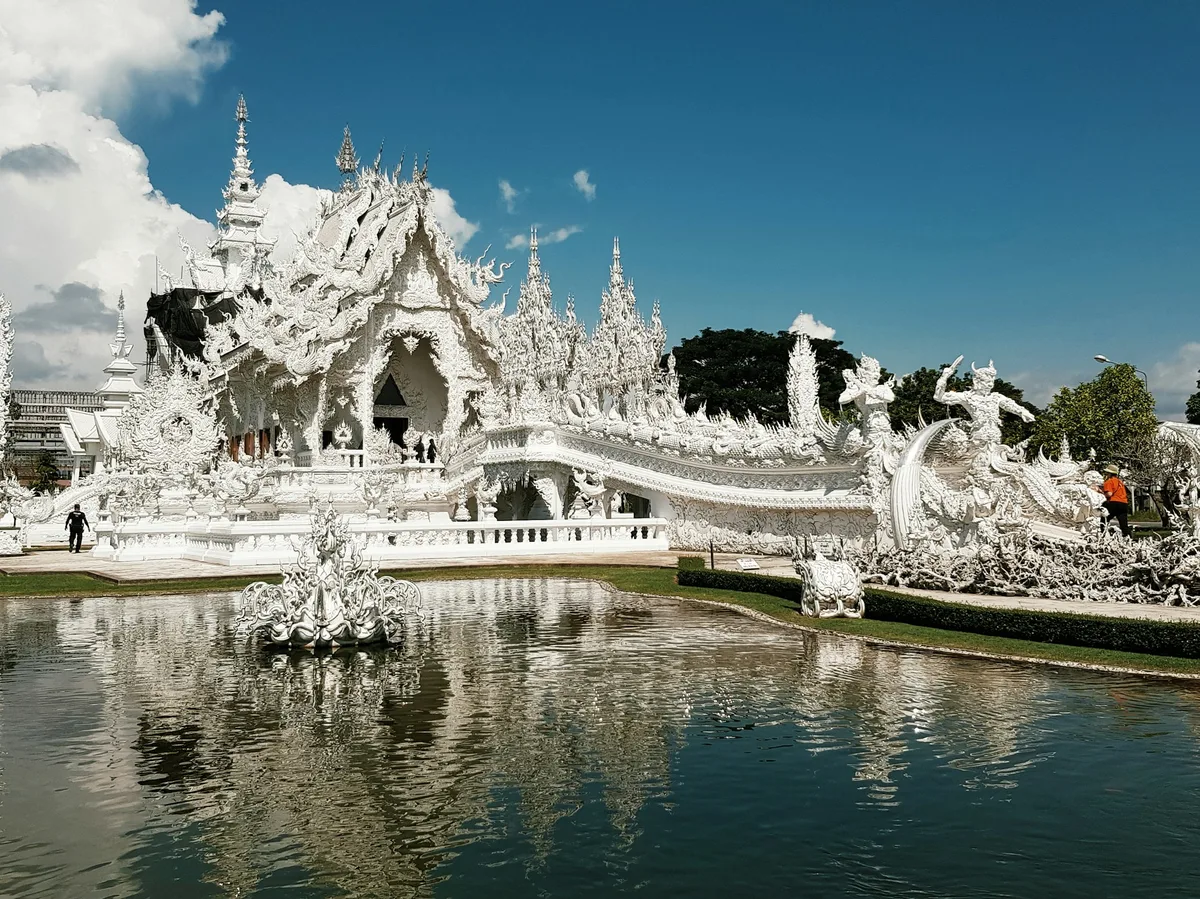 Multi-Day Tours
A 12-day route through Thailand's history and far north that Voyzo's other Thailand itineraries don't cover — the Death Railway and Hellfire Pass near Kanchanaburi, the ancient capital of Ayutthaya, the Golden Triangle and White Temple near Chiang Rai — before Chiang Mai and beach time in Phuket.
Visitor guide
Phang Nga Bay is a shallow bay in the Andaman Sea between Phuket and the mainland of southern Thailand, in Phang Nga Province. It is known for limestone karst islands rising from the water, mangrove forests and caves, and for Khao Phing Kan and the needle-shaped rock of Ko Tapu, popularly called James Bond Island.
According to Wikipedia, the bay covers about 400 square kilometres and contains 42 islands, along with intertidal forested wetlands, seagrass beds and coral reefs. Since 1981 a large part of it has been protected as Ao Phang Nga National Park. The marine national park was designated a Ramsar wetland site on 14 August 2002. At least 28 mangrove species grow here, and wildlife recorded includes at least 88 bird species, 82 fish species and 17 mammal species, among them the dugong and the endangered serow.
The bay is known for steep limestone cliffs, caves and collapsed cave systems. Archaeological sites include rock paintings that are more than a thousand years old. Wikipedia also notes that around 10,000 years ago, when sea levels were lower, it was possible to walk from Phuket to Krabi, a reminder of how the coastline has changed.
Khao Phing Kan and Ko Tapu are the best-known islands in the bay. In the 1974 James Bond film The Man with the Golden Gun, Khao Phing Kan serves as the villain's hideout, and the slender limestone pillar of Ko Tapu, which rises roughly 20 metres tall just offshore, is prominently featured. The association gave the area its popular name, James Bond Island. The bay also stood in for Ha Long Bay in Vietnam in the 1997 film Tomorrow Never Dies.
Wikipedia's article on the national park reports that geological studies date the region's limestone mountain range to between about 136 and 36 million years ago, and that faults shaped the landscape, with erosion producing the many caves and holes. During the Ice Age, about 11,000 years ago, sea levels were much lower and the present islands were mostly upland mountains. Research at Khao Tao in 1987 uncovered prehistoric burial sites, evidence of early human habitation. The park protects one of Thailand's best-preserved mangrove forests, which act as a natural barrier against storms and a breeding ground for marine species. A 1991 inventory recorded 206 species, including 88 birds, and Wikipedia notes that over-tourism has been a concern, so conditions and access rules can change.
Exploring the bay is typically done by boat among the islands, with stops at caves and viewpoints. Water conditions and boat schedules vary with the season and the weather, and the area has a monsoon climate with a pronounced wet season. The bay is accessible from Phuket and the mainland coast, and many visitors treat it as a full-day outing.
Because boat access and departure points differ by season, Voyzo arranges private tours with a private vehicle and driver for the land transfers. Itineraries are tailored to the group on request, and boat arrangements are confirmed when you request a quote.
See every tour and attraction we cover in Thailand.