TorontoOntario · 36 tours
 Niagara FallsOntario · 25 tours
 New York CityNew York · 30 tours
 Las VegasNevada · 8 tours
 San FranciscoCalifornia · 16 tours
 VancouverBritish Columbia · 17 tours
 DubaiUAE · 54 tours
 Abu DhabiUAE · 5 tours
 Buenos AiresArgentina · 23 tours
 AthensGreece · 31 tours
 AucklandNew Zealand · 38 tours
 CancunMexico · 54 tours
No destinations match “”. Try searching all tours instead — that search understands full questions, not just place names.
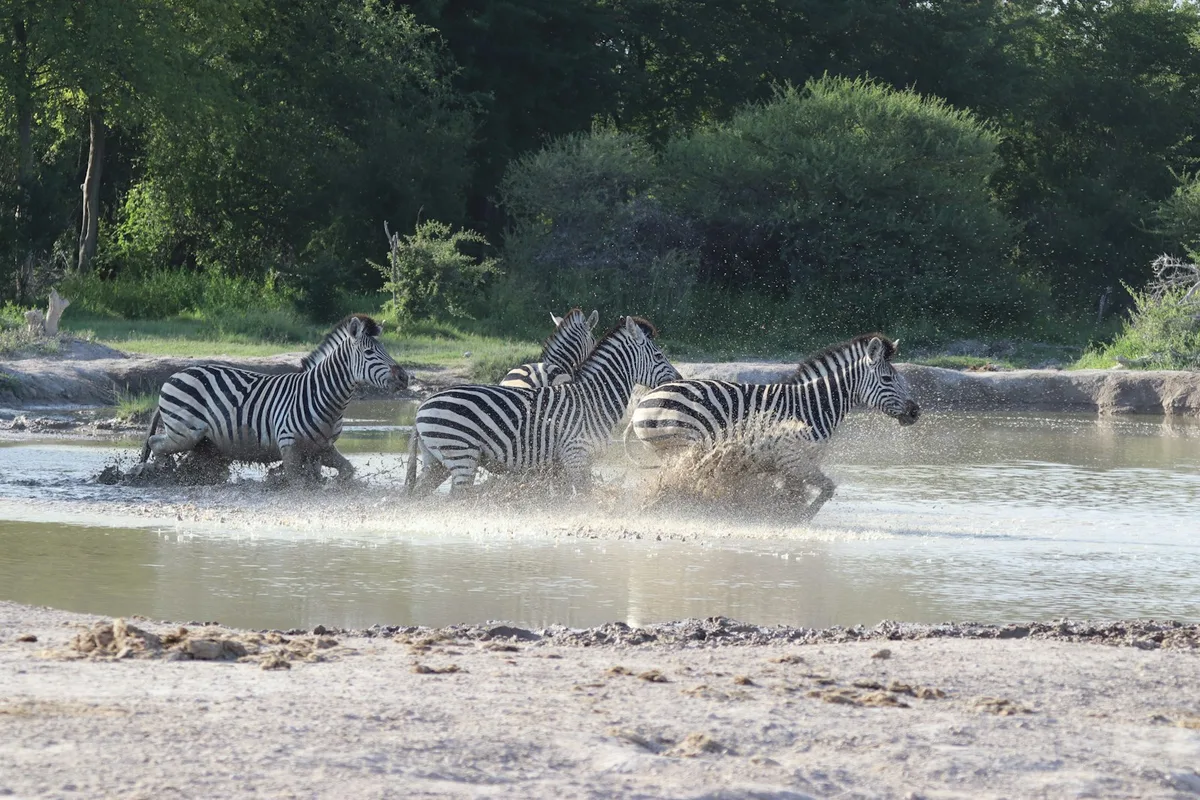
A fossil salt pan reserve adjoining Makgadikgadi in northern Botswana, known for its dry-season concentrations of zebra and elephant and for the ancient Baines' Baobabs grove.
Visitor guide
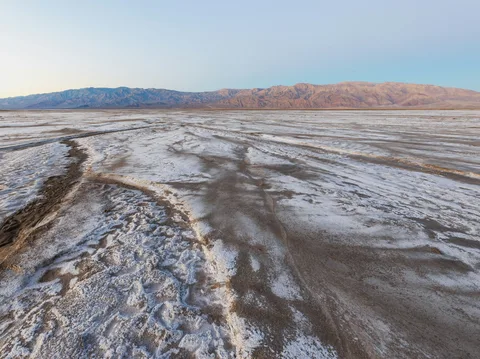
Nxai Pan National Park is a protected area in north-eastern Botswana, just north of the Maun-Nata road and bordering Makgadikgadi Pans National Park. It is known for its fossil salt pan, seasonal wildlife and the cluster of ancient baobab trees called Baines' Baobabs.
According to Wikipedia, the park covers 2,578 square kilometres and was established in 1992; it is an IUCN Category Ib wilderness area. Nxai Pan itself is a remnant of an ancient lake bed covering about 40 square kilometres and is one of the Makgadikgadi salt flats. Travel sources add that the area combines fossilised pans, grassy plains and acacia woodland, and that it was declared a game reserve in 1970 before gaining national park status in 1992.
The park's best-known landmark is a cluster of very old baobab trees named after Thomas Baines, who is credited with first describing them for Western botany. A travel source states that Baines painted the trees in 1862. They stand at the edge of Kudiakam Pan, a white salt pan, and attract many visitors. The trees are about 30 kilometres from the park entrance according to one safari source, which also describes the clump as sitting on a small island overlooking the pan. Ages given for the trees vary between sources and are not reliably established here.
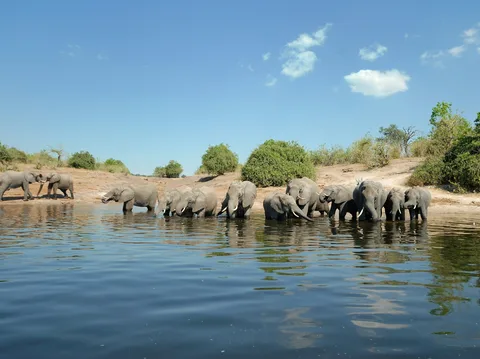
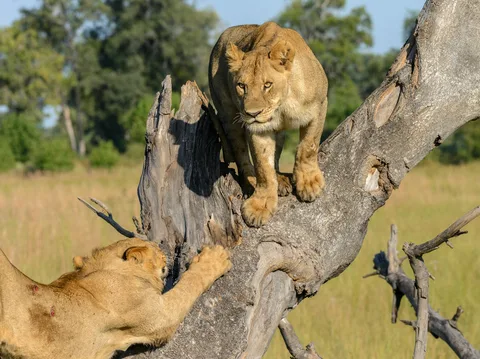
Wikipedia lists elephant, giraffe, zebra, wildebeest, lion, leopard, cheetah, kudu, springbok, impala, ostrich, Cape wild dog, jackal, hyena, bat-eared fox, aardwolf and honey badger. Travel sources describe the park as a route for the zebra migration from the Okavango and Chobe areas into the Boteti and Makgadikgadi pans in search of fresh grazing. They place the migration in the wet season, with abundant grass and large herds of zebra and wildebeest between November and April, depending on rainfall. Claims that this is the longest or second-largest migration in the region come from promotional material and should be treated cautiously.
The rainy season from November to April is hot and wet, and the park is described as at its best then, with abundant game from December to April. Heavy rains can make roads difficult. The drier months from May to September are more accessible, though many animals move away from the pans. Wikipedia notes the page is lightly sourced, so seasonal details should be treated as general guidance.
Nxai Pan is part of the Kavango-Zambezi Transfrontier Conservation Area, which Wikipedia describes as the second-largest nature and landscape conservation area in the world. It forms part of the wider Makgadikgadi system, which also includes the nearby Makgadikgadi Pans National Park and Sua and Ntwetwe pans.
The park is remote, with sandy tracks that suit four-wheel-drive vehicles. A private guided visit with an experienced driver is a practical way to reach the baobabs and pans safely. Because conditions change sharply between wet and dry seasons, trip timing affects what can be seen.
See every tour and attraction we cover in Botswana.