TorontoOntario · 36 tours
 Niagara FallsOntario · 25 tours
 New York CityNew York · 30 tours
 Las VegasNevada · 8 tours
 San FranciscoCalifornia · 16 tours
 VancouverBritish Columbia · 17 tours
 DubaiUAE · 54 tours
 Abu DhabiUAE · 5 tours
 Buenos AiresArgentina · 23 tours
 AthensGreece · 31 tours
 AucklandNew Zealand · 38 tours
 CancunMexico · 54 tours
No destinations match “”. Try searching all tours instead — that search understands full questions, not just place names.
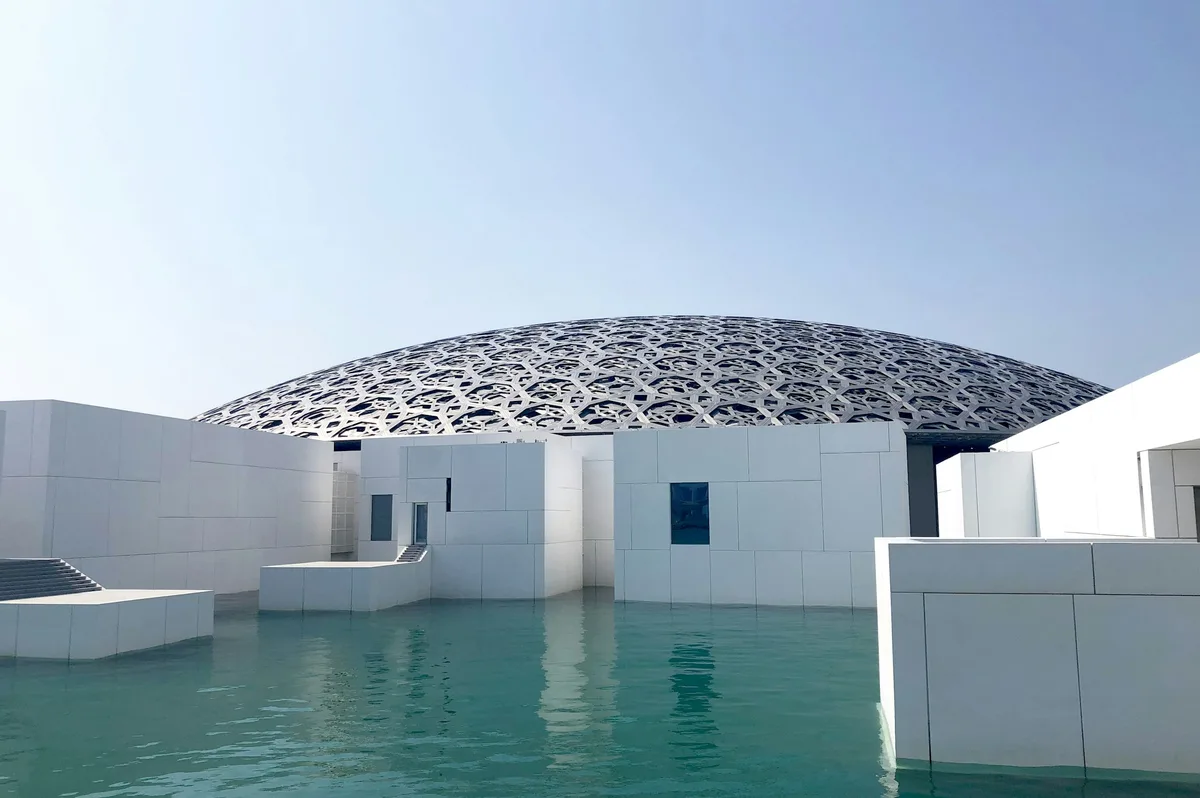
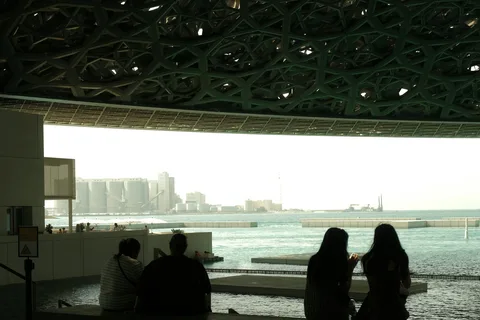
An art and civilization museum under a vast perforated dome that scatters light over the water like a 'rain of light.'
 Private Tours
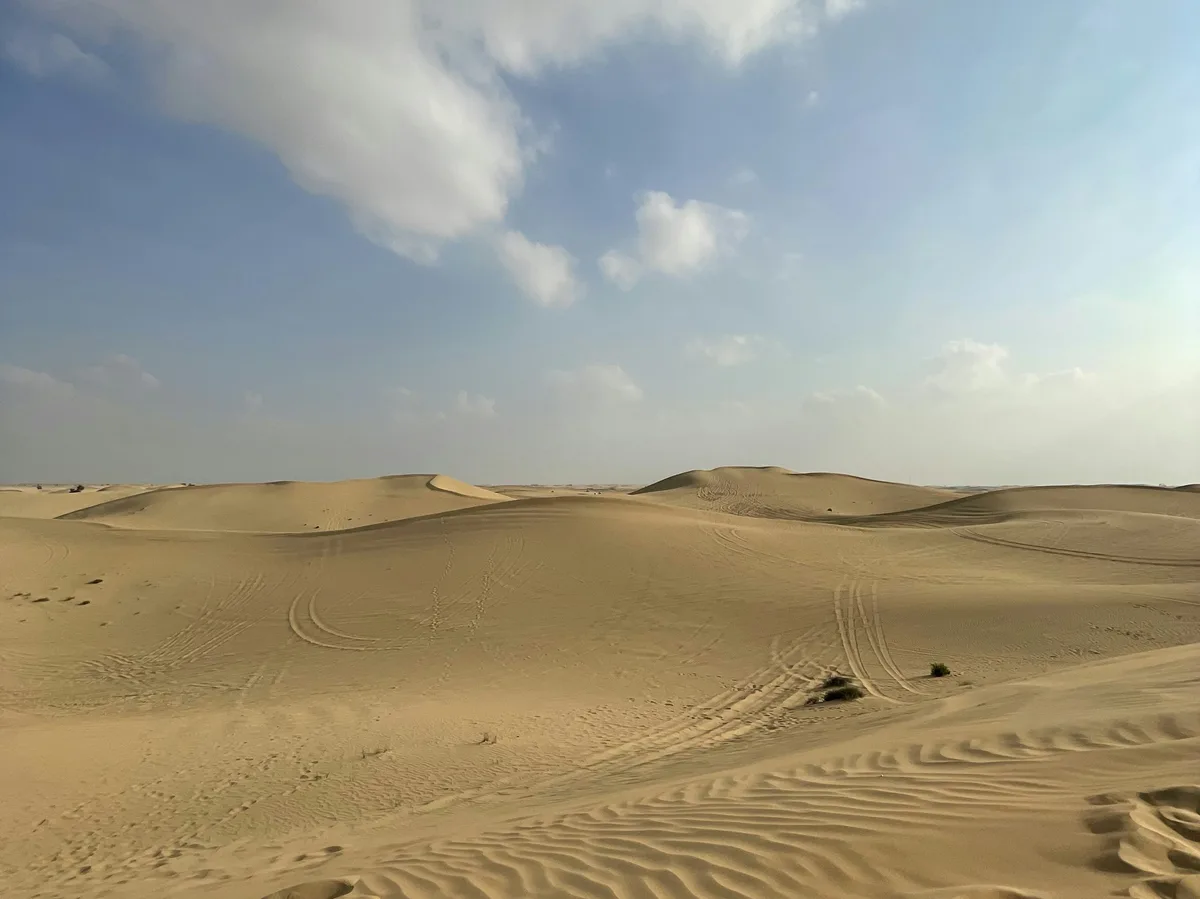
A private 4x4 desert tour from Abu Dhabi — dune bashing, a camel ride, and sandboarding, with private transport throughout.
 Private Tours
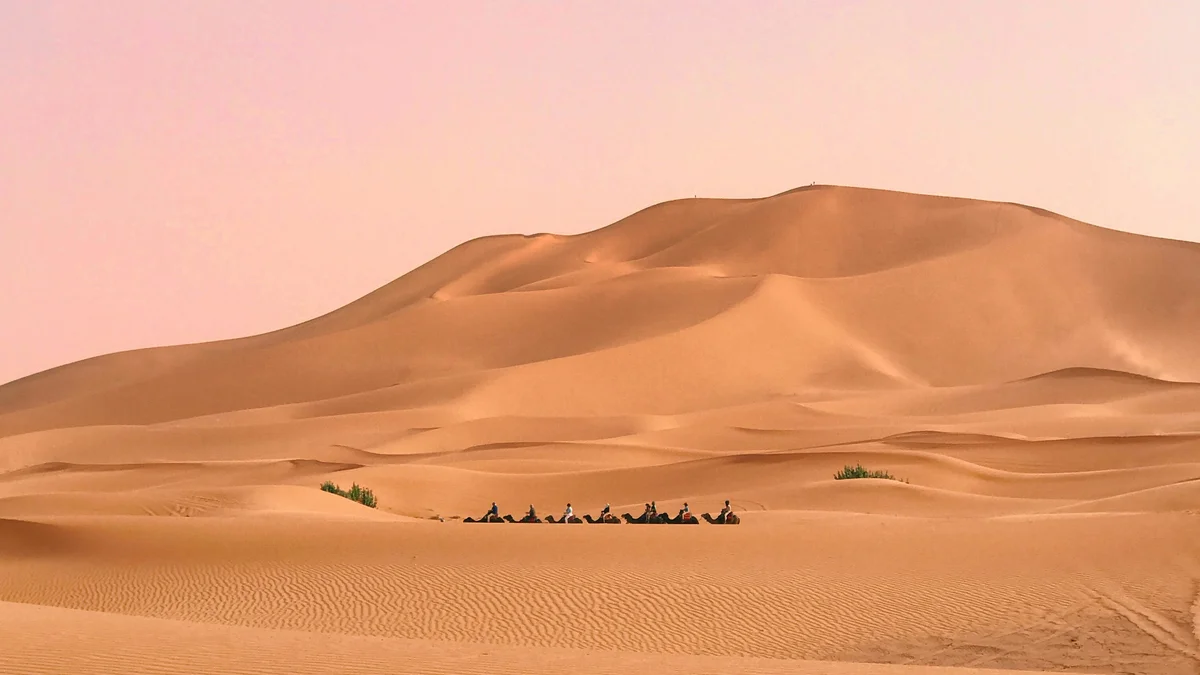
A private desert safari built specifically for cruise passengers — pickup directly from the Abu Dhabi Cruise Terminal, timed to have you back before your ship departs.
Visitor guide
Louvre Abu Dhabi is an art and civilisations museum on Saadiyat Island in Abu Dhabi, United Arab Emirates. Designed by the architect Jean Nouvel and inaugurated on 8 November 2017, it is known for its large, perforated dome that filters sunlight into a pattern often described as a rain of light.
According to Wikipedia, the UAE first put the idea of a Louvre-branded museum to the French government in 2005, and an intergovernmental agreement was signed on 6 March 2007 and ratified by the French Parliament on 9 October 2007. It allows use of the Louvre name until 2047, following an extension in 2023. The Louvre has described the project as France's largest cultural project abroad. The museum is an Emirati national institution overseen by the Abu Dhabi Department of Culture and Tourism and is separate from the Paris Louvre, and it is part of a US$27 billion cultural and tourism development on Saadiyat Island, planned to include other museums such as the Zayed National Museum and the Guggenheim Abu Dhabi.
Jean Nouvel was selected as architect in 2006, a choice first suggested by Thomas Krens, then of the Guggenheim Foundation. Construction officially started on 26 May 2009, the same day an early exhibition of the first acquisitions opened at the Emirates Palace, and piling of 4,536 piles was completed in August 2010. The main phase began in early 2013, and the museum's opening, first expected in 2012, was delayed several times before the November 2017 inauguration by French president Emmanuel Macron, Abu Dhabi's crown prince and the ruler of Dubai; it opened to the public three days later. In 2019 the waterfront boulevard beside it was named after former French president Jacques Chirac.
The engineers, BuroHappold, realised the floating dome from 7,850 metal stars of varying sizes tessellated over eight layers, a perforated roof that lets sunlight through. The effect is meant to recall rays of sun passing through date palm fronds in an oasis. The dome rests on four pillars and is commonly reported to weigh about 7,500 tonnes, though sources differ. Watertight basements and tidal pools within the galleries create the illusion of a museum in the sea while protecting the art from the marine environment. The complex has 55 buildings, 23 of them galleries, built to resemble the low-rise homes of the region. The museum covers about 24,000 square metres, with roughly 8,000 square metres of galleries, of which about 6,000 are for the permanent collection and 2,000 for temporary exhibitions.
Two public art commissions were created for the opening. Jenny Holzer's sculpture in white limestone is engraved with excerpts from a Sumerian and Akkadian creation myth, Ibn Khaldun's Muqaddimah and Montaigne's Essays, in three scripts. Giuseppe Penone's installation Germination includes a bronze tree under the dome and a porcelain panel of concentric circles based on the fingerprint of Sheikh Zayed bin Sultan Al Nahyan. The three-language wayfinding system was designed by Philippe Apeloig, and its pictograms were inspired by the shapes of light filtering through the dome.
The collection is intended to bridge Eastern and Western art and to present works from around the world side by side in a chronological approach across geographies. Wikipedia mentions early acquisitions including a 14th-century Mamluk Quran, a Bellini Virgin and Child and Mondrian's Composition with blue, red, yellow and black, along with a Bactrian princess sculpture from the third millennium BC, Gauguin's Breton Boys Wrestling and Magritte's The Subjugated Reader. Loans from French museums have included works by Matisse, Van Gogh, David and Monet. The display status of some major works can change, so check current displays before planning a visit around a particular painting.
The museum drew about two million visitors by 2019 according to Wikipedia, which describes it as the most visited museum in the Arab world. The architecture and waterside setting can be enjoyed alongside the galleries, and a private guided visit with a driver makes the trip from central Abu Dhabi straightforward.
See every tour and attraction we cover in Abu Dhabi.