TorontoOntario · 36 tours
 Niagara FallsOntario · 25 tours
 New York CityNew York · 30 tours
 Las VegasNevada · 8 tours
 San FranciscoCalifornia · 16 tours
 VancouverBritish Columbia · 17 tours
 DubaiUAE · 54 tours
 Abu DhabiUAE · 5 tours
 Buenos AiresArgentina · 23 tours
 AthensGreece · 31 tours
 AucklandNew Zealand · 38 tours
 CancunMexico · 54 tours
No destinations match “”. Try searching all tours instead — that search understands full questions, not just place names.
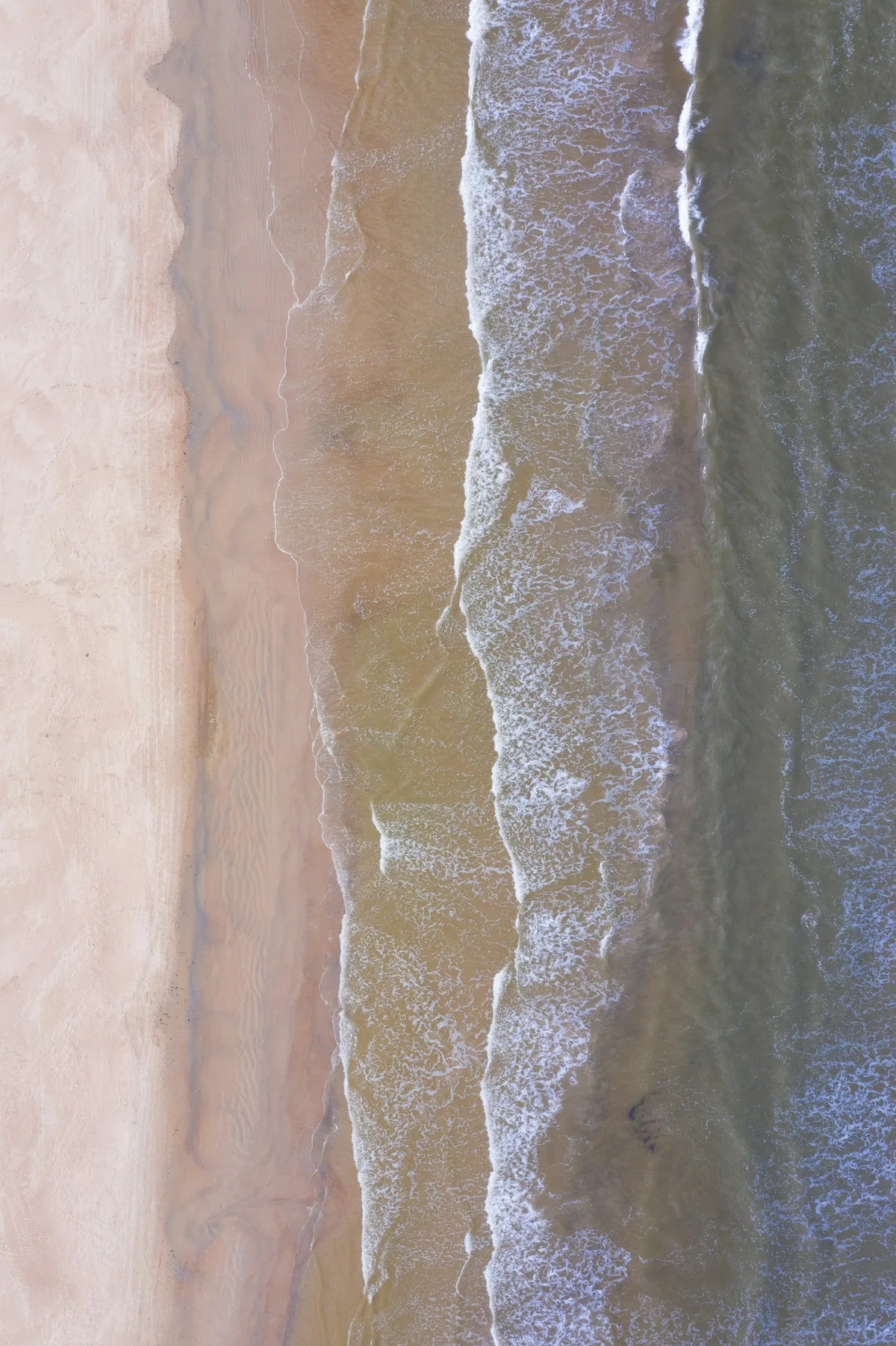
A port city on Latvia's western coast, known for its long sandy beach, the abandoned Soviet military district of Karosta, and a music scene that earned it the nickname 'the city where the wind is born.'
 Multi-Day Tours
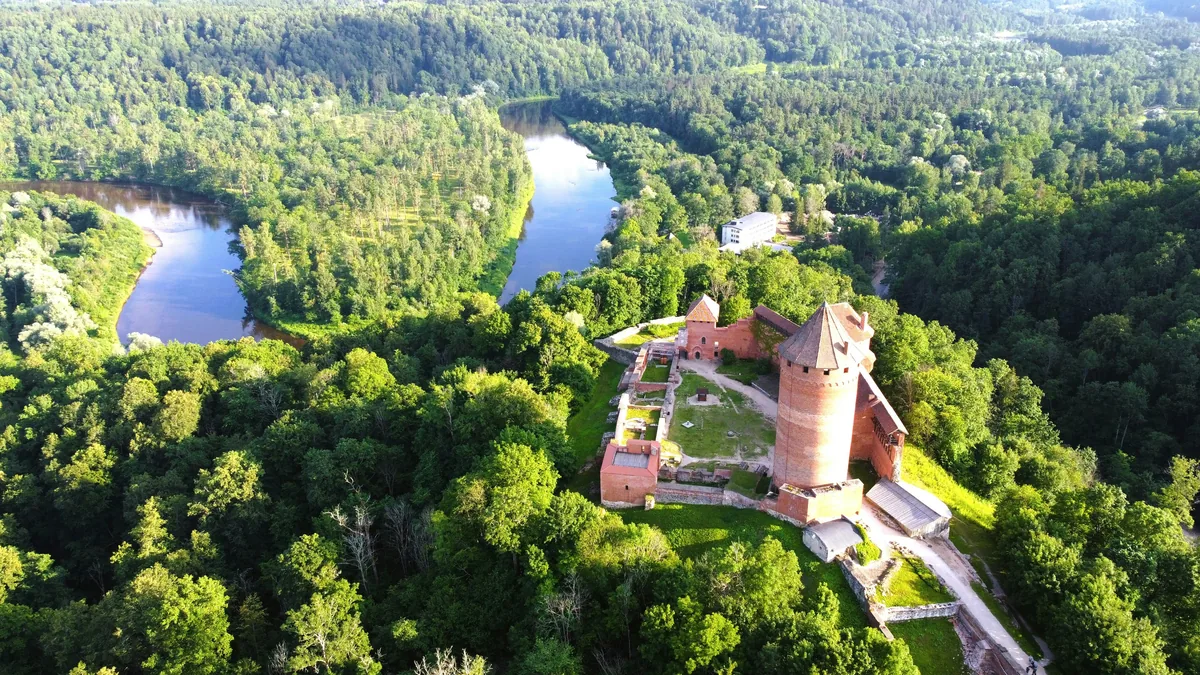
A 10-day, in-depth loop from Riga through Gauja National Park, the medieval town of Cēsis, Rundāle Palace, Kuldīga, Liepāja, the resort town of Jūrmala, and the bogs and former spa town of Ķemeri National Park.
 Multi-Day Tours
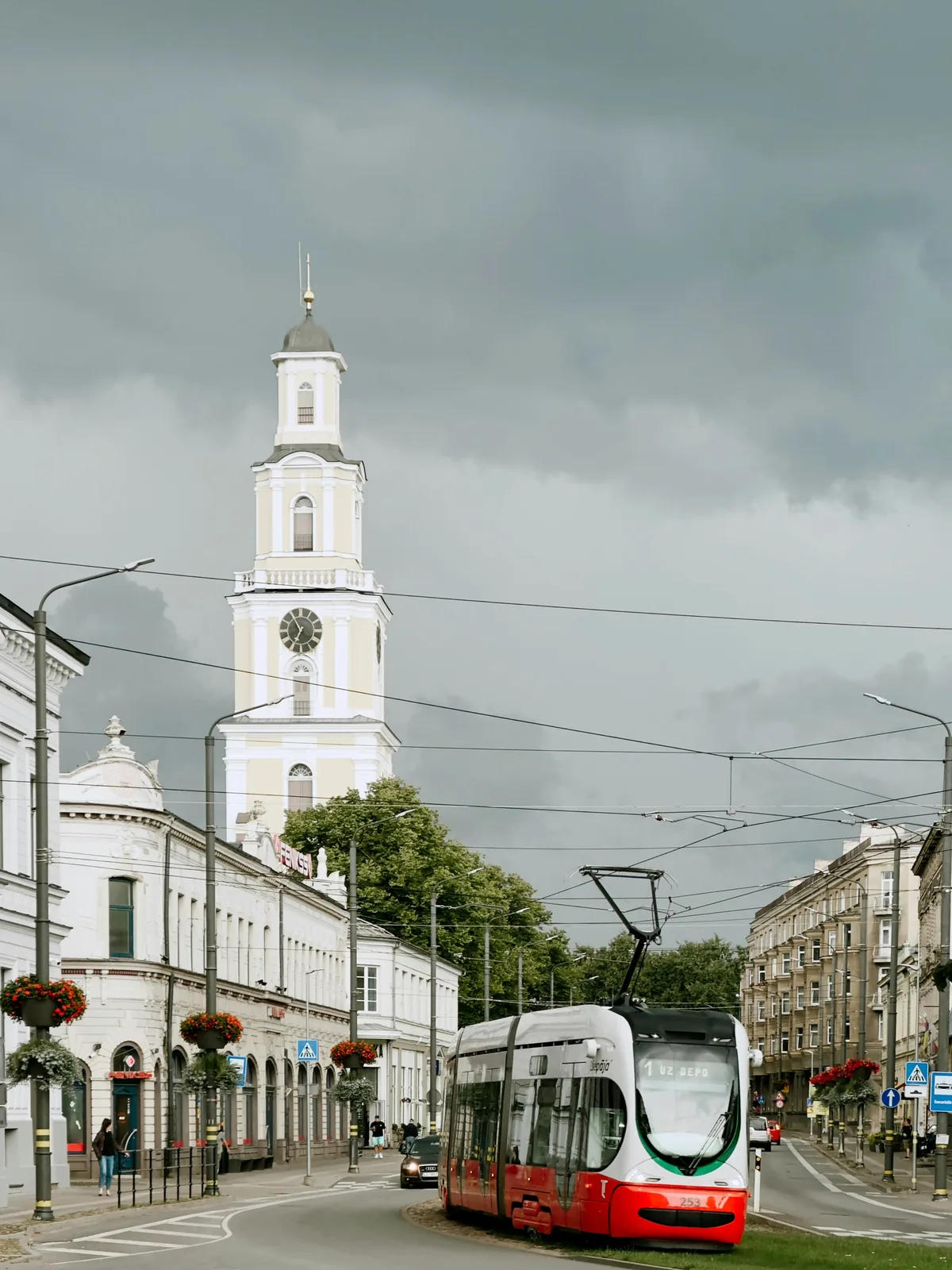
A 13-day adventure across Latvia and Lithuania — hiking, biking, and kayaking through Gauja and Ķemeri National Parks, the Curonian Spit's sand dunes, Kuldīga and Liepāja, and the medieval castles of Trakai and Vilnius.
Visitor guide
Liepaja is a port city on the Baltic coast of western Latvia, the largest city in the Courland region and the third largest in the country after Riga and Daugavpils. Its nickname, the city where the wind is born, refers to the steady sea breeze, and it is known for its long sandy beach, its Art Nouveau streets and the former Soviet naval district of Karosta.
The Teutonic Order founded the town as Libau in 1263, and Duke Friedrich Kettler granted city rights in 1625. Under Duke Jacob Kettler it became one of Courland's main ports, with trade reaching Britain, France, the Netherlands and Portugal, and a canal to the sea was cut between 1697 and 1703. Courland came under Russian control in 1795, and growth in the 19th century was rapid. Railway links opened in 1871 and 1876, and Wikipedia notes that around 500,000 emigrants from the Russian Empire left for the United States through Liepaja.
Architect Paul Max Bertschy, appointed city architect in 1871, shaped many of the city's public and private buildings.
Tsar Alexander III ordered the city fortified, and a major military base was built on its northern edge, known as Karosta, meaning War Port, with its own military harbour. The district is dominated by the Orthodox St Nicholas Naval Cathedral, built between 1901 and 1903, and includes an officers' meeting house, a residential complex and fortifications with underground passages. During the Soviet era the city was closed, and it hosted a Baltic naval base. The commercial port reopened in 1991 and the last Russian troops left in 1994. A Karosta Prison museum now operates in the district.
Liepaja has Art Nouveau buildings on a European scale, and Graudu Street is described as almost entirely Art Nouveau. Many buildings reflect a restrained Northern National Romanticism. Landmarks include the Holy Trinity Lutheran Cathedral of 1758, the St Joseph Catholic Cathedral of 1762, the Rose Square and the Swan Pond, a remnant of the old Liva river. The Great Amber concert hall, designed by Volker Giencke, is regarded as a major 21st-century building.
The city has an unbroken sandy beach and dunes, and natural areas cover about a third of its territory. Wikipedia says it has the highest average air temperature in Latvia at 7.0 degrees Celsius and that the country's highest recorded wind gust, 48 metres per second, occurred here in October 1967. The city anthem shares the title The City Where the Wind Is Born and was composed by Imants Kalnins.
Liepaja has been named a European Capital of Culture for 2027. A private guided tour with a driver suits its spread-out sights, which range from the beach and old town to the Karosta district to the north.
See every tour and attraction we cover in Latvia.