TorontoOntario · 36 tours
 Niagara FallsOntario · 25 tours
 New York CityNew York · 30 tours
 Las VegasNevada · 8 tours
 San FranciscoCalifornia · 16 tours
 VancouverBritish Columbia · 17 tours
 DubaiUAE · 54 tours
 Abu DhabiUAE · 5 tours
 Buenos AiresArgentina · 23 tours
 AthensGreece · 31 tours
 AucklandNew Zealand · 38 tours
 CancunMexico · 54 tours
No destinations match “”. Try searching all tours instead — that search understands full questions, not just place names.
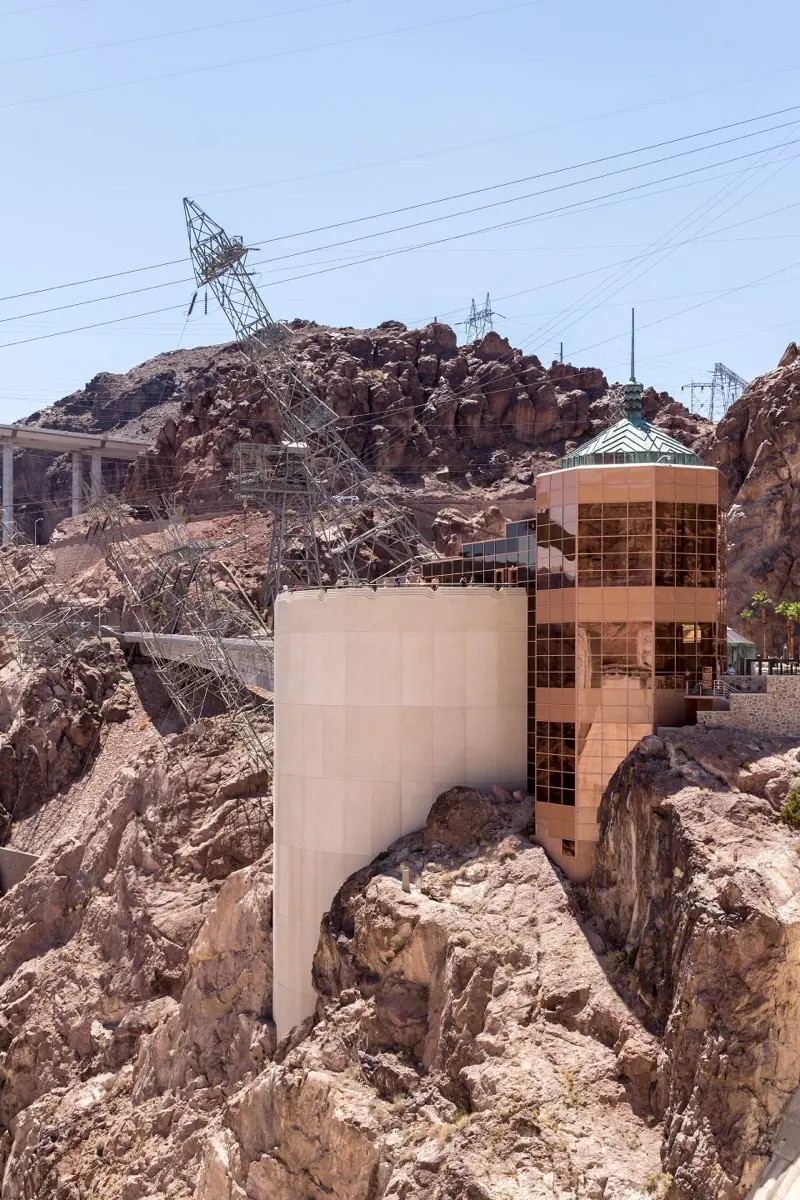
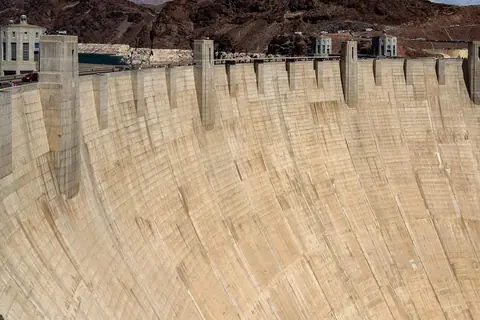
The reservoir behind Hoover Dam and the largest man-made lake in the US by volume, stretching across the Nevada-Arizona border with scenic overlooks along the drive from Las Vegas.
Visitor guide
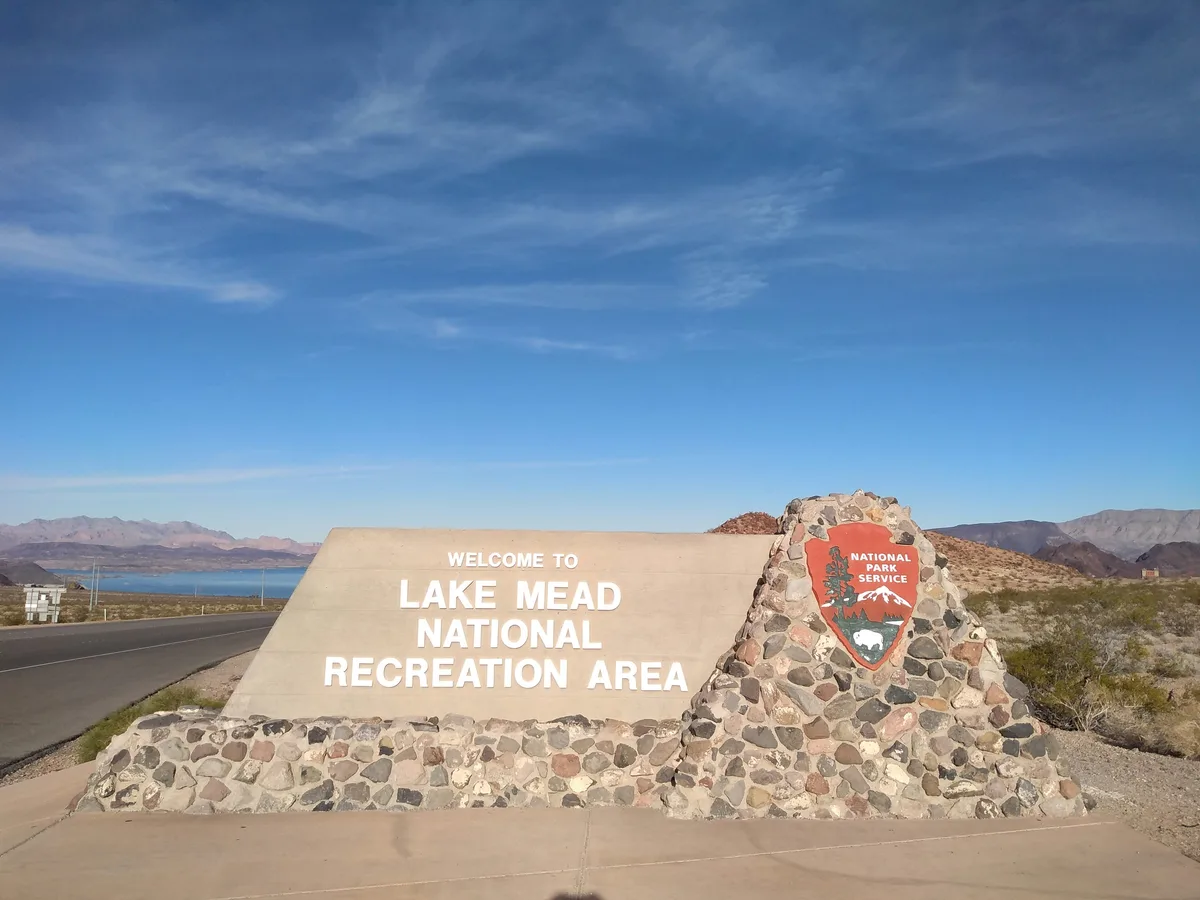
Lake Mead is the reservoir on the Colorado River formed by Hoover Dam, on the Nevada-Arizona border east of Las Vegas. Described as the largest reservoir in the United States by water capacity, it covers about 247 square miles when full and anchors Lake Mead National Recreation Area, which the National Park Service administers.
Hoover Dam, originally called Boulder Dam, was authorized in the wake of the Reclamation Act of 1902 era of western water projects, with construction beginning in 1931 and the dam finished in 1935-36. The lake behind it is named for Elwood Mead, who served as Commissioner of the Bureau of Reclamation from 1924 to 1936 during the planning and construction of the Boulder Canyon Project. Sources give slightly different dates for when the reservoir first filled, so treat the mid-1930s as the general timeframe.
At its maximum level of 1,229 feet the lake is reported to be roughly 112 to 120 miles long, depending on the source. Inflow comes mainly from Rocky Mountain snowmelt on the Colorado, regulated by Glen Canyon Dam upstream, and the water supplies Arizona, California, Nevada, and parts of Mexico.
The rising water covered the town of St. Thomas, Nevada, whose last resident left in 1938, along with landings at Callville and Rioville, Bonelli's Ferry, and many Ancestral Puebloan sites, including the one often called the Lost City. NPS records note that people lived along this stretch of the river for 8,000 to 10,000 years, including hunter-gatherers, pit-house dwellers, and early farmers who grew corn, beans, squash, and cotton. Explorer Jedediah Smith traveled the Virgin and Colorado Rivers in 1826-27, and Lt. Joseph Christmas Ives steamed up the lower Colorado in 1855.
The area was first set up as the Boulder Dam Recreation Area in 1936 and renamed Lake Mead National Recreation Area in 1947, according to the NPS timeline. Lake Mohave, created by Davis Dam, was added, and the area is commonly cited as the first national recreation area designated by Congress, in 1964, though sources differ on exact dates. The recreation area covers about 1.5 million acres of mountains, canyons, valleys, and two large reservoirs, Lake Mead and Lake Mohave, across Nevada and Arizona. Bighorn sheep can be seen in most areas of the park, and boating is a main draw.
Lake levels are a documented feature of the lake. The reservoir has been below full capacity since 1983, and releases and evaporation have often exceeded inflows. Drought and conservation agreements have caused the lake to rise and fall over the decades, and marinas and boat ramps have been moved as the shoreline changed. For the latest numbers, check the Bureau of Reclamation and NPS rather than relying on a printed figure.
Distances from Las Vegas are quoted from about 24 to 30 miles depending on the access point. Launch ramps, marinas, beaches, and roads are managed by the NPS and change with lake conditions, so check Lake Mead National Recreation Area for what is available. On a private tour, a private vehicle and driver with door-to-door pickup makes the lakeshore and the dam easy to combine in one day.
See every tour and attraction we cover in Las Vegas.