TorontoOntario · 36 tours
 Niagara FallsOntario · 25 tours
 New York CityNew York · 30 tours
 Las VegasNevada · 8 tours
 San FranciscoCalifornia · 16 tours
 VancouverBritish Columbia · 17 tours
 DubaiUAE · 54 tours
 Abu DhabiUAE · 5 tours
 Buenos AiresArgentina · 23 tours
 AthensGreece · 31 tours
 AucklandNew Zealand · 38 tours
 CancunMexico · 54 tours
No destinations match “”. Try searching all tours instead — that search understands full questions, not just place names.
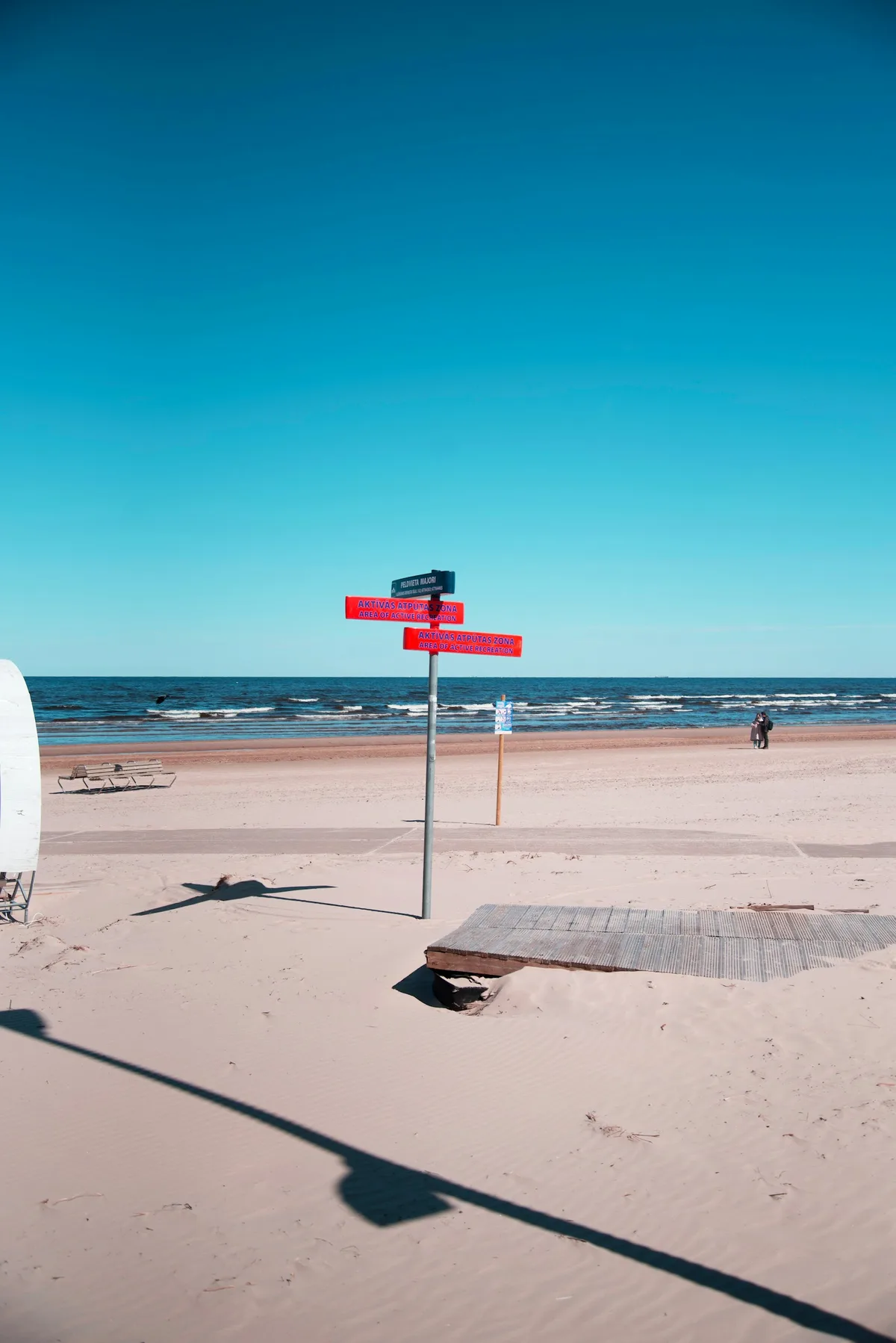
A resort town on the Baltic Sea coast west of Riga, known for its long stretch of white-sand beach, pine forests, and wooden 19th-century villas.
Visitor guide
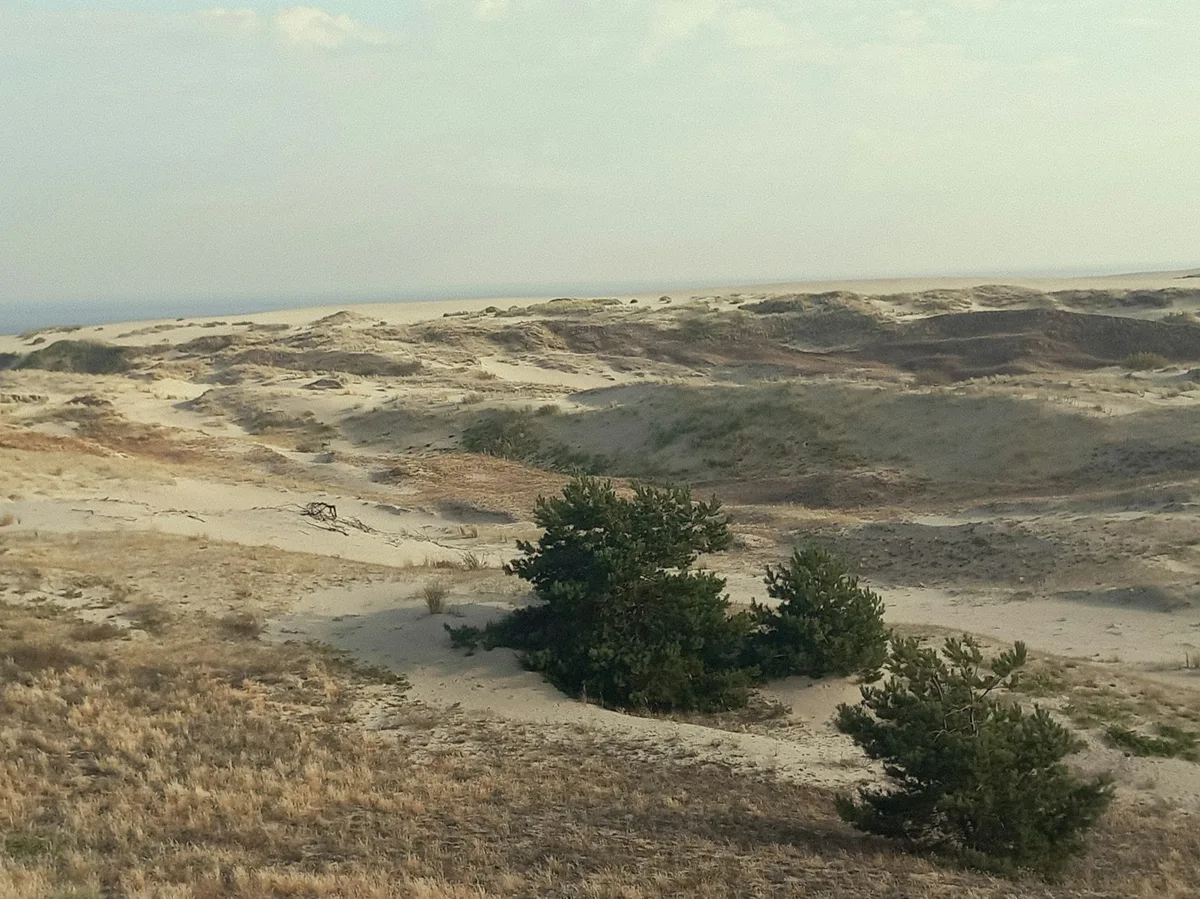
Jurmala is a resort city on the Gulf of Riga about 25 kilometres west of Riga, Latvia, between the Baltic Sea and the Lielupe River. Its name combines the Latvian words for sea and edge, and it is known for a long white-sand beach, pine woods and wooden villas.
Wikipedia gives the beach as about 33 kilometres long, while the official Jurmala visitor brochure gives 24 kilometres; the sand is white and quartz-rich, with shallow coastal waters considered safe for children. Each section has its own character: Majori and Bulduri are among the beaches that have held Blue Flag certification (the official brochure lists five, including Dzintari, Dubulti and Jaunkemeri, in 2015) and offer beach cafes, Dubulti and Dzintari host beach football and volleyball, and Pumpuri is known for kitesurfing and windsurfing. Amber pieces can sometimes be found on the sand in spring and autumn.
The city stretches about 32 kilometres along the coast, and it is the fifth-largest city in Latvia with a population of roughly 50,000. It has an oceanic climate bordering on humid continental, with average July highs of about 23 degrees Celsius and January highs around freezing.
Jurmala's reputation as a spa destination began in the late 18th and early 19th centuries, when wealthy landowners and Russian army officers came to rest by the sea. The opening of the Riga to Tukums railway in 1877 greatly increased visitor numbers, and the sea breeze, pine forests, mineral springs and sandy beaches drew sanatoriums. The town was founded as Rigas Jurmala in 1920, and German-language materials of the era promoted it as the Baltic Riviera. In 1959 it was merged with the health resorts of Sloka and Kemeri to form the City of Jurmala.
Under Soviet rule it was a favoured holiday destination for Communist Party officials, and holidays there were awarded to top union members. Many beach houses and concrete hotels from that period remain.
Jurmala is known for its wooden houses, many built in the 19th and early 20th centuries in styles ranging from classicism and national romanticism to Art Nouveau and modernism. Most were designed by Baltic German and Latvian architects, with Russian and Finnish architects also contributing. Dubulti Station is a notable example of concrete-shell modernism, and the Kemeri hotel-sanatorium, designed by Eizens Laube and opened in 1936, is considered a prominent example of Latvian neo-classical architecture. Wikipedia mentions 414 officially protected historical buildings and over 4,000 wooden structures, though that figure is flagged as needing a citation.
The Dzintari concert hall hosts the Jurmala International Piano Competition, founded in 1994 and held every two years, and the Rendezvous music festival, held since 2015. A Midsummer Festival takes place in June. Trains on the Riga to Tukums line run through the city, which has 14 railway stops, and a road links Riga to Jurmala. A private guided tour with a driver makes an easy half-day or full-day trip from Riga.
See every tour and attraction we cover in Latvia.