TorontoOntario · 36 tours
 Niagara FallsOntario · 25 tours
 New York CityNew York · 30 tours
 Las VegasNevada · 8 tours
 San FranciscoCalifornia · 16 tours
 VancouverBritish Columbia · 17 tours
 DubaiUAE · 54 tours
 Abu DhabiUAE · 5 tours
 Buenos AiresArgentina · 23 tours
 AthensGreece · 31 tours
 AucklandNew Zealand · 38 tours
 CancunMexico · 54 tours
No destinations match “”. Try searching all tours instead — that search understands full questions, not just place names.
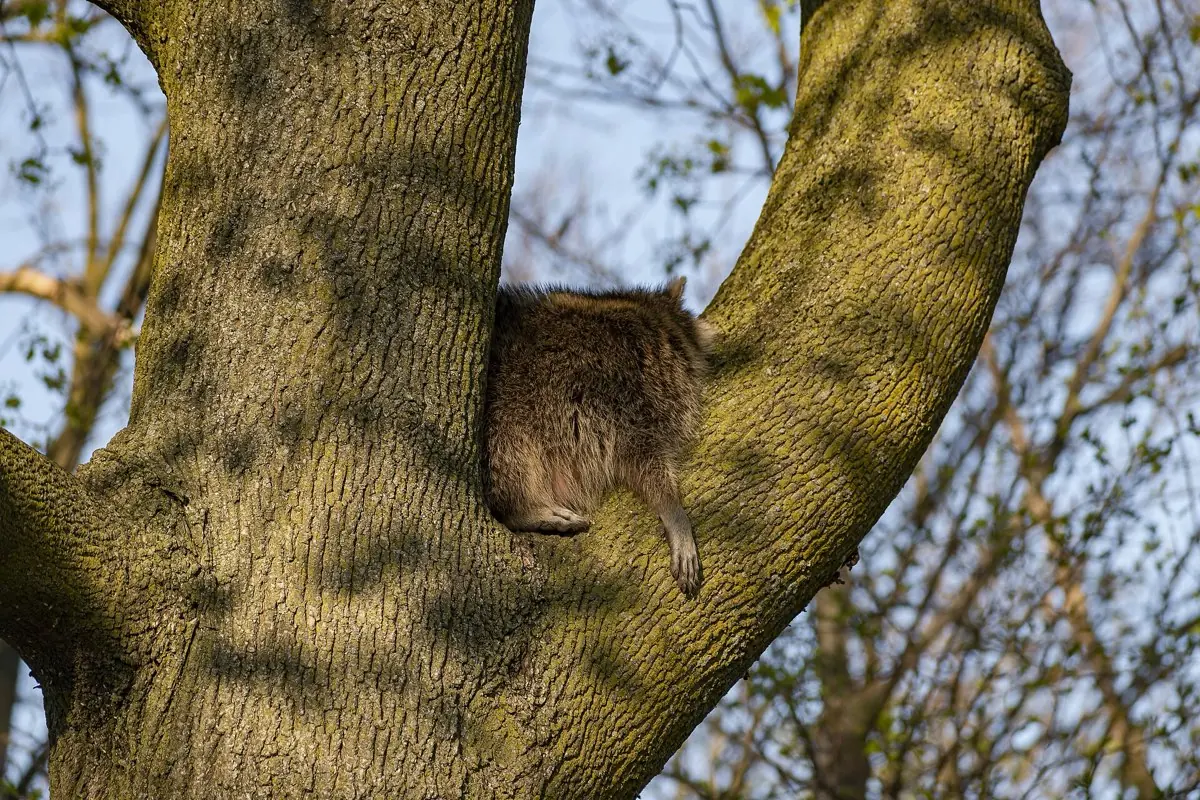
One of Toronto's largest public parks, with walking trails, a zoo, and cherry blossoms each spring.
Visitor guide
High Park is a municipal park of about 161 hectares (roughly 400 acres) in Toronto's west end, running south from Bloor Street West toward The Queensway and Lake Ontario. It combines sports fields, gardens, a small free zoo and a pond with a surprising amount of protected natural land, including a rare oak savannah. It is best known for its cherry blossoms, but the park rewards a visit in any season.
The park began as the country estate of John George Howard, an architect, engineer and surveyor who bought a property here in 1836 for a sheep farm. He and his wife Jemima built Colborne Lodge, a Regency-style cottage, in 1836-37 (sources differ on the exact year); the name High Park is attributed to Jemima, as the lodge sits on high ground above the Humber Bay shoreline.
In 1873 the Howards deeded their country property, described by the City of Toronto as 165 acres (some sources say 120), to the City of Toronto. The deed required that the land be held "for the free use, benefit and enjoyment of the Citizens of Toronto for ever", that alcohol never be served in the park, and that the couple could stay in their home and receive an annual pension. Council accepted the arrangement by a vote of 13 to 2. The park was formed in 1876 by combining that gift with additional land purchased from Percival Ridout, and the remaining acreage, including Colborne Lodge, passed to the city after Howard's death in 1890. Grenadier Pond and surrounding land were bought from the Chapman family in 1930.
Roughly one-third of High Park is kept in a natural state, and its natural areas are designated a provincial Area of Natural and Scientific Interest. The terrain is hilly, with two ravines running north to south. The central plain holds an oak savannah, one of the few such habitats left in Ontario, where many black oaks are reported to be more than 150 years old. City staff and volunteers manage the woodland to mimic natural conditions, using controlled burns and removing non-native plants.
Grenadier Pond, on the western edge, covers about 14 hectares. It takes its name from the British garrison of the Town of York, whose soldiers fished here. The pond has a restored wetland at its northern end and supports fish such as largemouth bass, perch and bluegill, along with waterfowl and herons. Skating there was banned in 2001 and later restored under an ice-monitoring program approved by council in 2015, so always check current conditions.
The first Somei-Yoshino cherry tree was planted in 1959 as a gift from the citizens of Tokyo; more than 2,000 trees were donated in total, with further plantings in 2001 and 2006. The blossoms draw crowds from late April into early May, and the park has closed to cars during the peak period. Bloom timing varies with the weather each year, so treat any date as approximate.
Colborne Lodge is run by the City of Toronto as a historic house museum, with Howard's furnishings and watercolours; check the City for current opening times. Hillside Gardens, east of Grenadier Pond, holds a rock garden and sunken gardens with fountains. The High Park Zoo has paddocks of animals including bison, capybaras, llamas, emus and yaks. In summer the Canadian Stage Company presents Shakespeare in High Park in the amphitheatre. Grenadier Cafe has operated since 1958, and because of Howard's condition, the park is often described as a place where alcohol is not sold.
The park also has a large off-leash dog area, tennis courts, ball diamonds, a Nature Centre, and the volunteer-built Jamie Bell Adventure Playground. Two capybaras that escaped from the zoo in 2016 became a local news story before both were recaptured.
Humber Bay and the Martin Goodman Trail lie to the south, and Bloor West Village and the Roncesvalles neighbourhood are close by for a meal after your walk.
See every tour and attraction we cover in Toronto.