TorontoOntario · 36 tours
 Niagara FallsOntario · 25 tours
 New York CityNew York · 30 tours
 Las VegasNevada · 8 tours
 San FranciscoCalifornia · 16 tours
 VancouverBritish Columbia · 17 tours
 DubaiUAE · 54 tours
 Abu DhabiUAE · 5 tours
 Buenos AiresArgentina · 23 tours
 AthensGreece · 31 tours
 AucklandNew Zealand · 38 tours
 CancunMexico · 54 tours
No destinations match “”. Try searching all tours instead — that search understands full questions, not just place names.
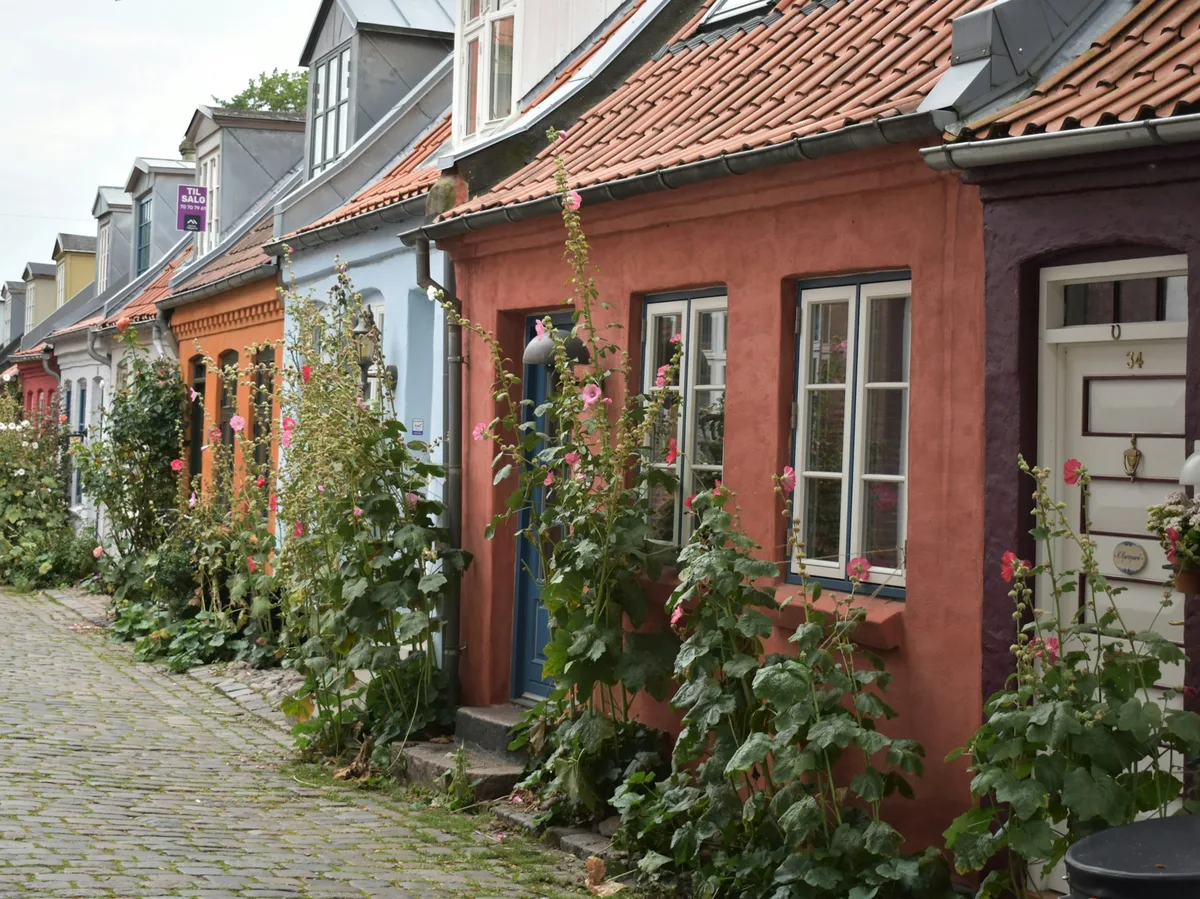
An open-air museum of relocated historic buildings recreating a Danish market town, one of Aarhus's best-known attractions.
Visitor guide
Den Gamle By, meaning The Old Town, is an open-air town museum in the Botanical Gardens of central Aarhus, Denmark. It reassembles historic buildings from around the country into a town and focuses on urban life rather than village life.
The museum opened in 1914 as the first open-air museum of its kind in Denmark. Its founder, Peter Holm, a local teacher and translator, served as director from 1914 to 1945 and saved around fifty historic buildings from demolition. Wikipedia notes that its infobox gives 1919 as the establishment date, which conflicts with the 1914 opening described in the history section. The first building was the Mayor's House, built around 1597 and one of the most significant Danish half-timbered Renaissance houses. It originally stood on Immervad in Aarhus, where the Magasin store is today, and was dismantled rather than destroyed, shown at the Danish National Exhibition in Aarhus in 1909, and moved to the museum site in 1914.
Today the town contains about 75 buildings from 20 Danish towns, with more in storage. The oldest is a storage house from Aalborg dating from around 1550, and most buildings date from the mid-18th to early 19th centuries, mainly in half-timbered Renaissance style. The Coin Master's Mansion from Copenhagen, from about 1683, was taken down in 1944 and rebuilt at the museum between 1998 and 2009. The Aalborg Estate comprises five buildings and now houses a brewery. The town includes homes, around 34 workshops, shops, a post office, a customs office, a school, a theatre, watermills and a windmill.
Five regular exhibitions sit within the town: a Danish clock museum, a toy museum with about 6,000 toys from the 19th century to the 1960s, a silverware exhibition, a pottery exhibition and a textile museum. Five historical gardens represent periods from the mid-17th to the early 20th century, including a Renaissance garden of 1647 based on Hans Rasmussen Block's book Horticultura Danica and a Baroque pharmacy garden of around 1750 with 91 squares of medicinal plants. Staff in period costume play town roles such as merchants and blacksmiths, and special themed exhibits change each year. The town has six shops and five cafes that double as small exhibits on past methods of work. The silverware collection includes works by 310 smiths from 44 towns, and the textile museum is spread across the town to show how textiles were used in homes. Ms. Wahlstrom's garden of 1920 is a small grass garden of herbs, lavender, roses and fruit trees.
The museum's name has changed over time, from The Old Mayor's House to Township Museum the Old Town after 1923, and to The Old Town, Township Museum of Denmark in 1995. According to Wikipedia it receives more than 400,000 visitors a year and is among the few highly rated Danish museums outside Copenhagen.
Because the museum sits close to central Aarhus, a private guided visit with a driver can combine it with the city's cathedral and old town.
See every tour and attraction we cover in Denmark.