TorontoOntario · 36 tours
 Niagara FallsOntario · 25 tours
 New York CityNew York · 30 tours
 Las VegasNevada · 8 tours
 San FranciscoCalifornia · 16 tours
 VancouverBritish Columbia · 17 tours
 DubaiUAE · 54 tours
 Abu DhabiUAE · 5 tours
 Buenos AiresArgentina · 23 tours
 AthensGreece · 31 tours
 AucklandNew Zealand · 38 tours
 CancunMexico · 54 tours
No destinations match “”. Try searching all tours instead — that search understands full questions, not just place names.
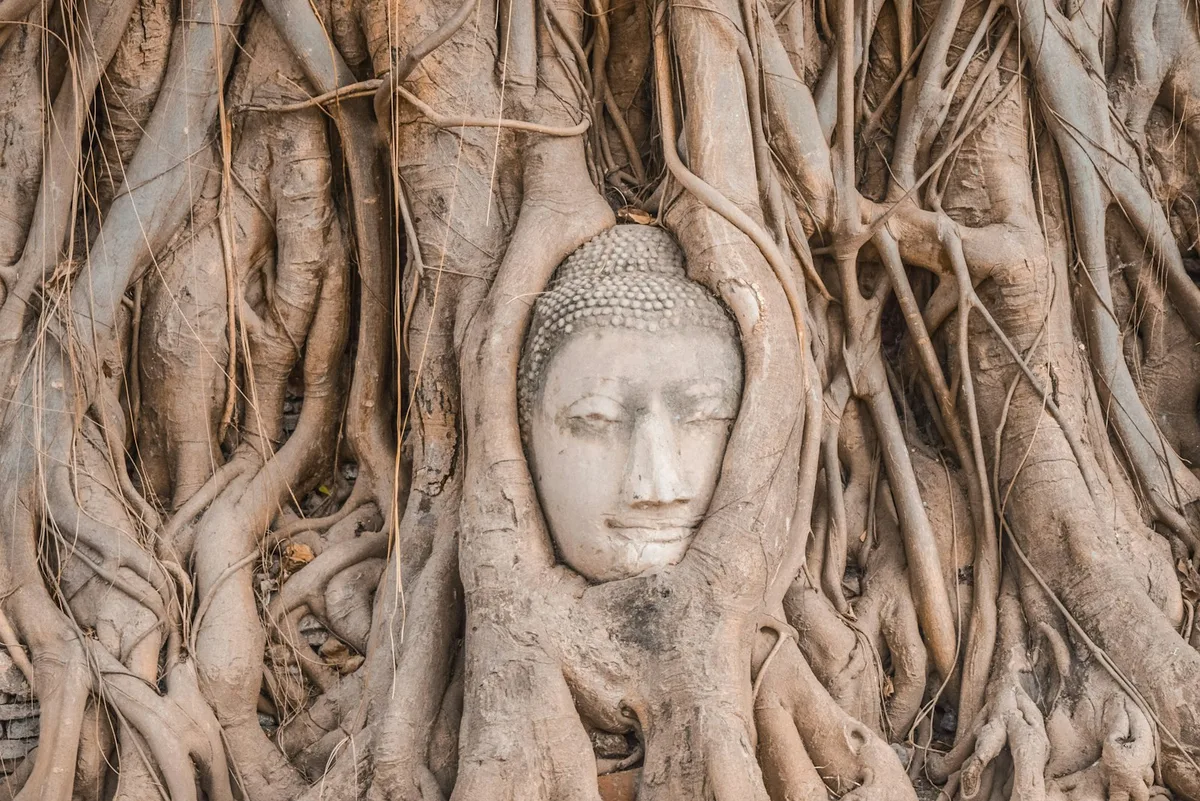
The ruined former capital of the Kingdom of Siam, a UNESCO World Heritage Site of temple ruins including the stone Buddha head famously entwined in banyan tree roots at Wat Mahathat.
 Multi-Day Tours
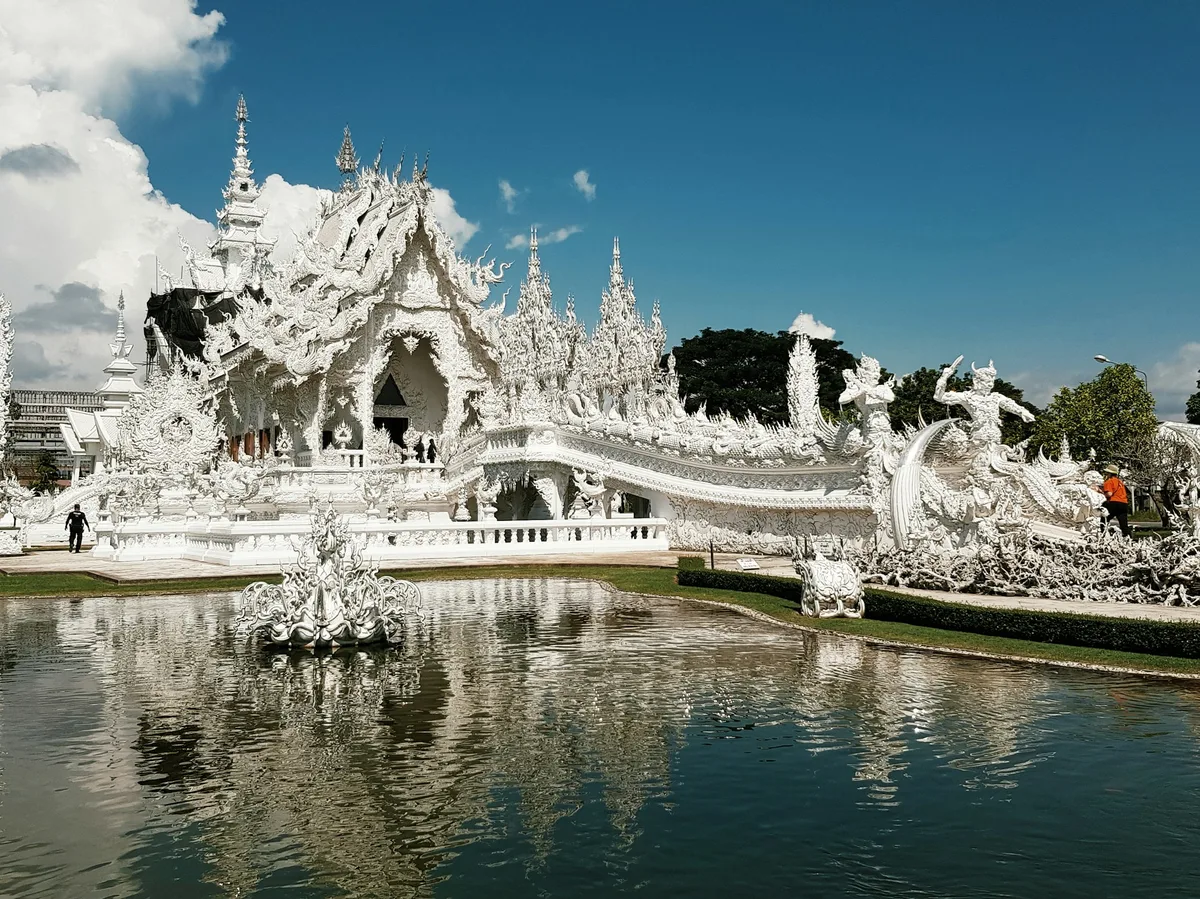
A 12-day route through Thailand's history and far north that Voyzo's other Thailand itineraries don't cover — the Death Railway and Hellfire Pass near Kanchanaburi, the ancient capital of Ayutthaya, the Golden Triangle and White Temple near Chiang Rai — before Chiang Mai and beach time in Phuket.
 Multi-Day Tours
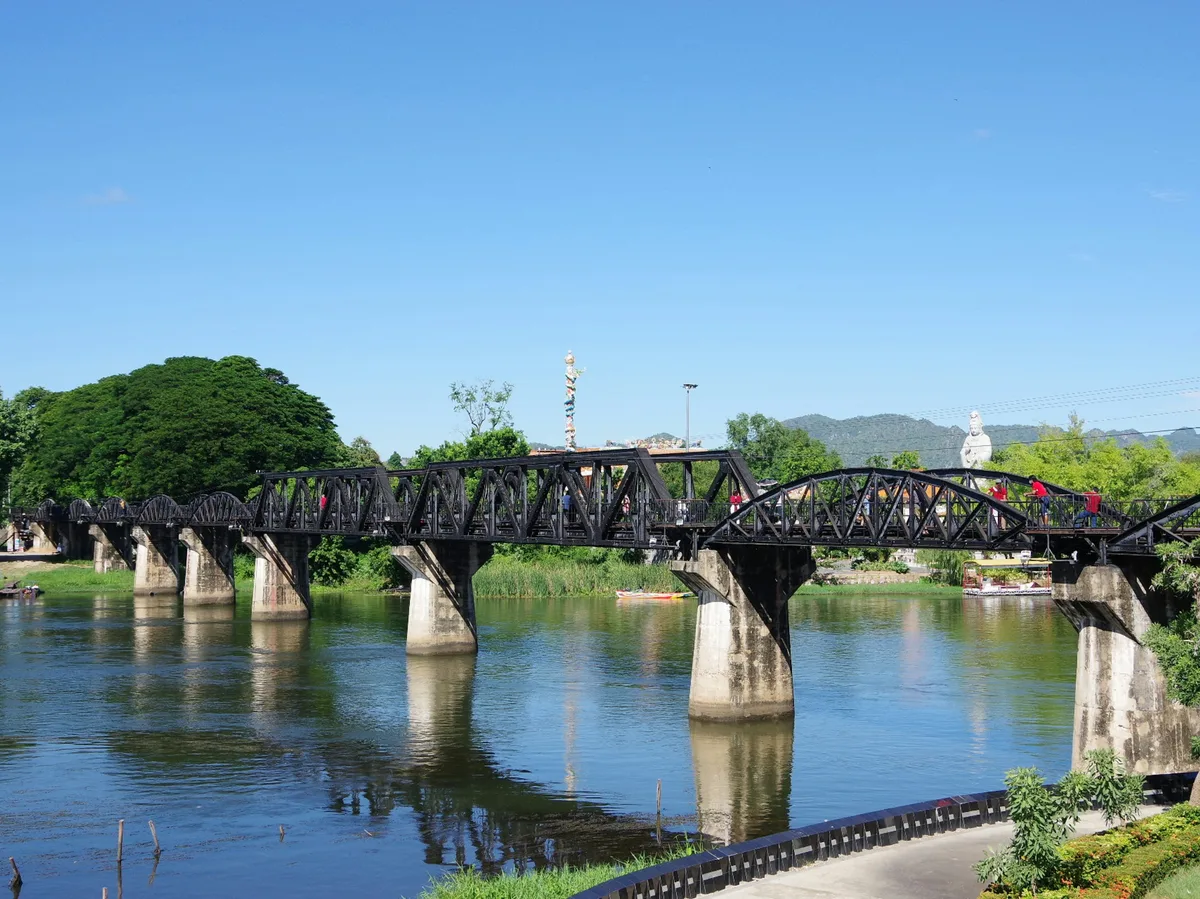
A compact, 7-day central-Thailand history trip with no beach extension — Bangkok's Grand Palace and khlongs, the ancient capital of Ayutthaya, and Kanchanaburi's Bridge on the River Kwai, Hellfire Pass, and Don Rak War Cemetery.
Visitor guide
Ayutthaya Historical Park preserves the ruins of the old capital of the Ayutthaya Kingdom in Phra Nakhon Si Ayutthaya Province, central Thailand. Part of the park is inscribed as a UNESCO World Heritage Site, and its brick prangs, chedis and monastery foundations recall a city that was one of Southeast Asia's major trading capitals before its destruction in 1767.
According to Wikipedia, King Ramathibodi I founded the city in 1351, and the Fine Arts Department has calculated the date as 4 March of that year. The area was probably settled earlier, and Wat Mahathat shows evidence of earlier occupation. The city grew on an island shaped by a system of rivers, with settlement on riverside levees that left it regularly exposed to flooding. Persian merchants reportedly called it the new city, and it appears on a 15th-century European map as Scierno.
Ayutthaya developed into a cosmopolitan trading centre. Portuguese became a major diplomatic language from the early 16th century, the Dutch East India Company signed a treaty in 1664, and under King Narai in the late 17th century French influence was strong, including an embassy to Louis XIV in 1686. Chinese trade and communities also grew. The Wikipedia article on the kingdom describes the late period as a golden age of Siamese culture.
Burmese forces captured the city in 1569, though it was not pillaged and soon regained its independence. After invasions in the 1760s and a siege lasting about fourteen months, Burmese armies took the city in April 1767 and destroyed it, ending a kingdom that had lasted 417 years. Authority later moved to Thonburi and then Bangkok. Thailand's Fine Arts Department began renovating the ruins in 1969, declared the area a historical park in 1976, and in 1991 UNESCO inscribed part of it on the World Heritage List under cultural criterion iii.
The World Heritage core zone includes Wat Mahathat, Wat Ratchaburana, Wat Phra Si Sanphet, Wat Phra Ram, Wat Thammikarat, Wat Lokayasutharam, Wihan Phra Mongkhon Bopit and the memorial chedi of Queen Suriyothai. Further sites such as Wat Chaiwatthanaram, Wat Phanan Choeng and Wat Yai Chai Mongkhon lie in the surrounding buffer zone. Wikipedia notes that Wat Mahathat is famed for a stone Buddha head held in the roots of a tree, and that Wat Chaiwatthanaram contains rows of headless Buddha statues. Wat Phra Si Sanphet is recognisable by its row of chedis. Khmer-style stonework appears at Wat Mahathat, a reminder of the city's layered influences.
The ruins are spread across a wide area, so many travellers use a vehicle to move between temple groups, and some add a boat trip on the surrounding rivers. A private guided visit with a dedicated driver suits those who want context for each temple; itineraries are tailored on request. The ruins are generally explored in light, comfortable clothing, with shoulders and knees covered when entering active religious spaces.
See every tour and attraction we cover in Thailand.