 TorontoOntario · 17 tours
 Niagara FallsOntario · 17 tours
 New York CityNew York · 8 tours
 Las VegasNevada · 8 tours
 San FranciscoCalifornia · 16 tours
 VancouverBritish Columbia · 17 tours
 DubaiUAE · 44 tours
 Abu DhabiUAE · 5 tours
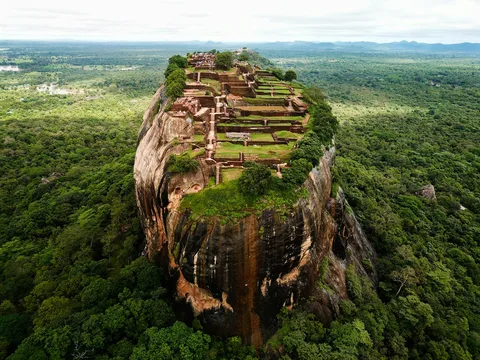 Sri LankaSri Lanka · 16 tours
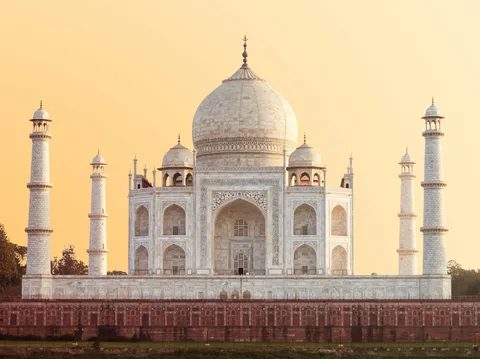 IndiaIndia · 13 tours
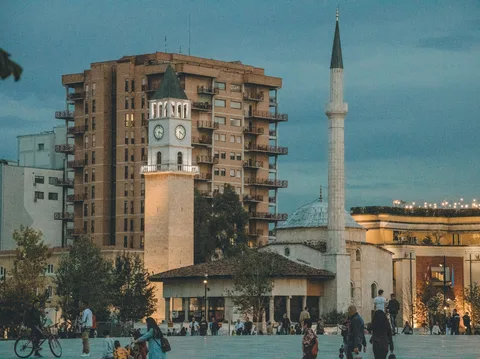 AlbaniaAlbania · 10 tours
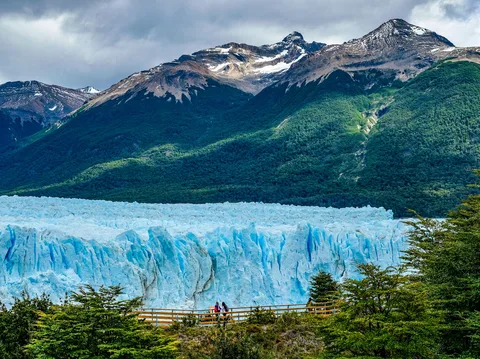 ArgentinaArgentina · 8 tours
No destinations match “”.
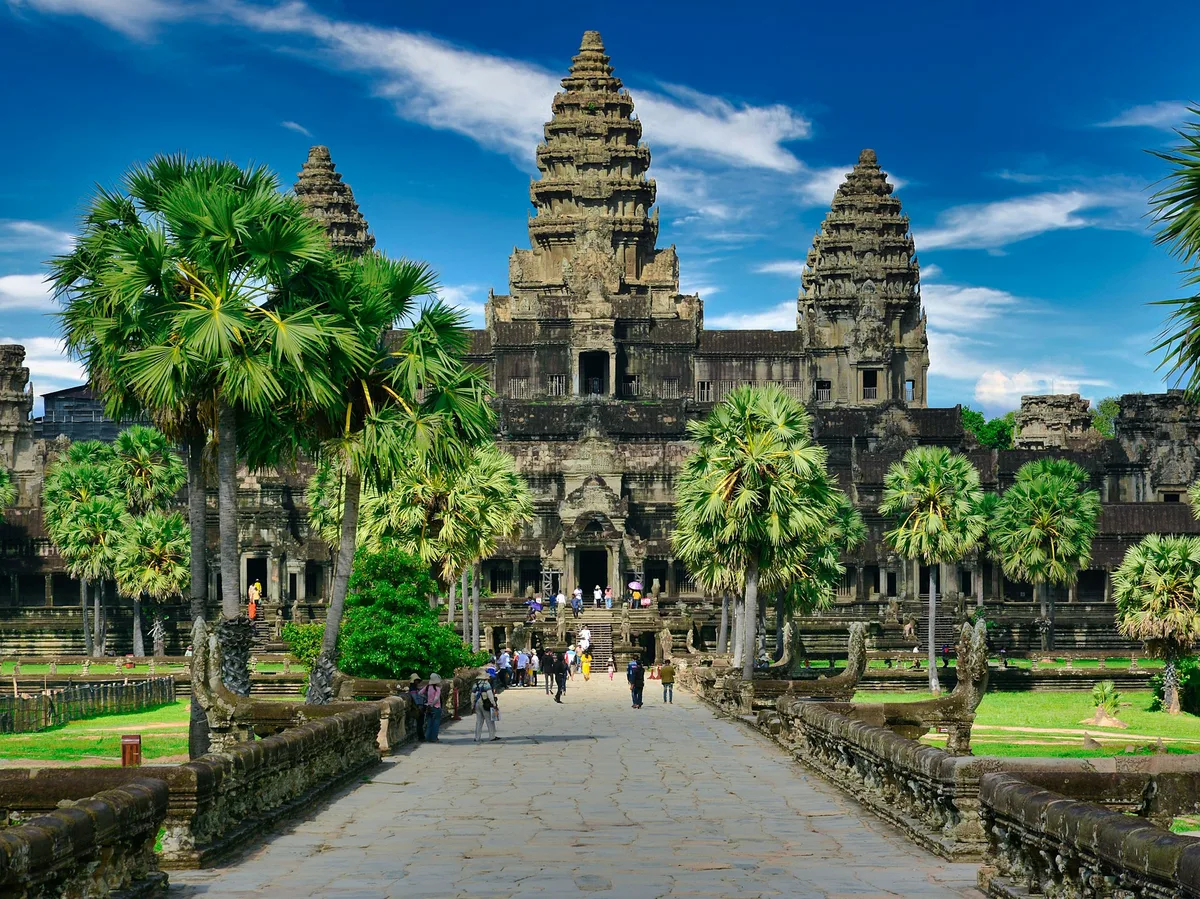
Voyzo runs 4 private tours in Cambodia, covering 10 top attractions — each with your own guide, driver, and vehicle, and an itinerary built around your group rather than a fixed bus schedule.
Cambodia is anchored by the temples of Angkor — Angkor Wat, the Bayon's carved stone faces, and the jungle-wrapped ruins of Ta Prohm — alongside the daily rhythms of the Mekong and Tonlé Sap Lake, where floating villages and rice-paddy countryside meet the history and street life of Phnom Penh.
Several of our Cambodia routes continue on into neighboring Laos, Vietnam, and Thailand for travelers building a longer Southeast Asia trip — every night's hotel and routing across borders is honestly disclosed on each tour page, so you always know exactly which country you're in.
Multi-Day Tours Popular Pick
A 9-day journey through Cambodia's ancient Angkor temples, the floating villages of Tonlé Sap, Phnom Penh's history, and a restful finish on the Sihanoukville coast.
 Multi-Day Tours
A 12-day route from the temples of Angkor and the history of Phnom Penh into Laos, taking in Vientiane, Vang Vieng, and UNESCO-listed Luang Prabang.
 Multi-Day Tours
A grand 23-day sweep across four countries — Thailand, Laos, Cambodia, and Vietnam — pairing Angkor Wat and Phnom Penh with Bangkok, Luang Prabang, Ho Chi Minh City, and Ha Long Bay.
 Multi-Day Tours
A 9-day pairing of Cambodia's Angkor temples and Tonlé Sap floating villages with Laos's Luang Prabang, its waterfalls, and a Mekong-tributary kayaking route.
Every Cambodia tour is matched to your party size — here's the fleet we draw from for this region.
| Vehicle | Model | Capacity | Best For |
|---|---|---|---|
| Private Car / SUV | Toyota Camry or similar SUV | Up to 5 guests | A comfortable, air-conditioned private car for couples or small families touring Siem Reap, Phnom Penh, and beyond. |
| Toyota Hiace Van | Toyota Hiace, air-conditioned | Up to 12 guests | A spacious, air-conditioned van ideal for small groups and families traveling together between Cambodia's cities and temple sites. |
| Mini-Coach | Hyundai County mini-coach | Up to 25 guests | A roomy, air-conditioned mini-coach suited to larger groups touring Angkor, Phnom Penh, and the Cambodian coast together. |
Popular stops our guides build into Cambodia itineraries — tap any attraction to learn more.
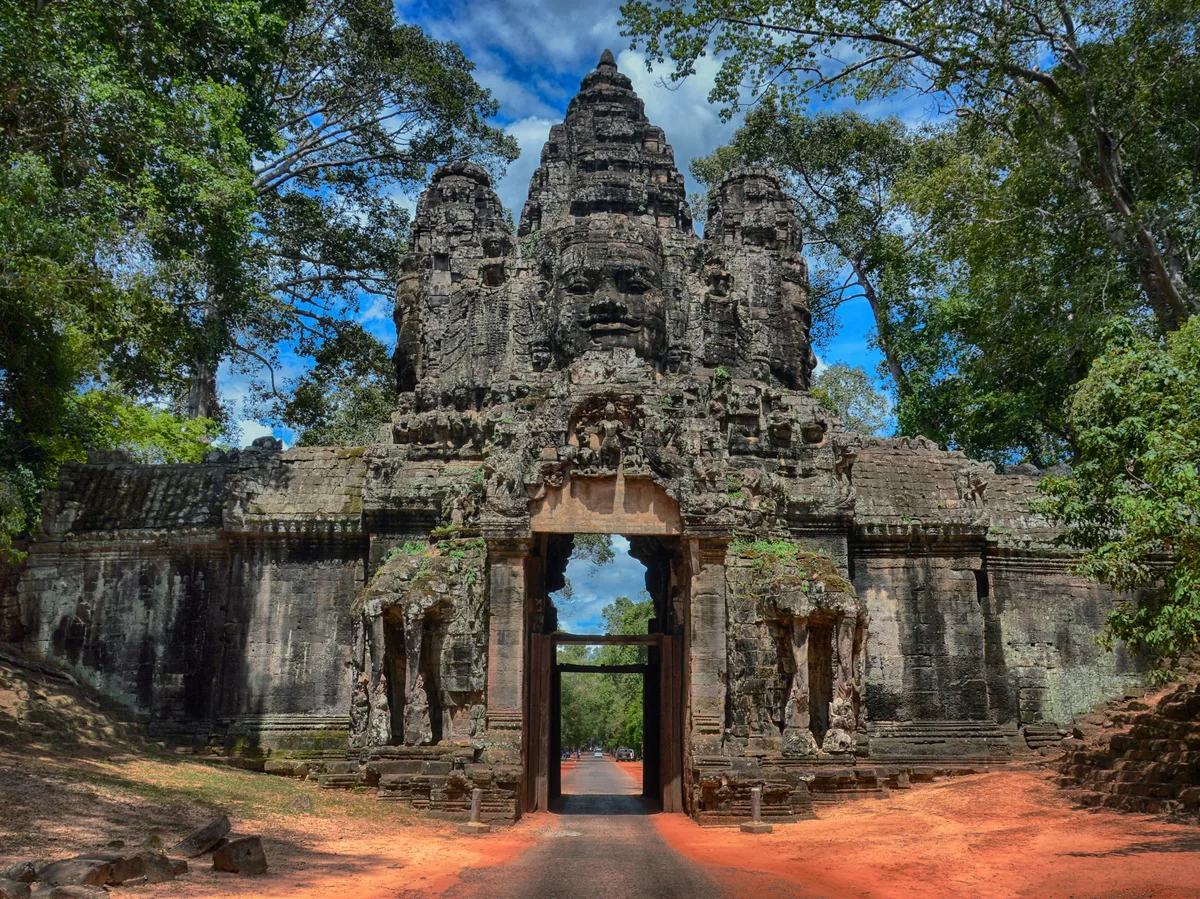 Angkor Wat
Cambodia
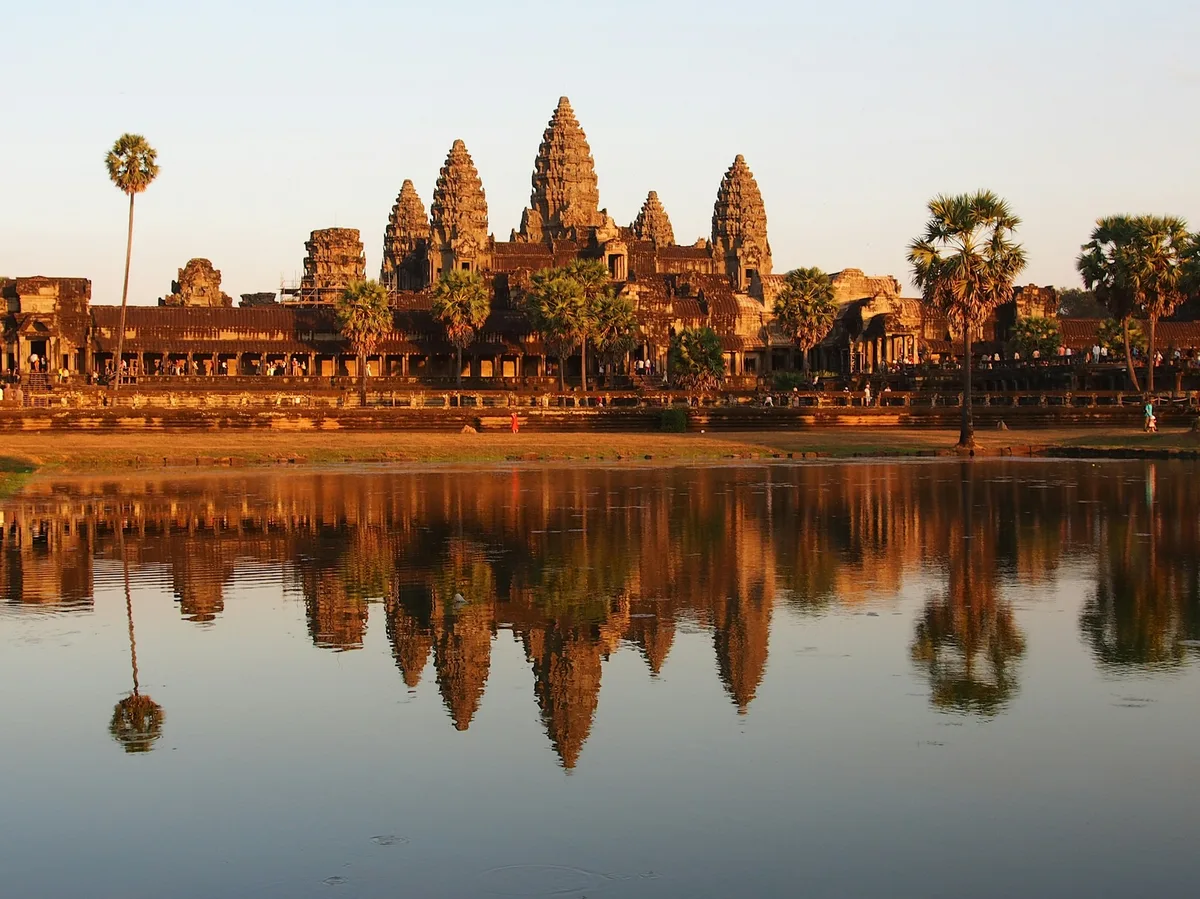
The largest religious monument in the world and the spiritual heart of the Khmer Empire, this 12th-century temple complex near Siem Reap is renowned for its towering spires, moat, and intricate bas-relief carvings.
2
Angkor Wat
Cambodia
The largest religious monument in the world and the spiritual heart of the Khmer Empire, this 12th-century temple complex near Siem Reap is renowned for its towering spires, moat, and intricate bas-relief carvings.
2
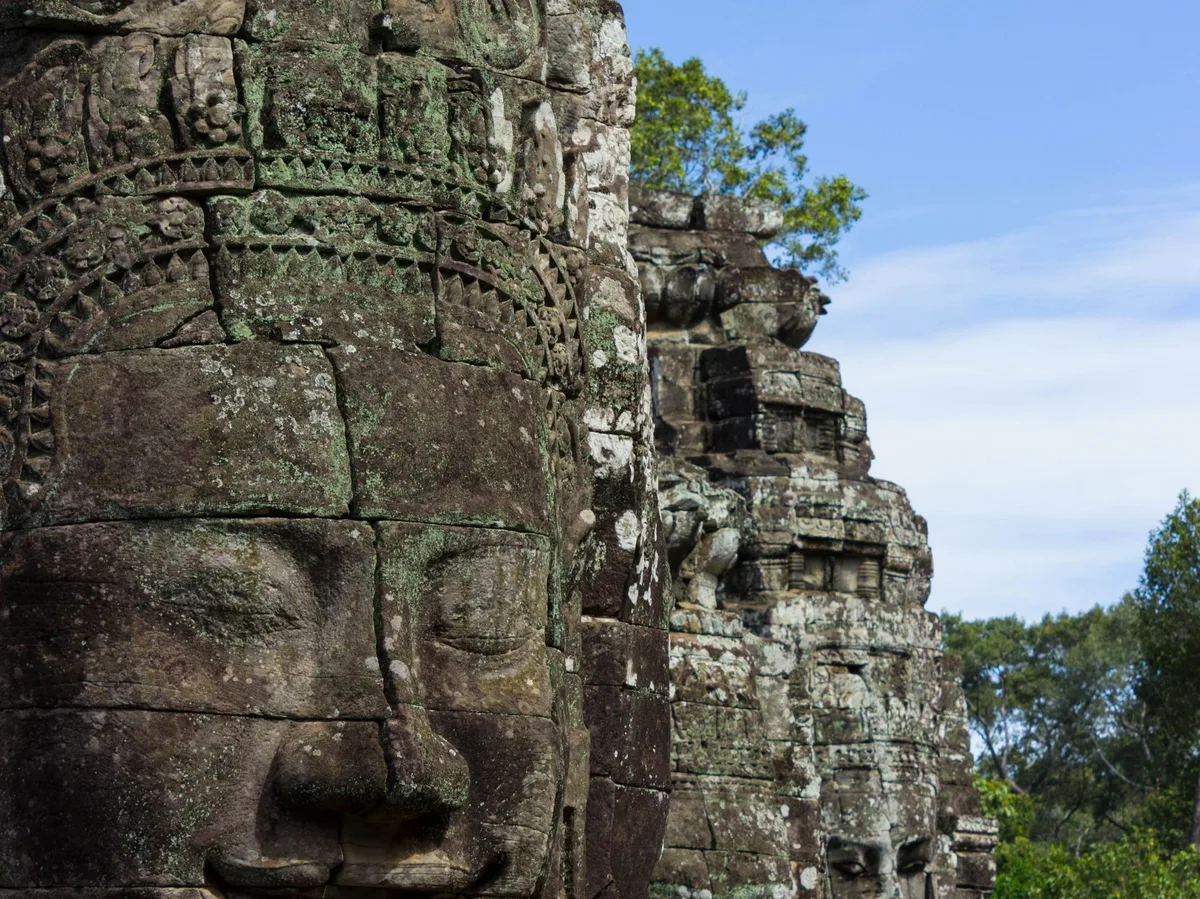 Angkor Thom & the Bayon Temple
Cambodia
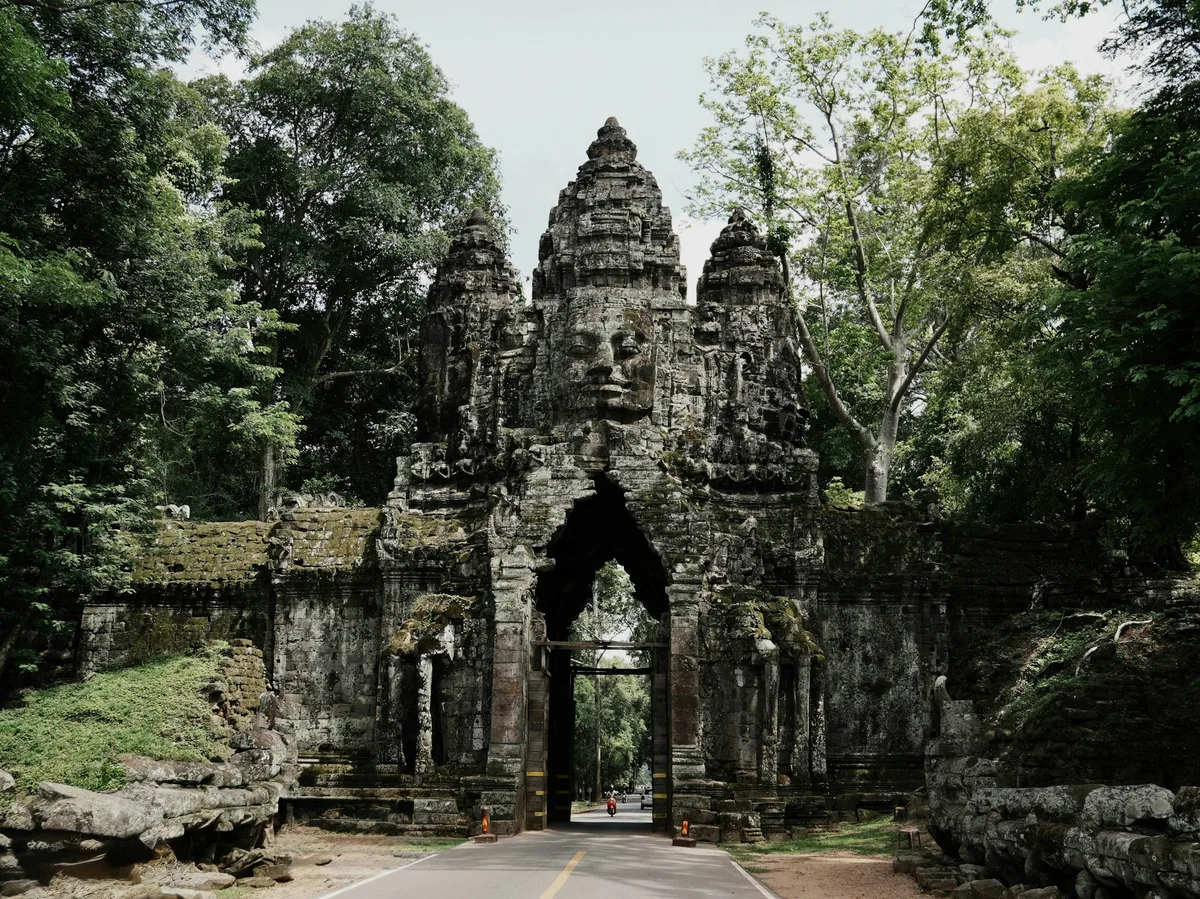
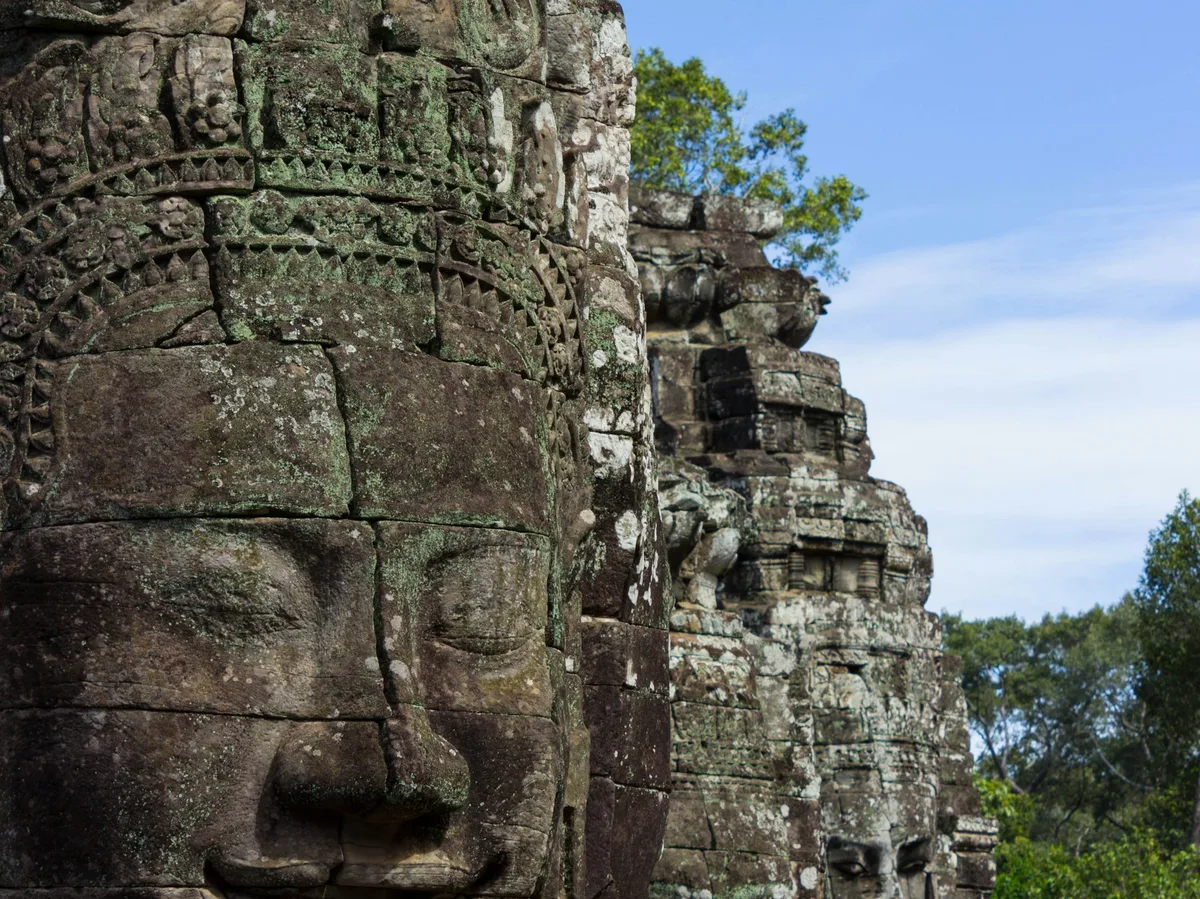
The last great capital of the Khmer Empire, Angkor Thom is famed for the Bayon temple at its center, whose towers are carved with dozens of serene, giant stone faces.
3
Angkor Thom & the Bayon Temple
Cambodia
The last great capital of the Khmer Empire, Angkor Thom is famed for the Bayon temple at its center, whose towers are carved with dozens of serene, giant stone faces.
3
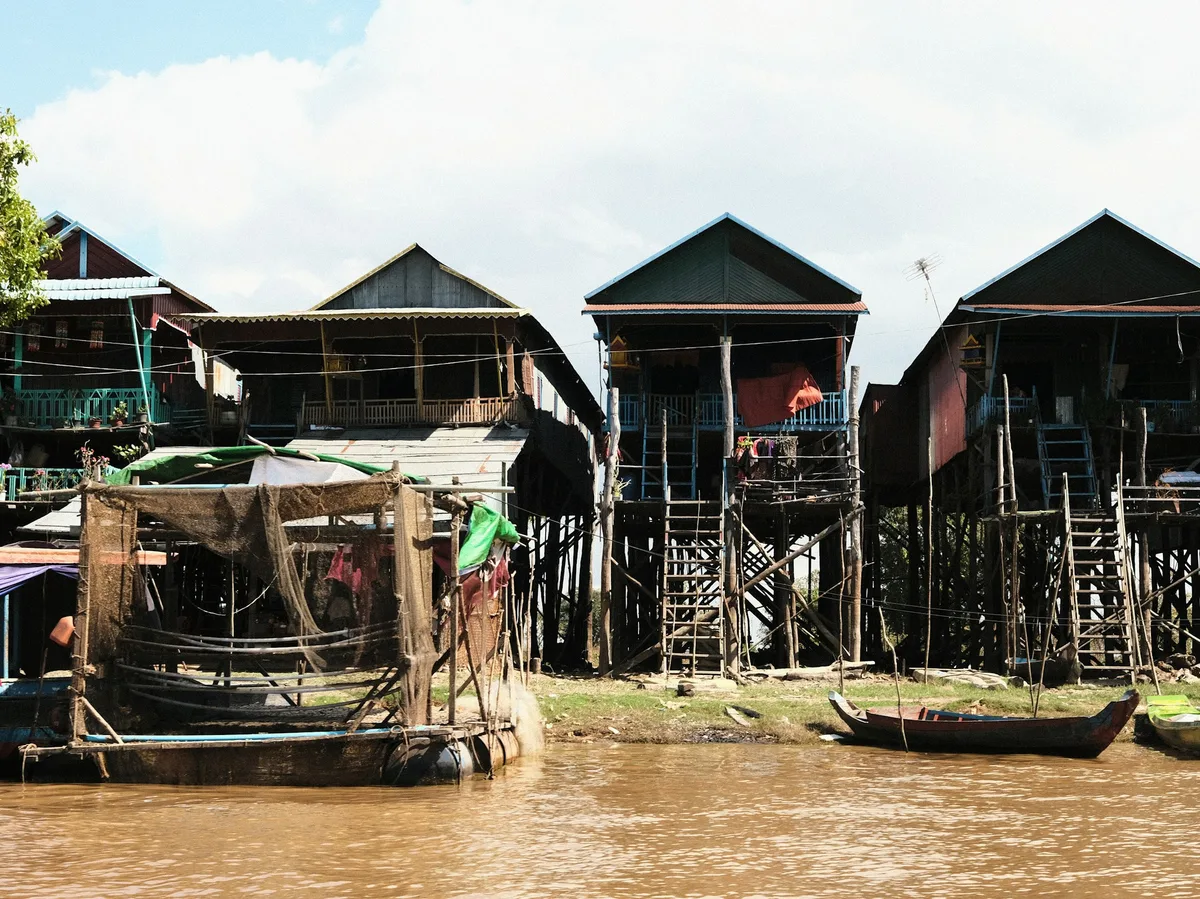 Tonlé Sap Lake
Cambodia
Southeast Asia's largest freshwater lake, home to floating and stilt villages where communities fish, farm, and trade on the water — a striking window into rural Cambodian life.
4
Tonlé Sap Lake
Cambodia
Southeast Asia's largest freshwater lake, home to floating and stilt villages where communities fish, farm, and trade on the water — a striking window into rural Cambodian life.
4
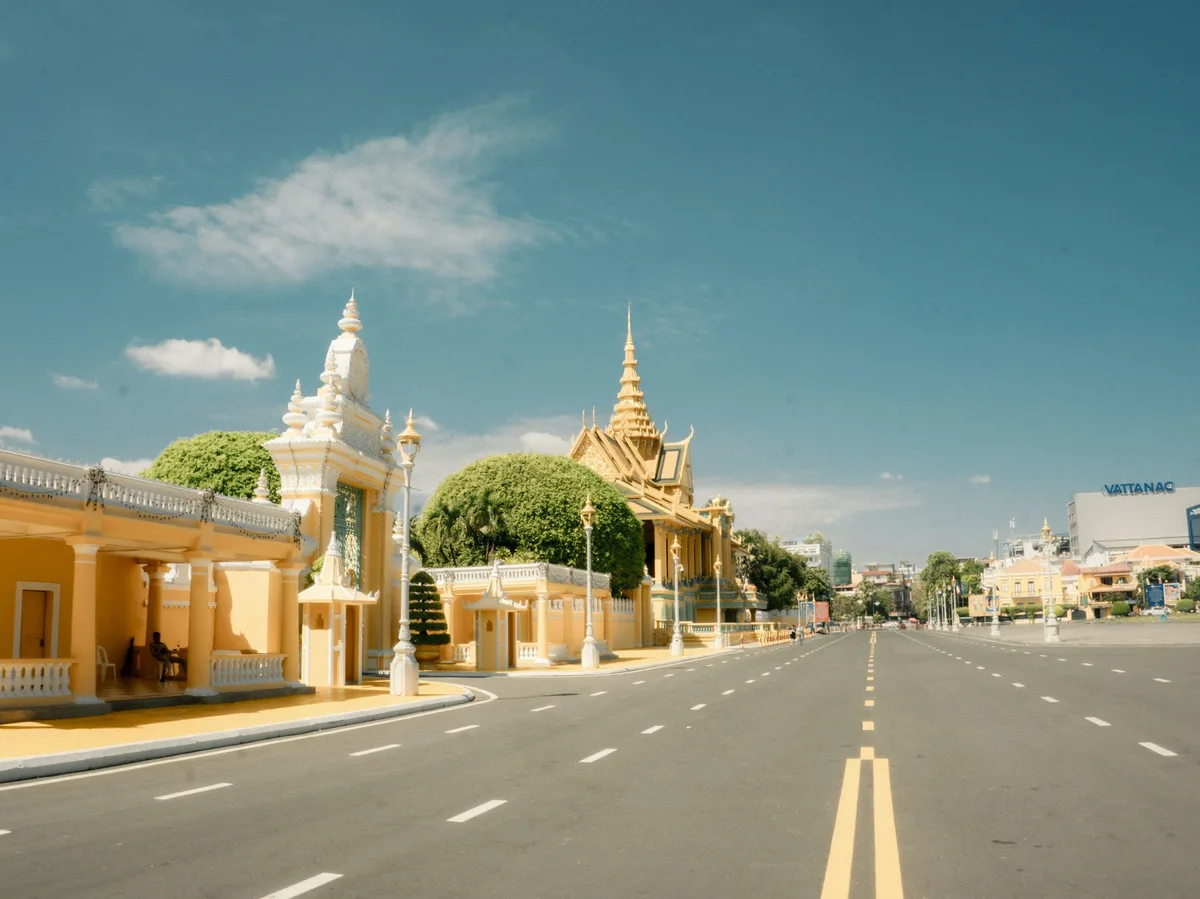 Royal Palace & Silver Pagoda, Phnom Penh
Cambodia
The official residence of the King of Cambodia since 1866, this riverside complex in Phnom Penh includes the Silver Pagoda, named for its floor of 5,000 silver tiles and home to a revered Emerald Buddha statue.
5
Royal Palace & Silver Pagoda, Phnom Penh
Cambodia
The official residence of the King of Cambodia since 1866, this riverside complex in Phnom Penh includes the Silver Pagoda, named for its floor of 5,000 silver tiles and home to a revered Emerald Buddha statue.
5
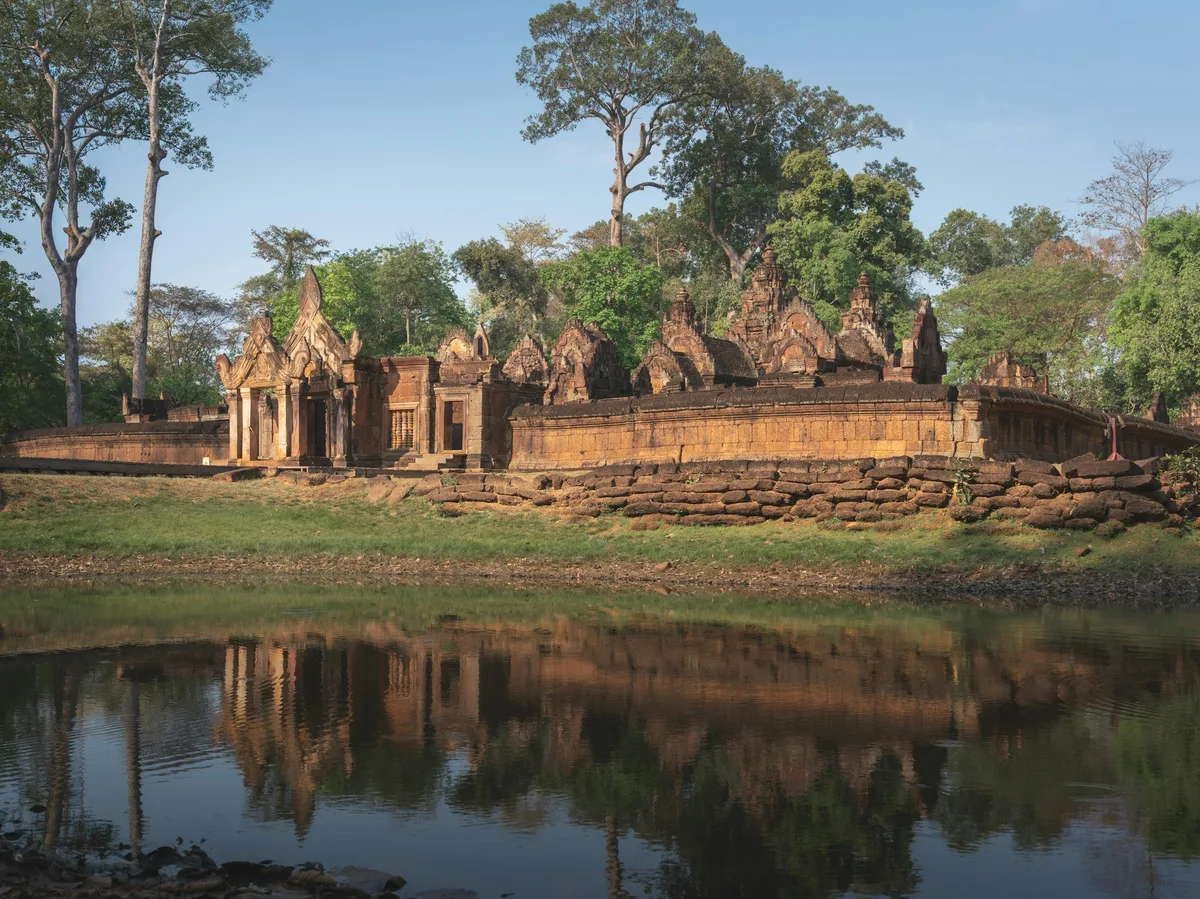 Banteay Srei
Cambodia
A 10th-century temple dedicated to the Hindu god Shiva, built from pink sandstone and celebrated for some of the most intricate, well-preserved carvings of the entire Angkor era.
6
Banteay Srei
Cambodia
A 10th-century temple dedicated to the Hindu god Shiva, built from pink sandstone and celebrated for some of the most intricate, well-preserved carvings of the entire Angkor era.
6
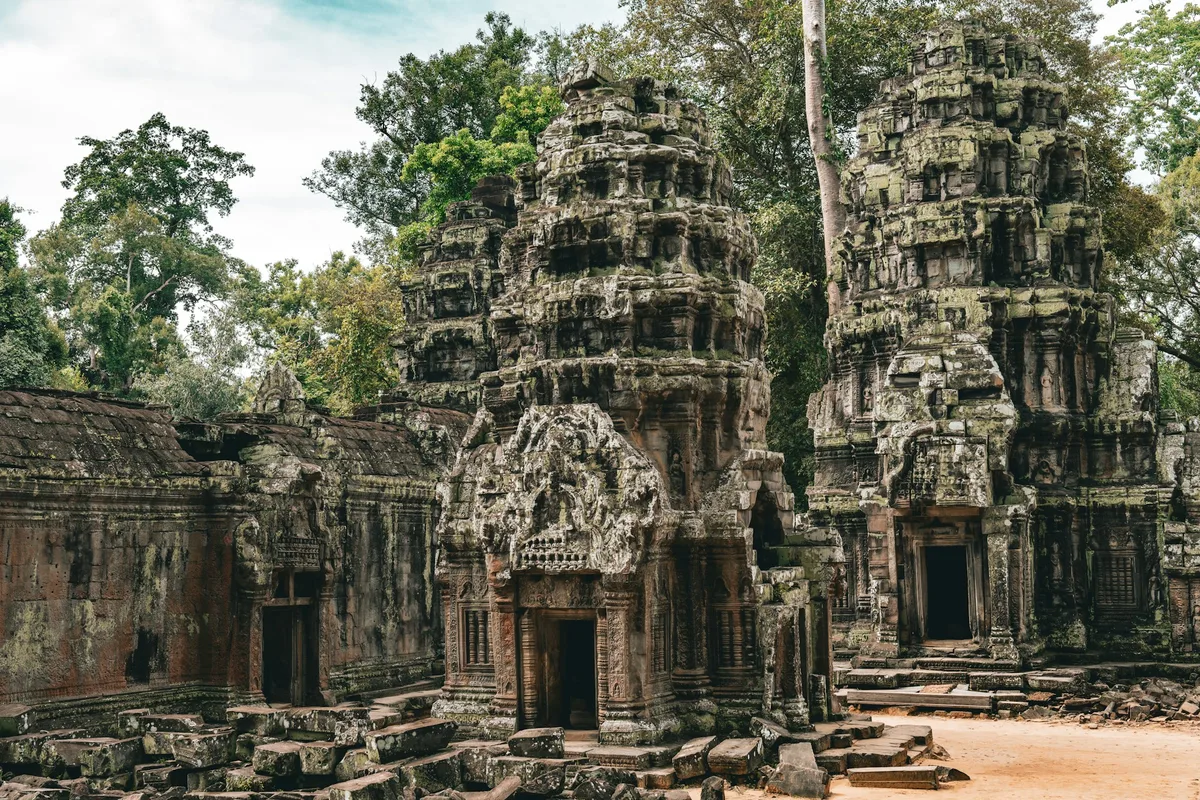 Ta Prohm
Cambodia
A 12th-century Angkor-era temple left largely as it was found, with giant silk-cotton and strangler fig tree roots grown through and over its stone galleries — the temple most associated with Angkor's jungle-reclaimed look.
7
Ta Prohm
Cambodia
A 12th-century Angkor-era temple left largely as it was found, with giant silk-cotton and strangler fig tree roots grown through and over its stone galleries — the temple most associated with Angkor's jungle-reclaimed look.
7
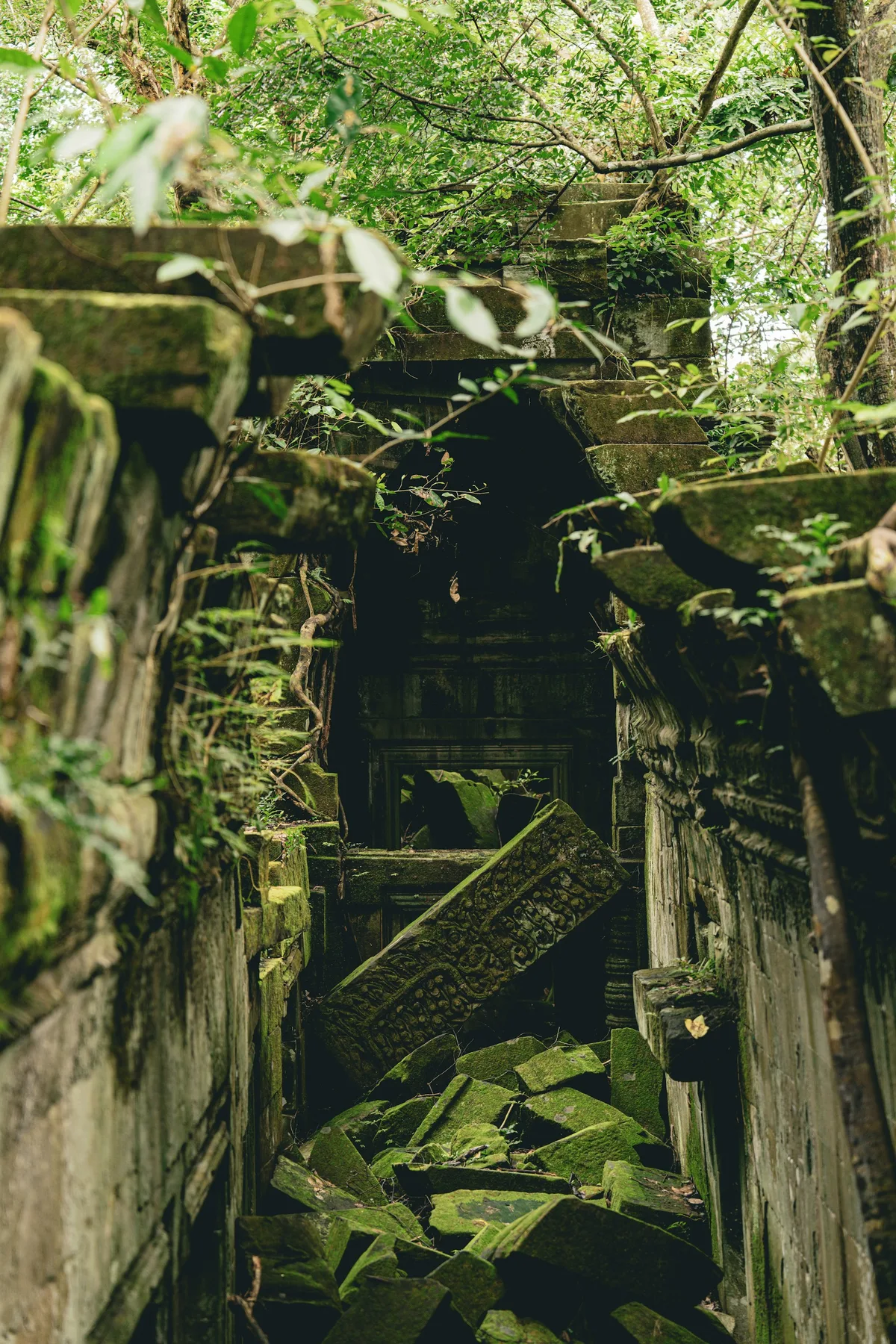 Beng Mealea
Cambodia
A 12th-century temple built to the same floor plan as Angkor Wat but left unrestored, roughly 40 km east of the main Angkor complex, with its sandstone galleries collapsed and overtaken by jungle.
8
Beng Mealea
Cambodia
A 12th-century temple built to the same floor plan as Angkor Wat but left unrestored, roughly 40 km east of the main Angkor complex, with its sandstone galleries collapsed and overtaken by jungle.
8
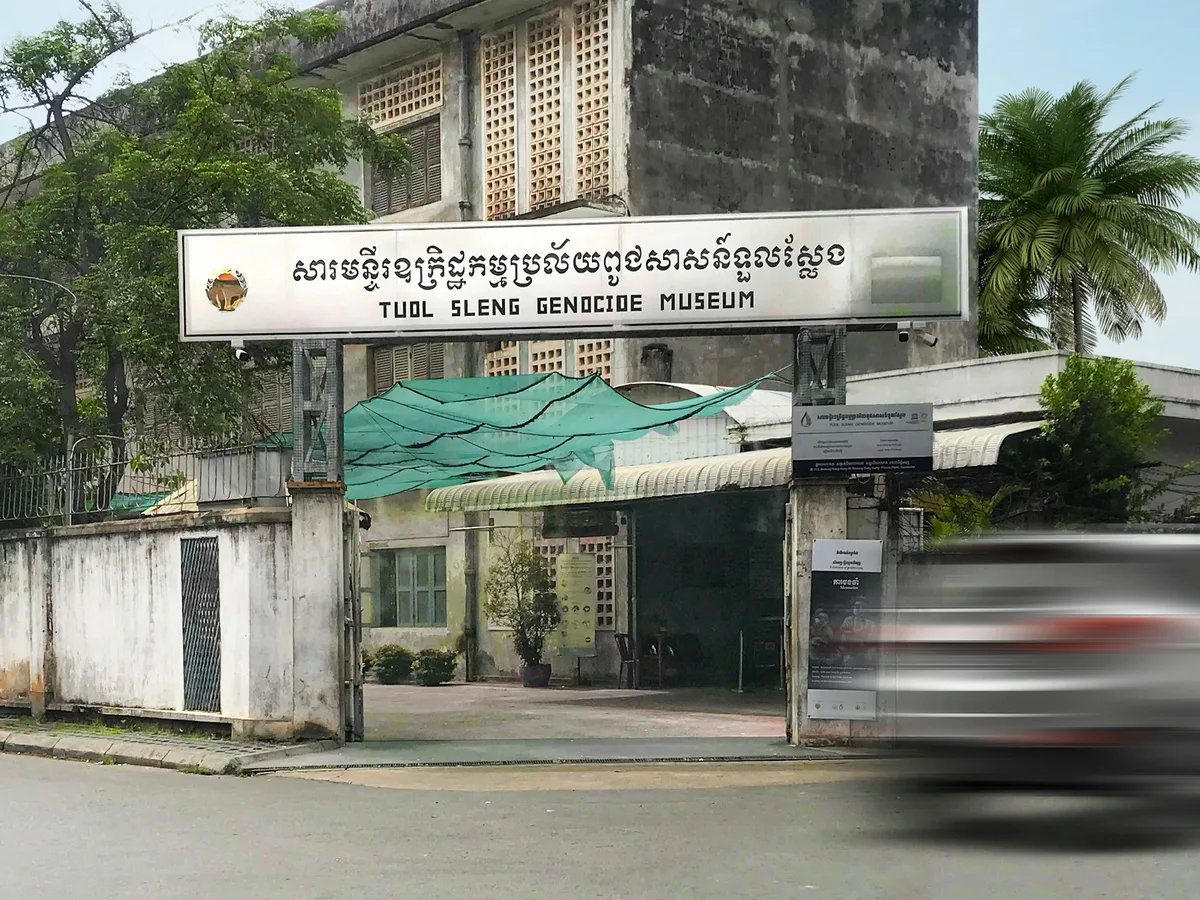 Tuol Sleng Genocide Museum
Cambodia
A former high school in Phnom Penh converted into the S-21 prison during the Khmer Rouge era, preserved today as a museum documenting Cambodia's 1970s genocide.
9
Tuol Sleng Genocide Museum
Cambodia
A former high school in Phnom Penh converted into the S-21 prison during the Khmer Rouge era, preserved today as a museum documenting Cambodia's 1970s genocide.
9
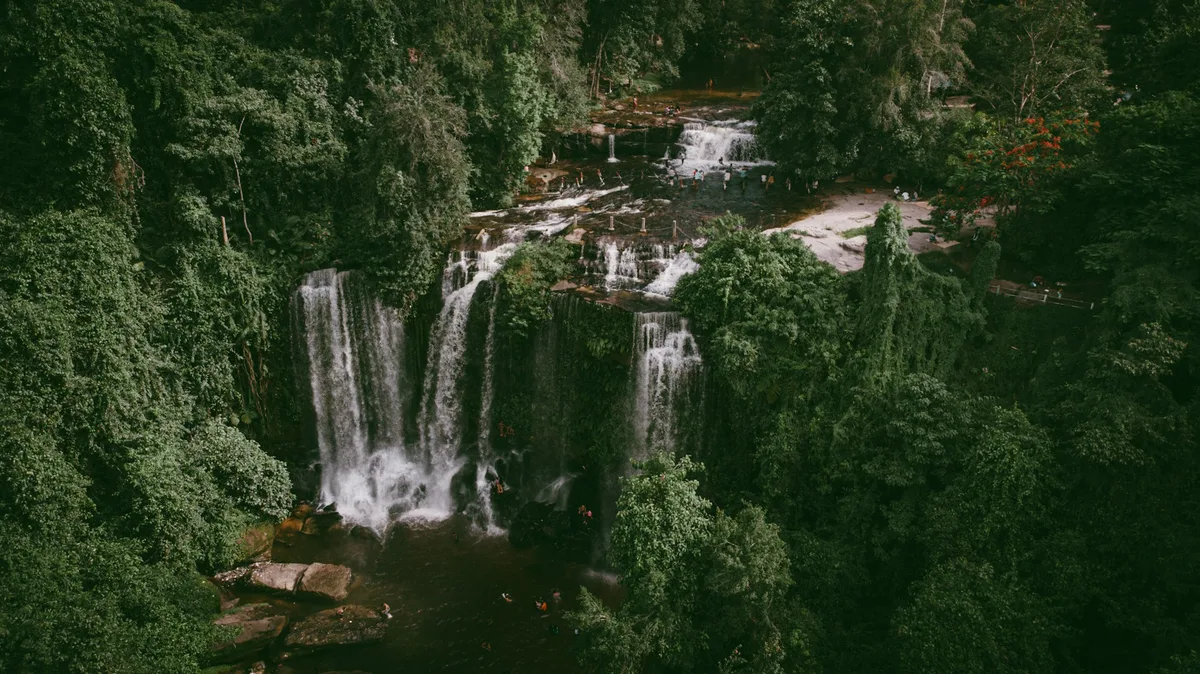 Phnom Kulen National Park
Cambodia
A forested mountain plateau considered the birthplace of the ancient Khmer Empire, where King Jayavarman II declared independence in the 9th century, now protecting waterfalls, river carvings, and sacred sites.
10
Phnom Kulen National Park
Cambodia
A forested mountain plateau considered the birthplace of the ancient Khmer Empire, where King Jayavarman II declared independence in the 9th century, now protecting waterfalls, river carvings, and sacred sites.
10
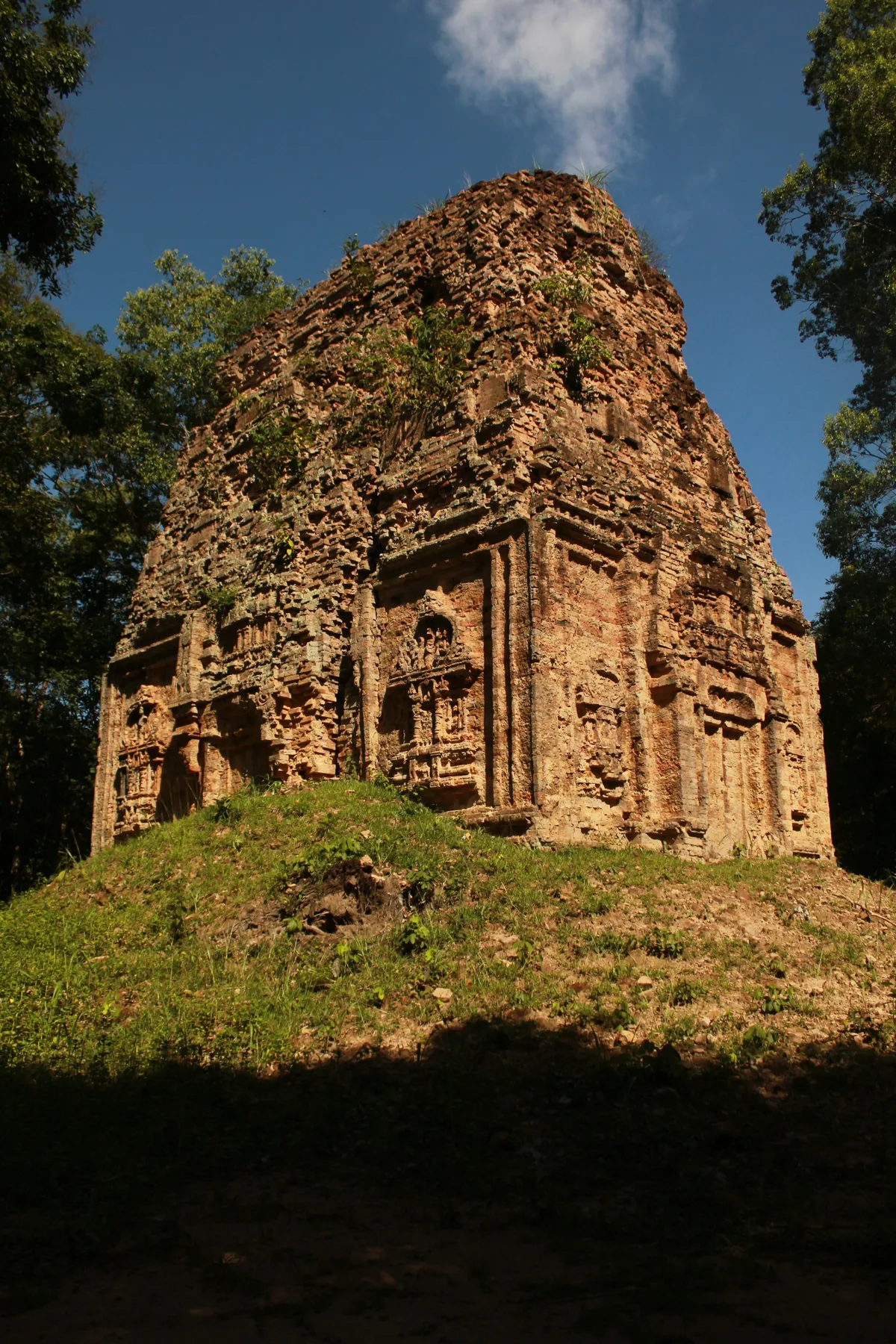 Sambor Prei Kuk
Cambodia
A UNESCO World Heritage site of pre-Angkorian brick temple towers dating to the 7th century, built as the capital of the Chenla Kingdom and set among quiet forest rather than the crowds of Angkor.
Sambor Prei Kuk
Cambodia
A UNESCO World Heritage site of pre-Angkorian brick temple towers dating to the 7th century, built as the capital of the Chenla Kingdom and set among quiet forest rather than the crowds of Angkor.
November through February is the dry, cooler season and peak time for exploring Angkor. March-May is hot and dry, and June-October is the rainy season, with lush greenery but afternoon downpours.
Siem Reap's temples are spread across a wide archaeological park best covered by tuk-tuk or private vehicle. Phnom Penh and the coast require longer drives or a short domestic flight.
Hot and humid year-round, typically 27-35°C (80-95°F). Lightweight, modest clothing that covers shoulders and knees is required for temple visits, plus sun protection for full days outdoors at Angkor.
The US dollar is used interchangeably with the Cambodian riel for most tourist transactions. Small tips for guides and drivers are customary and appreciated, though not obligatory.
Angkor Wat's sunrise viewing draws large crowds at the main reflecting pool. Arriving early, or choosing a quieter vantage point elsewhere in the complex, is worth discussing with your guide in advance.
Sites like the Tuol Sleng Genocide Museum document the Khmer Rouge period of the late 1970s. Many itineraries pair a Phnom Penh history day with lighter days at Angkor or the coast, so let your guide know your preference.
Tell us your group size and dates — we'll take care of the rest.