 TorontoOntario · 17 tours
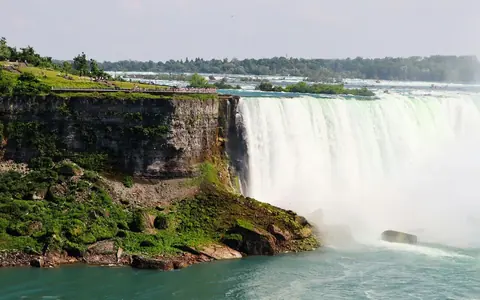 Niagara FallsOntario · 17 tours
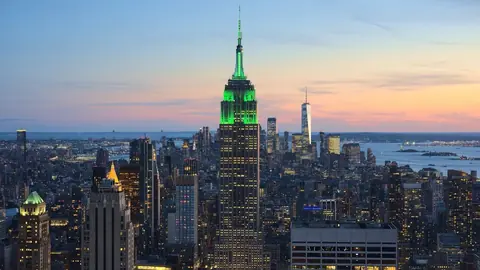 New York CityNew York · 8 tours
 Las VegasNevada · 8 tours
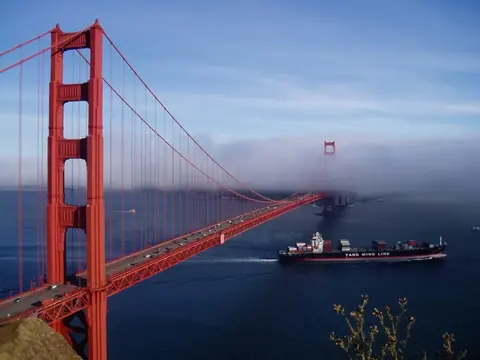 San FranciscoCalifornia · 16 tours
 VancouverBritish Columbia · 17 tours
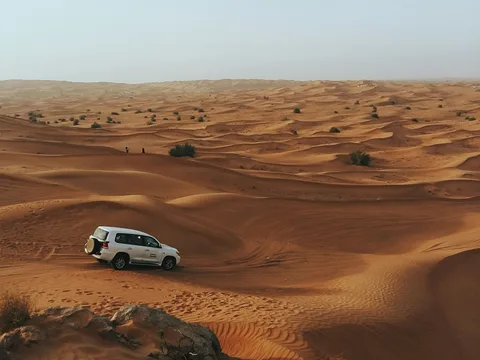 DubaiUAE · 44 tours
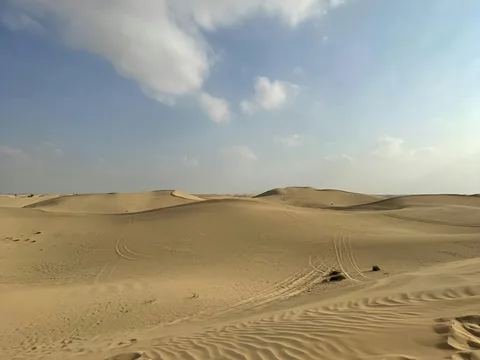 Abu DhabiUAE · 5 tours
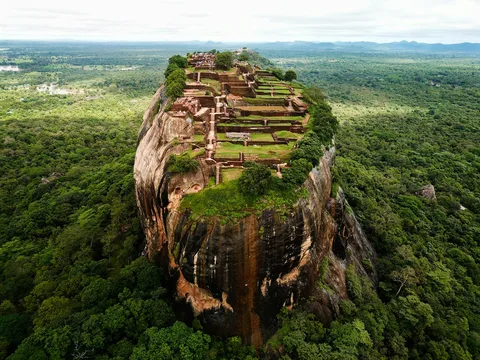 Sri LankaSri Lanka · 16 tours
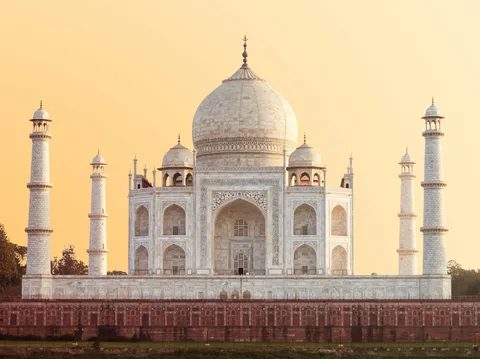 IndiaIndia · 13 tours
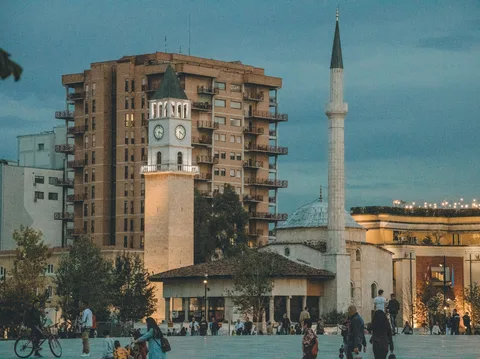 AlbaniaAlbania · 10 tours
 ArgentinaArgentina · 8 tours
No destinations match “”.
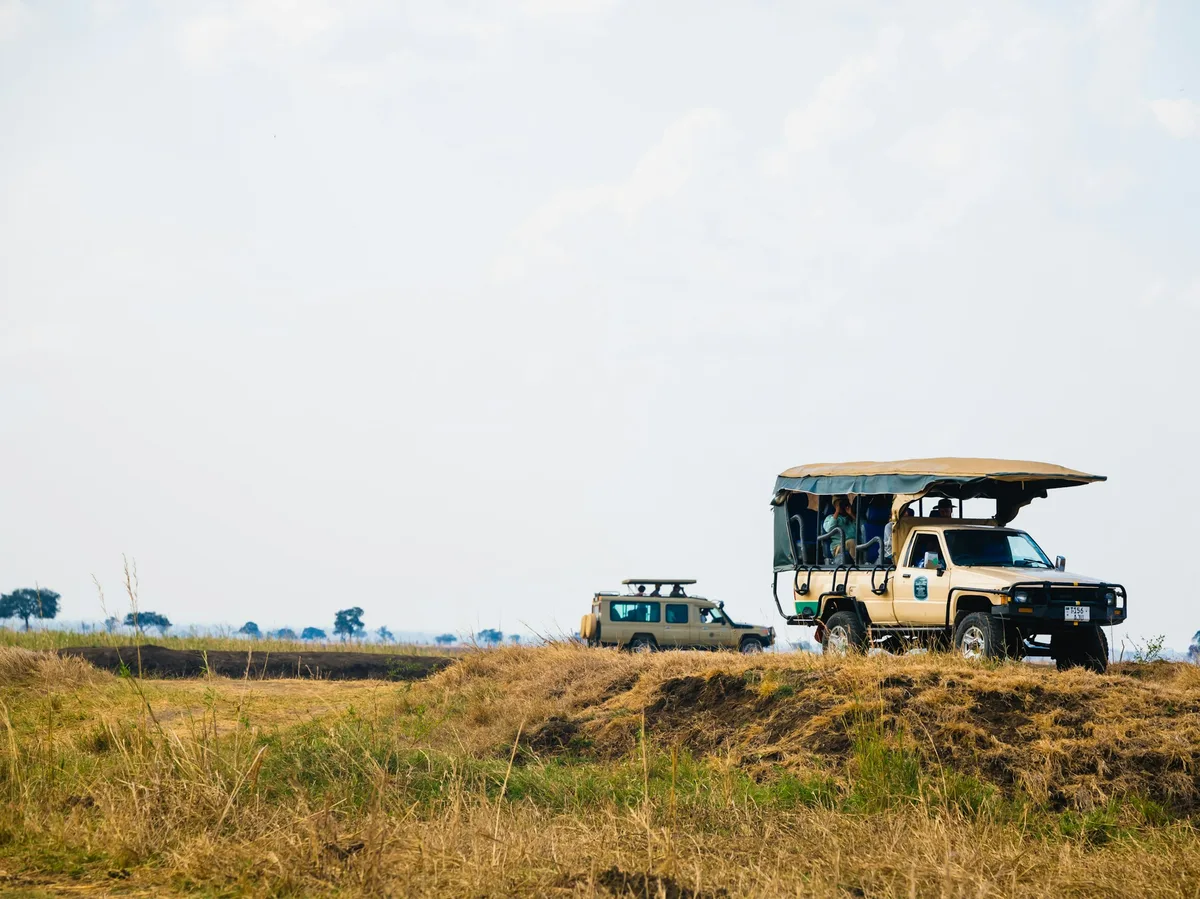
Voyzo runs 12 private tours in Tanzania, covering 8 top attractions — each with your own guide, driver, and vehicle, and an itinerary built around your group rather than a fixed bus schedule.
Tanzania is East Africa's great safari country — the Serengeti's endless plains and wildebeest migration, the wildlife-dense volcanic bowl of the Ngorongoro Crater, Tarangire's elephant herds and baobab trees, and the Hadzabe and Datoga communities around Lake Eyasi who still live by hunting and herding. Many itineraries extend from the northern safari circuit to Zanzibar, where Stone Town's coral-stone alleys and the island's beaches offer a complete change of pace after the parks.
Because Tanzania's parks are spread across a full day's drive from each other, Voyzo's Tanzania tours are built as private safari circuits — your own 4x4 safari vehicle and driver-guide for the whole trip, with lodges or camps arranged at every stop. Routes can stay within the northern circuit or extend to Zanzibar's beaches, whichever fits your group.
Multi-Day Tours
A 12-day trip pairing a northern Tanzania safari circuit — Tarangire, the Hadzabe and Datoga communities near Lake Eyasi, the Serengeti, and Ngorongoro Crater — with four days on Zanzibar's beaches and Stone Town.
 Multi-Day Tours
A 7-day luxury-lodge safari through Tarangire, Lake Manyara's tree-climbing lions, the Serengeti, and Ngorongoro Crater, built around a sunrise hot-air balloon flight over the Serengeti plains.
 Multi-Day Tours
A 9-day trip through the heart of northern Tanzania — a day hike onto Kilimanjaro's Shira Ridge, a coffee-farm and canoe day in Arusha, Tarangire's wildlife, a Lake Eyasi visit with the Hadzabe and Datoga, a descent into the little-visited Empakaai Crater, and a full day in the Ngorongoro Crater.
 Multi-Day Tours
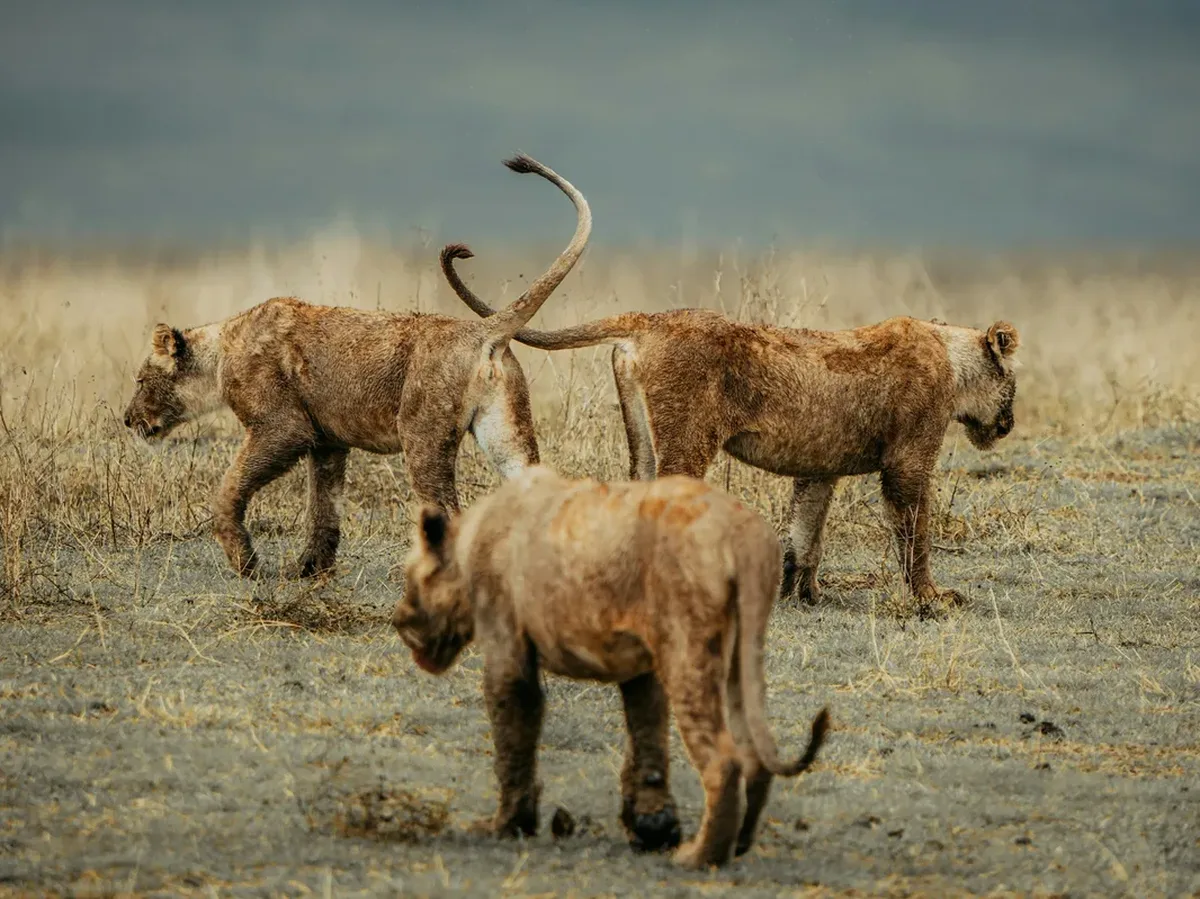
An 8-day trip built around Tanzania's people rather than a Serengeti circuit — Arusha's markets and Cultural Heritage Museum, a coffee farm, an Iraqw family home and school, the Hadzabe and Datoga near Lake Eyasi, and a Maasai village before a day-long Ngorongoro Crater safari.
Multi-Day Tours
A 9-day Kilimanjaro summit trek on the Machame Route — six days climbing through rainforest, the Shira Plateau, the Barranco Wall, and Barafu Camp to a torchlit summit push to Uhuru Peak, using the recommended slow acclimatization pace.
 Multi-Day Tours
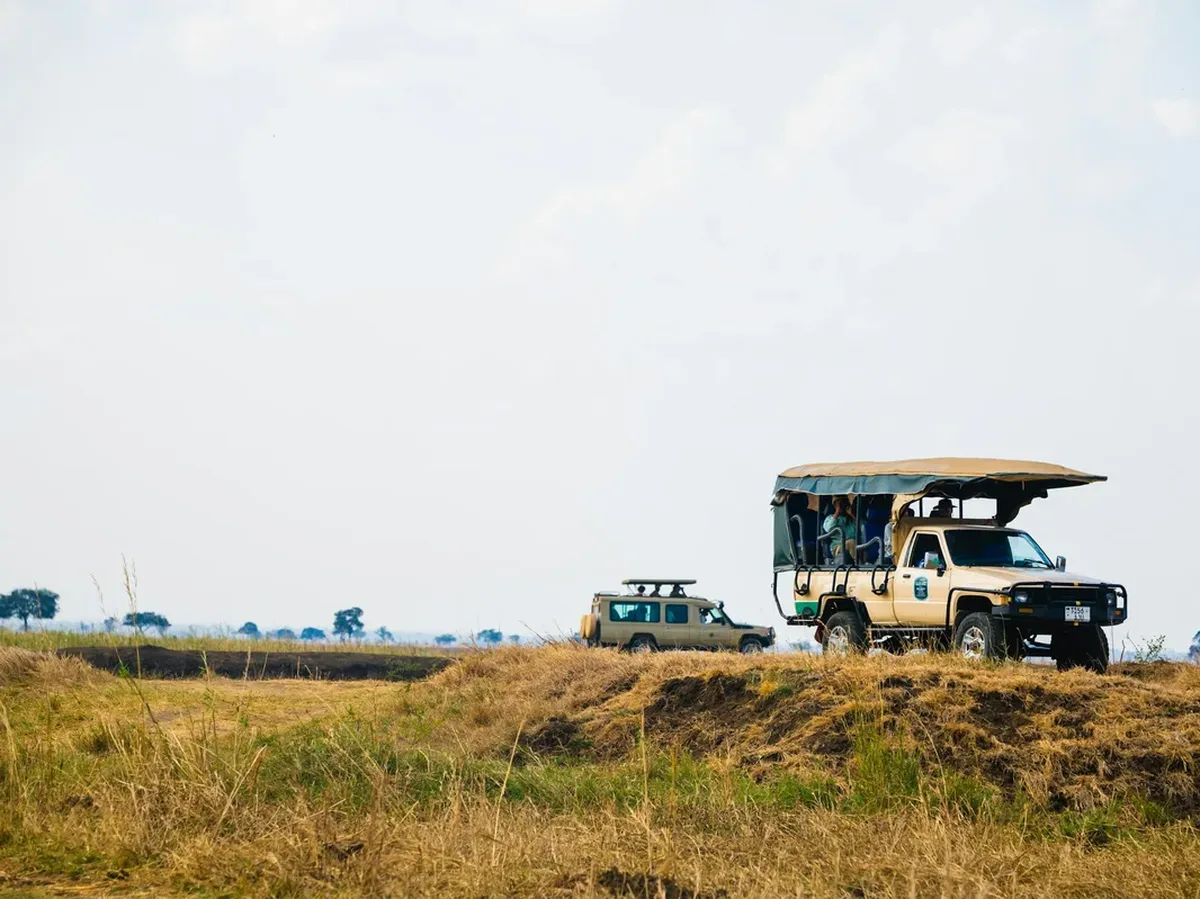
A 9-day trip through the Usambara Mountains and Magoroto Forest — hiking trails, waterfalls, German colonial history around Lushoto, and a forest-lake tented camp at Magoroto — with no game drives at all, entirely off Tanzania's standard safari circuit.
 Multi-Day Tours
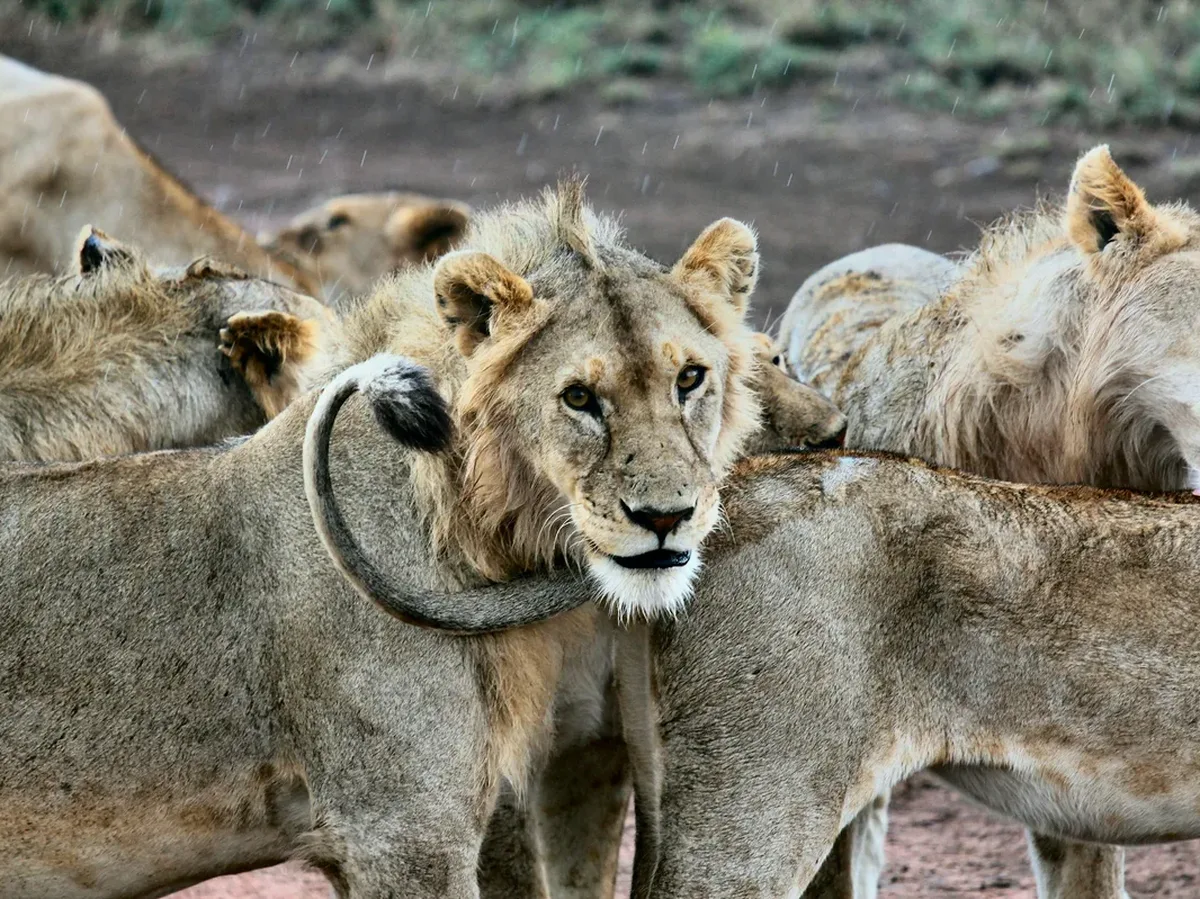
Our most comprehensive Tanzania itinerary — a Kilimanjaro day hike, Arusha and Tarangire National Parks, Lake Manyara's tree-climbing lions, the Hadzabe and Datoga at Lake Eyasi, Empakaai Crater, Ngorongoro, Olduvai Gorge, three days in the Serengeti, and five days on Zanzibar, over 21 days.
 Multi-Day Tours
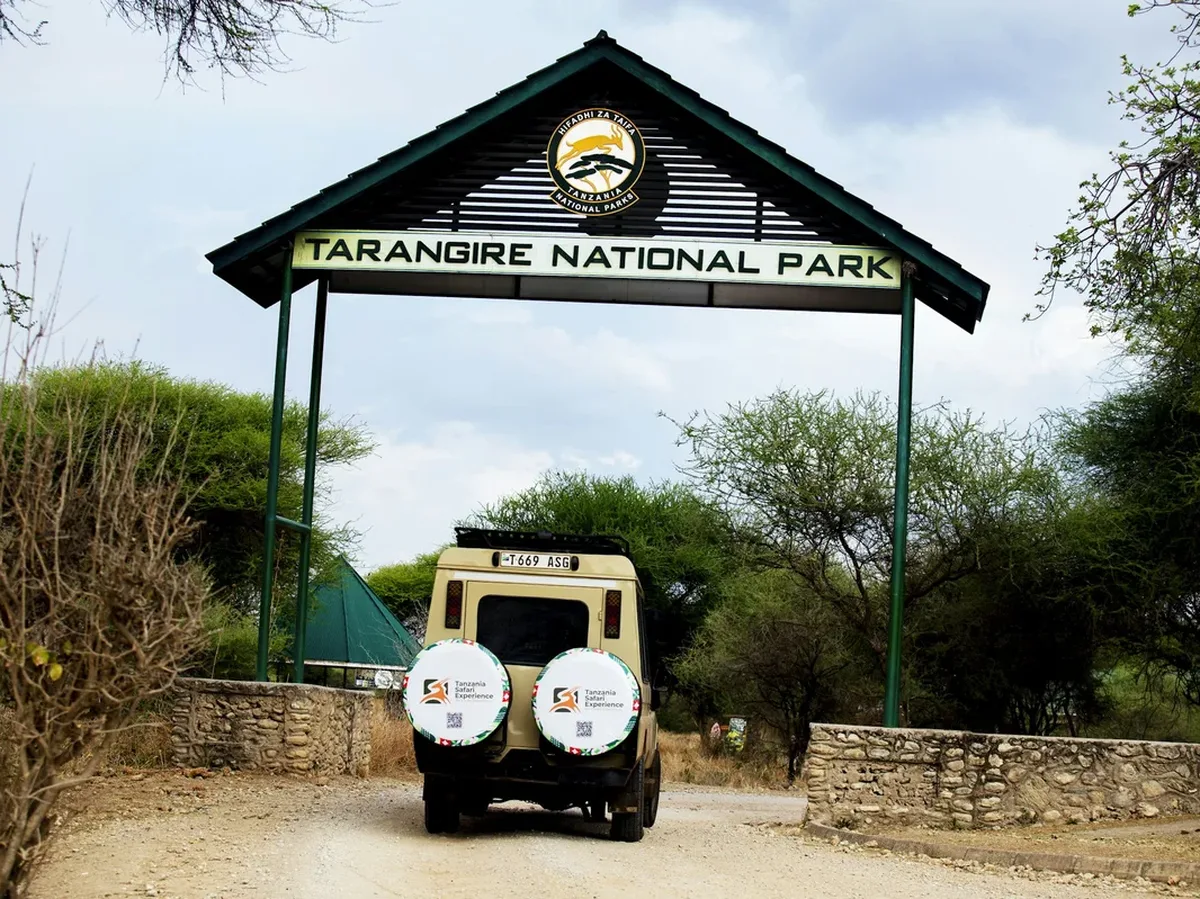
A short, 5-day introduction to northern Tanzania — Tarangire's elephants and baobabs, the Hadzabe and Datoga near Lake Eyasi, a full day in the Ngorongoro Crater, and Lake Manyara's tree-climbing lions and flamingos — for travelers without the time for a full Serengeti circuit.
Multi-Day Tours
A 16-day, mainland-only deep dive into northern Tanzania — a Kilimanjaro-area hike, Arusha and Tarangire National Parks, Lake Eyasi's Hadzabe and Datoga, three days in the Ngorongoro Crater and Serengeti, a waterfall hike at the remote soda lake of Lake Natron, and Lake Manyara's tree-climbing lions — no beach extension.
 Multi-Day Tours
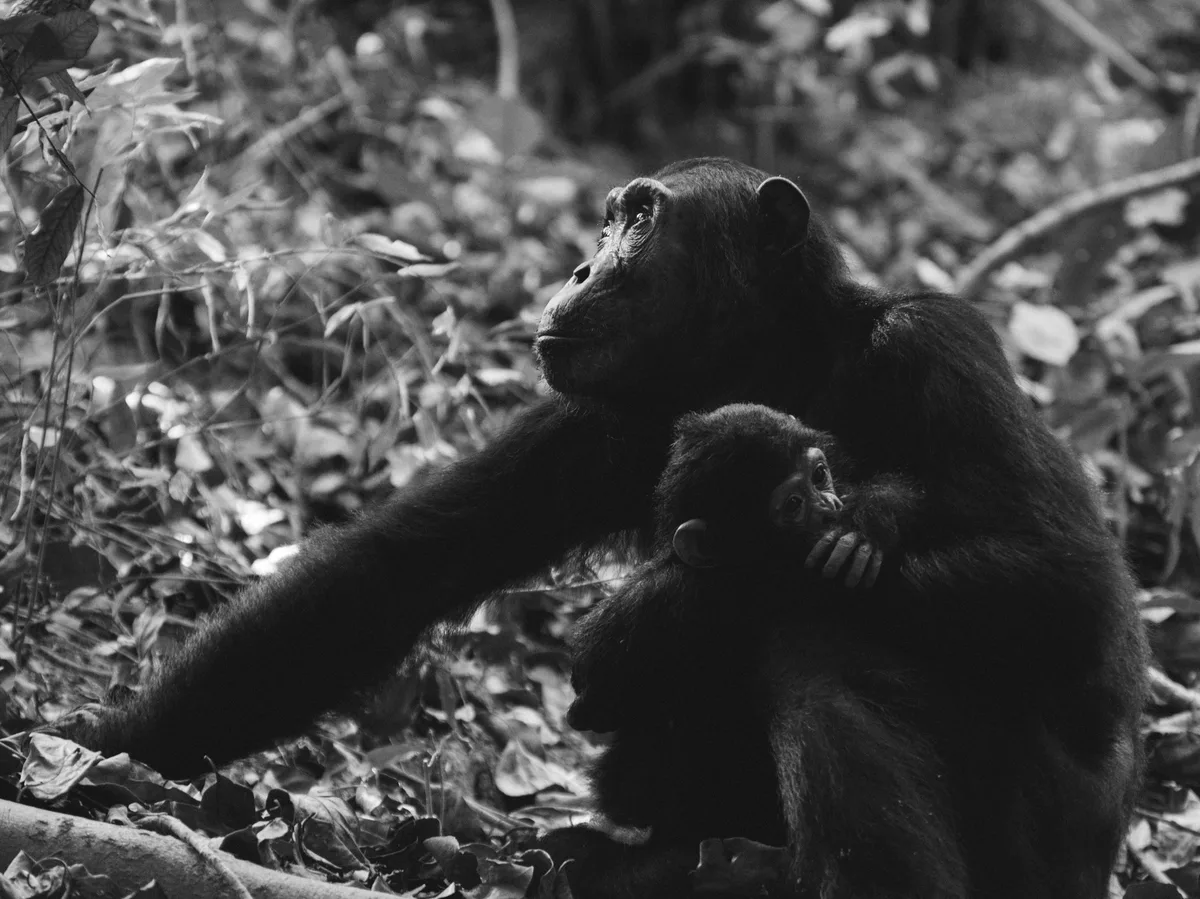
A 16-day trip pairing two days of wild chimpanzee trekking in the remote Mahale Mountains, reached only by domestic flight, with Arusha and Tarangire National Parks, Empakaai Crater, the Serengeti, Ngorongoro, and five days on Zanzibar's beaches.
 Multi-Day Tours
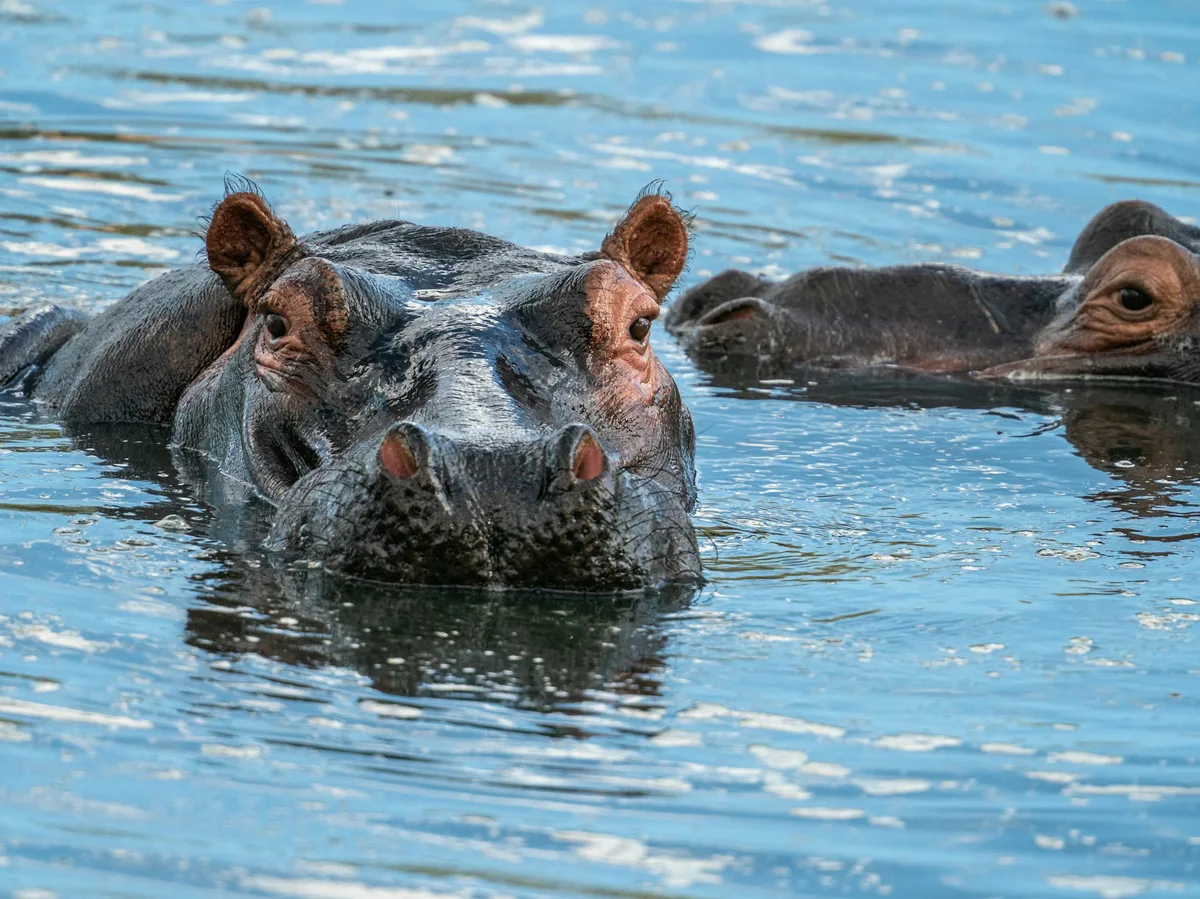
A 14-day safari through Tanzania's southern circuit — Nyerere National Park's Rufiji River, Mikumi's baobab plains, and Ruaha, one of Africa's largest lion populations — before heading north to Tarangire and a Ngorongoro Crater finale, starting and largely ending away from the standard Arusha-only circuit.
 Multi-Day Tours
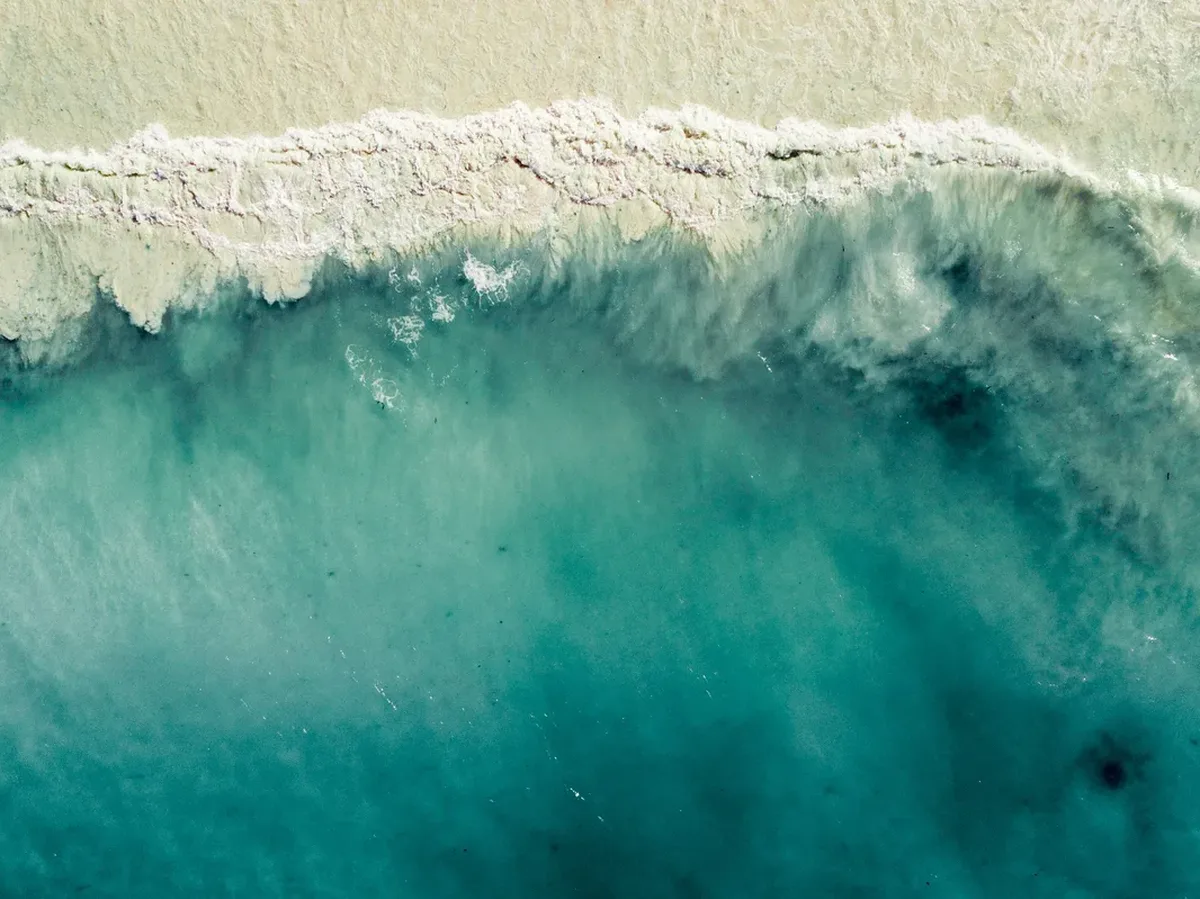
A 9-day active honeymoon-style trip — cycling through Arusha National Park, tracking black rhino and wild dog in Mkomazi National Park, hiking the Usambara Mountains near Lushoto, then spice tours, snorkeling at Mnemba Atoll, and candlelit dinners on Zanzibar.
Every Tanzania tour is matched to your party size — here's the fleet we draw from for this region.
| Vehicle | Model | Capacity | Best For |
|---|---|---|---|
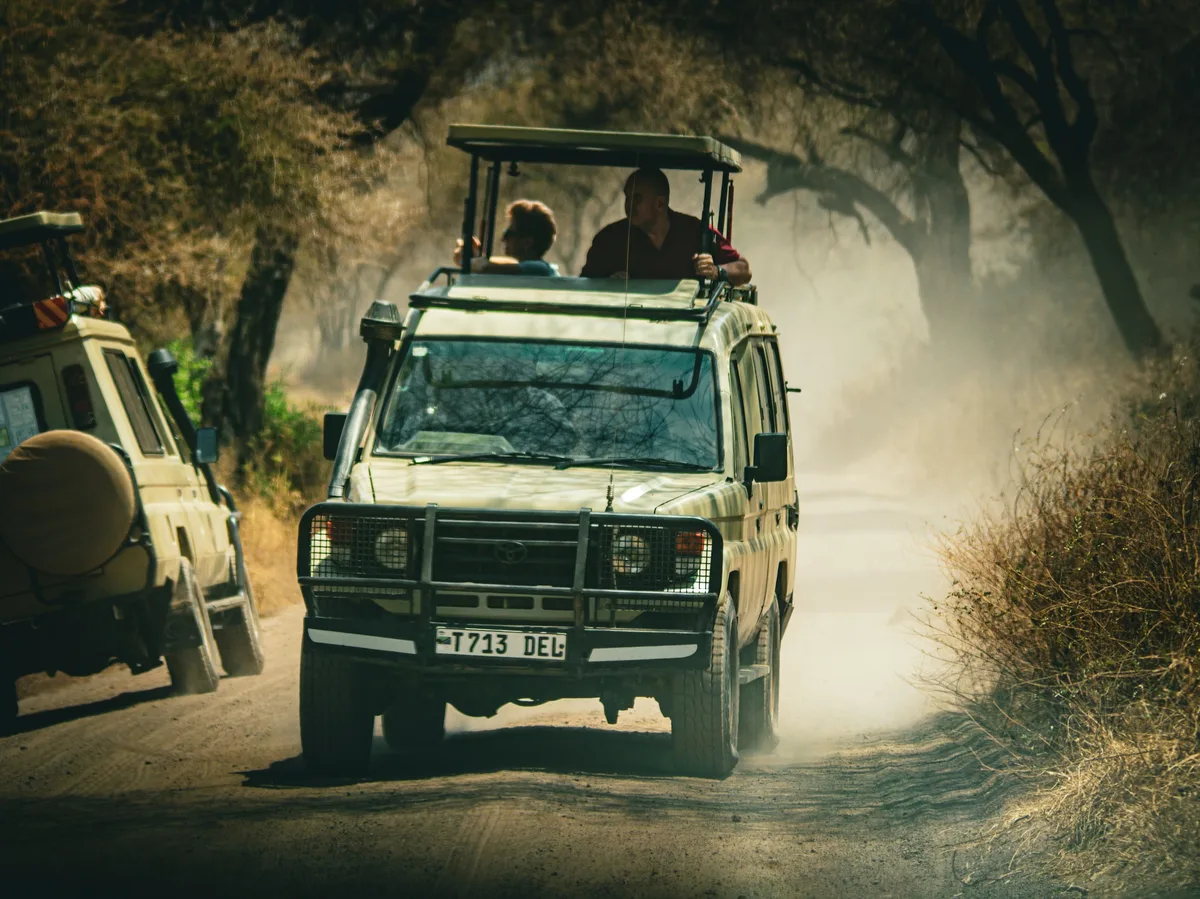
| Safari 4x4 (Pop-Top) | Toyota Land Cruiser, pop-up roof hatch | Up to 6 guests | The standard Tanzania safari vehicle — a 4x4 with a pop-up roof hatch for standing game viewing across the Serengeti, Ngorongoro Crater, and Tarangire. |
| Extended Safari Van | Toyota Land Cruiser, extended wheelbase | Up to 9 guests | A longer 4x4 safari vehicle with more seating and luggage space for families and small groups touring multiple parks together. |
| Overland Safari Truck | Purpose-built overland safari truck | Up to 20 guests | A larger overland vehicle for bigger private groups covering long distances between parks, still booked exclusively for your group. |
Popular stops our guides build into Tanzania itineraries — tap any attraction to learn more.
 Serengeti National Park
Tanzania
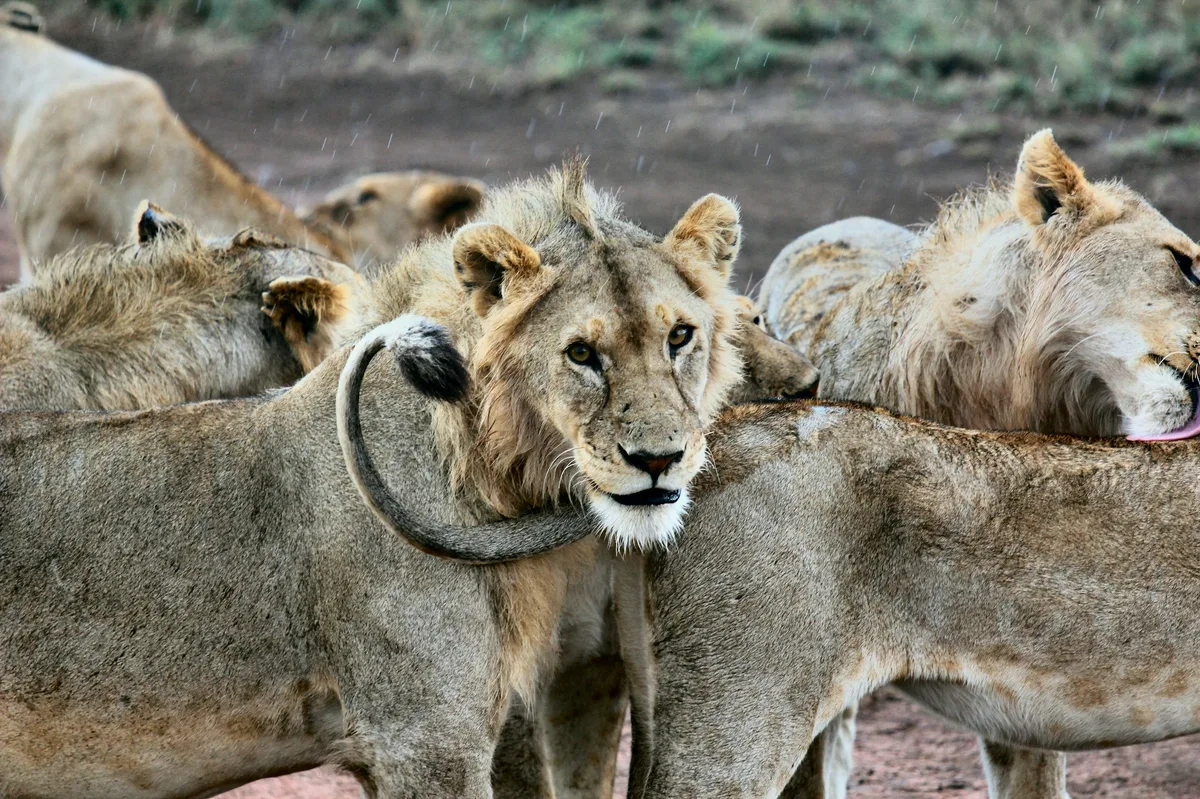
Tanzania's best-known reserve, famous for the annual wildebeest and zebra migration and for consistent Big Five sightings across its open plains.
2
Serengeti National Park
Tanzania
Tanzania's best-known reserve, famous for the annual wildebeest and zebra migration and for consistent Big Five sightings across its open plains.
2
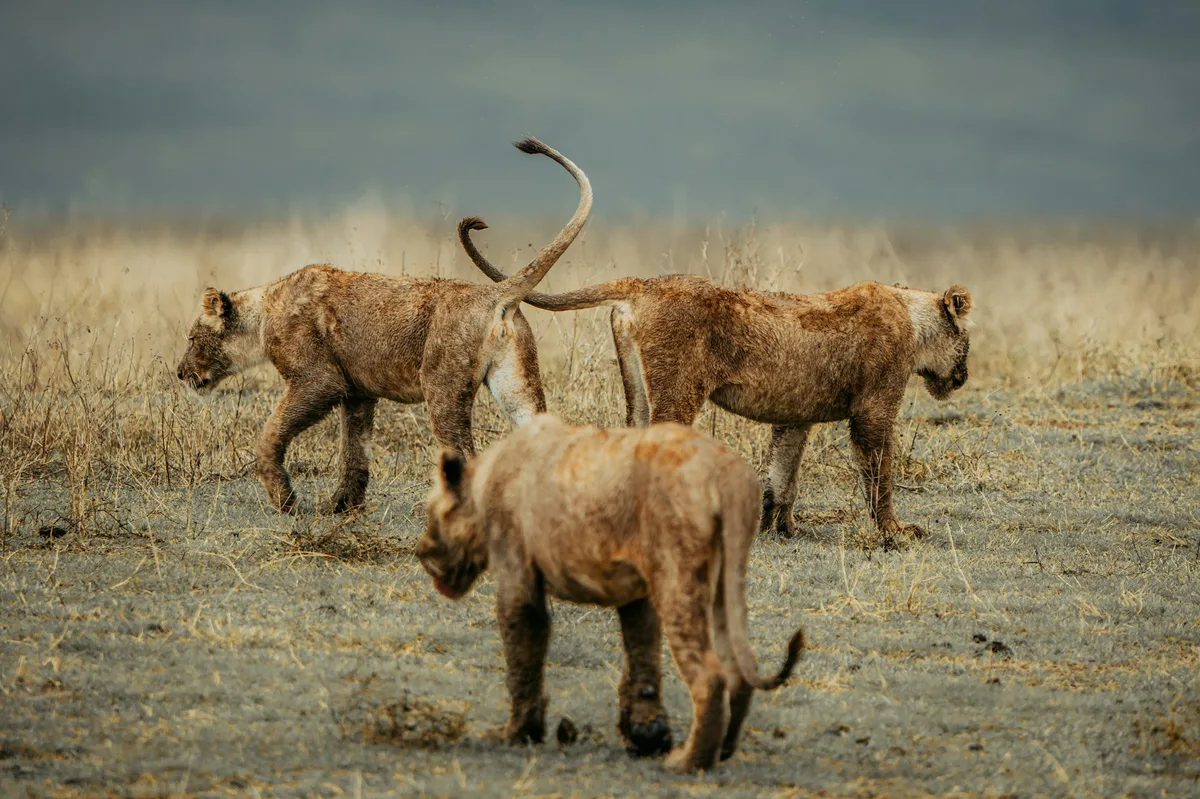 Ngorongoro Crater
Tanzania
The world's largest intact volcanic caldera, its crater floor holding a year-round concentration of wildlife including the Big Five within a single, easily-covered basin.
3
Ngorongoro Crater
Tanzania
The world's largest intact volcanic caldera, its crater floor holding a year-round concentration of wildlife including the Big Five within a single, easily-covered basin.
3
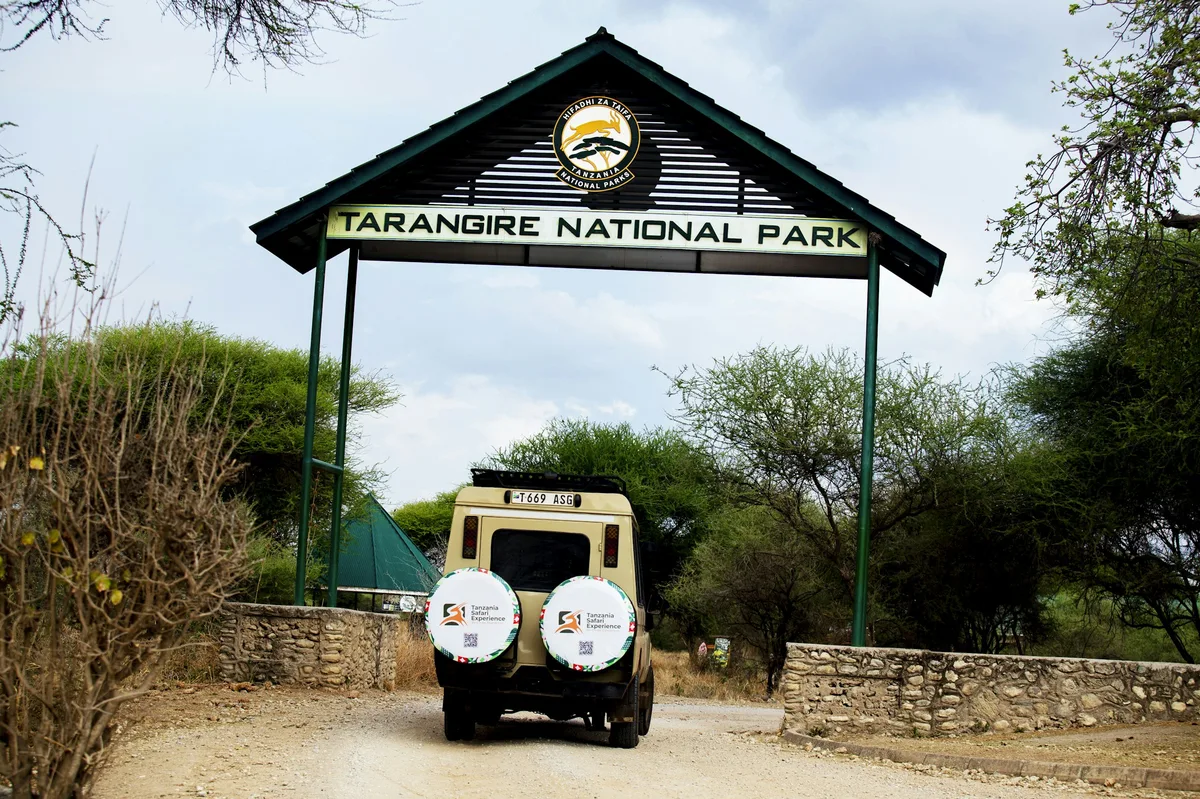 Tarangire National Park
Tanzania
A park known for its ancient baobab trees and, outside the Serengeti, the highest concentration of wildlife in Tanzania, especially large elephant herds.
4
Tarangire National Park
Tanzania
A park known for its ancient baobab trees and, outside the Serengeti, the highest concentration of wildlife in Tanzania, especially large elephant herds.
4
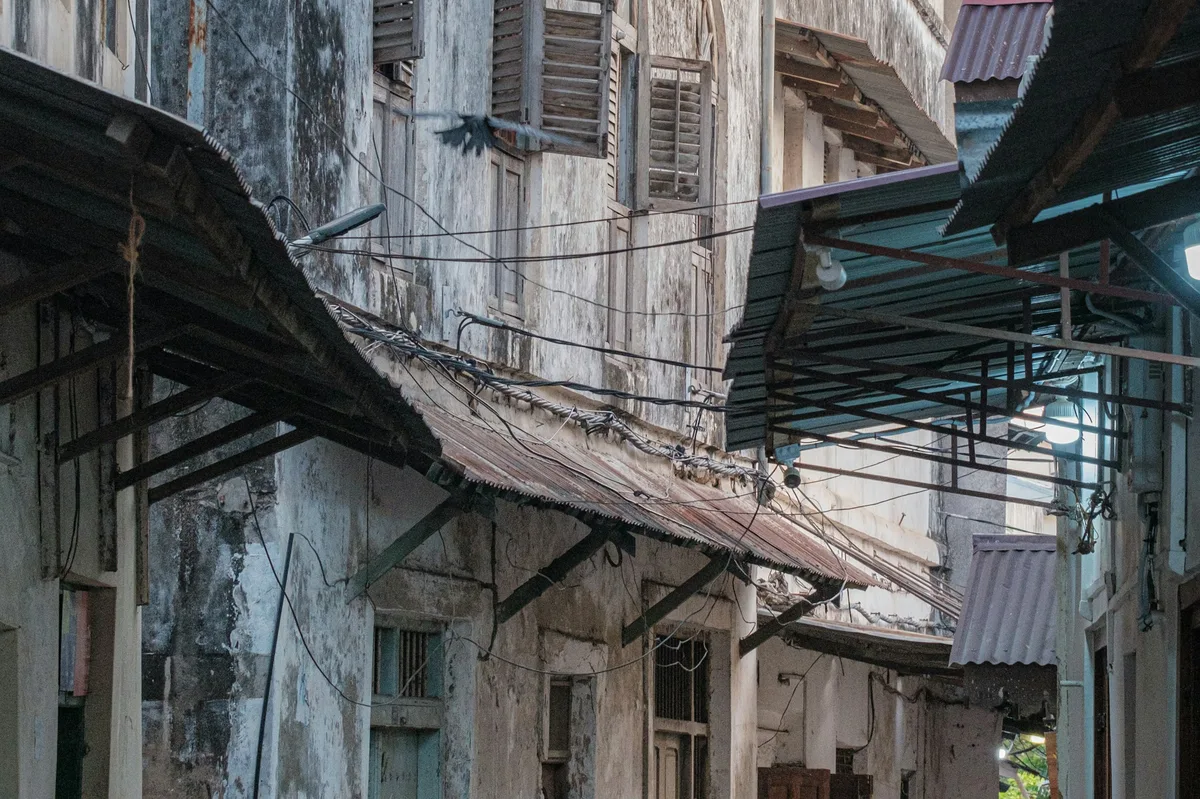 Stone Town, Zanzibar
Tanzania
The UNESCO-listed old quarter of Zanzibar City, a maze of narrow coral-stone alleys, carved wooden doors, and rooftop cafés dating from the island's Omani and Swahili trading past.
5
Stone Town, Zanzibar
Tanzania
The UNESCO-listed old quarter of Zanzibar City, a maze of narrow coral-stone alleys, carved wooden doors, and rooftop cafés dating from the island's Omani and Swahili trading past.
5
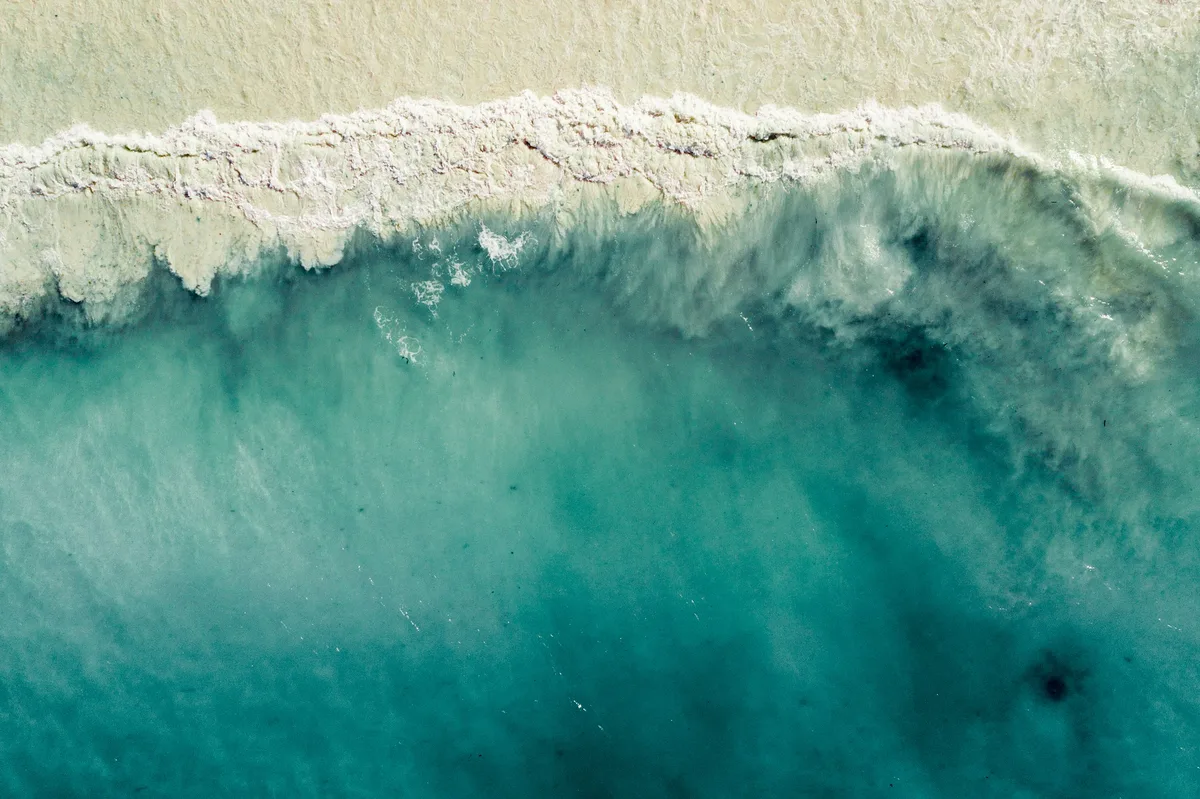 Zanzibar's Beaches
Tanzania
The white-sand, turquoise-water coastline on Zanzibar's north and east shores, the usual final stop after a mainland safari circuit.
6
Zanzibar's Beaches
Tanzania
The white-sand, turquoise-water coastline on Zanzibar's north and east shores, the usual final stop after a mainland safari circuit.
6
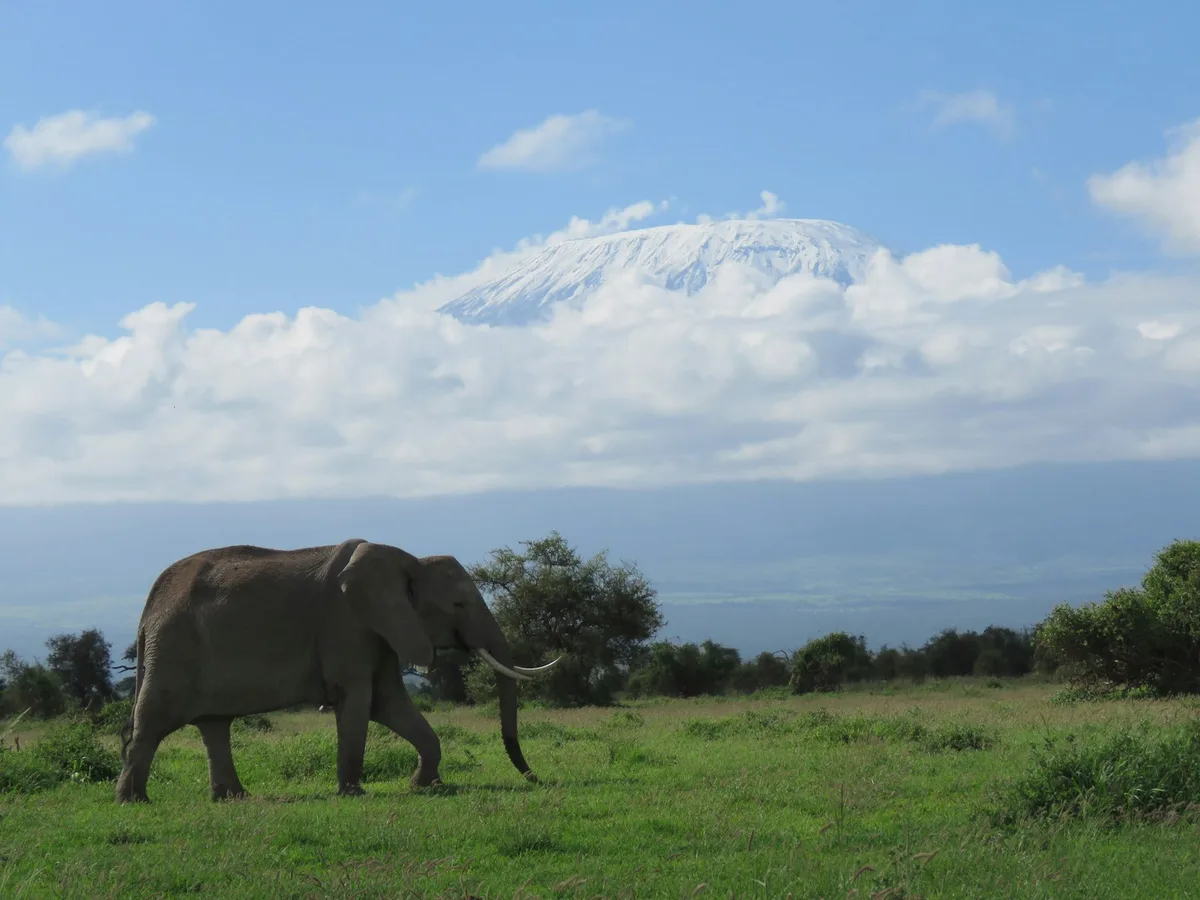 Mount Kilimanjaro
Tanzania
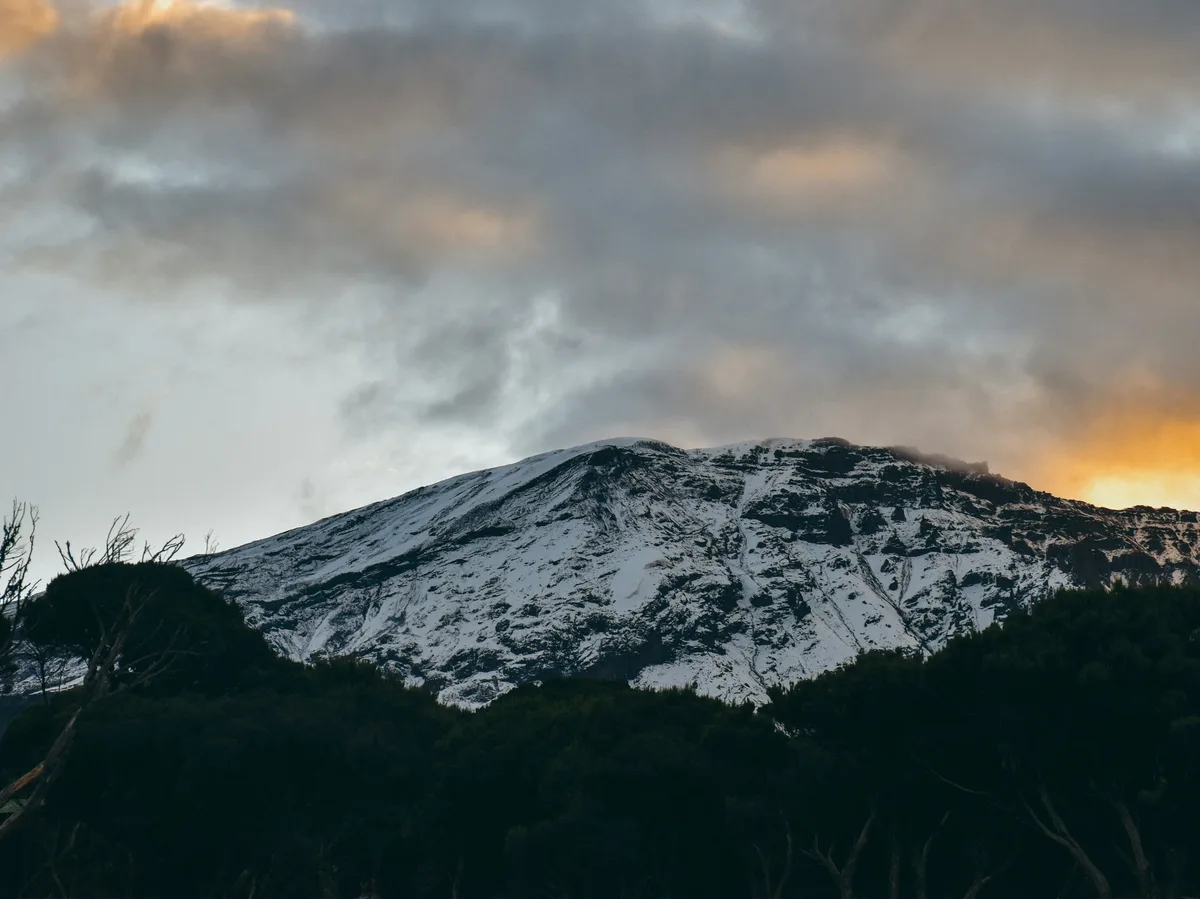
Africa's highest peak and the world's tallest free-standing mountain, its snow-capped summit visible for miles across the surrounding savanna even to visitors who aren't climbing it.
7
Mount Kilimanjaro
Tanzania
Africa's highest peak and the world's tallest free-standing mountain, its snow-capped summit visible for miles across the surrounding savanna even to visitors who aren't climbing it.
7
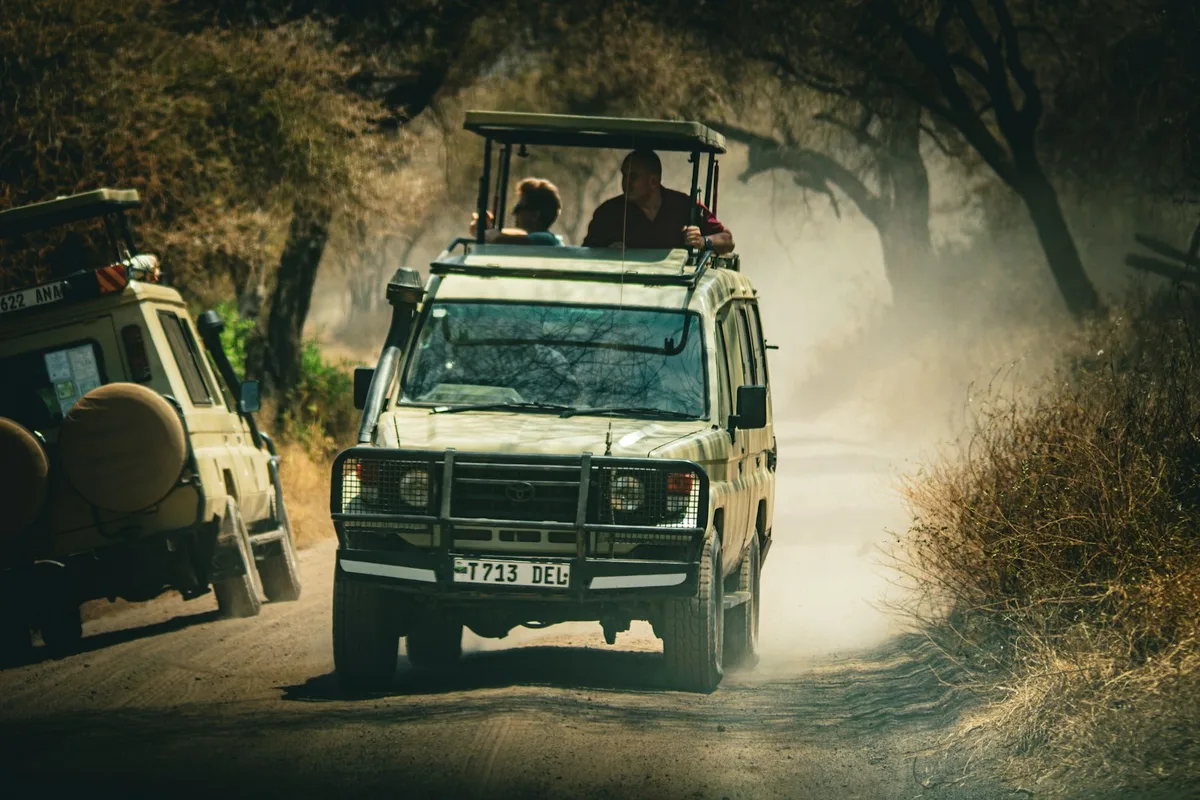 Lake Manyara National Park
Tanzania
A compact park on the northern safari circuit known for its groundwater forest, tree-climbing lions, and the flamingo-lined shallows of Lake Manyara itself.
8
Lake Manyara National Park
Tanzania
A compact park on the northern safari circuit known for its groundwater forest, tree-climbing lions, and the flamingo-lined shallows of Lake Manyara itself.
8
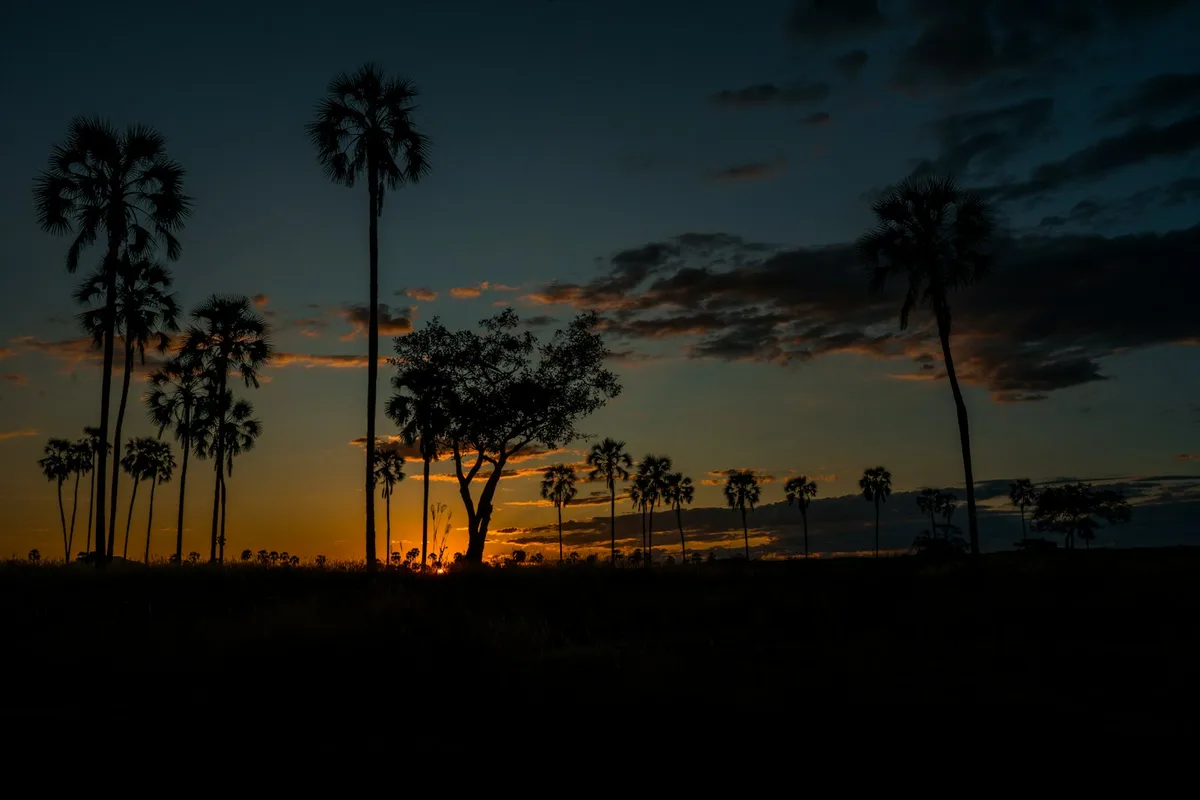 Ruaha National Park
Tanzania
Tanzania's largest national park, a remote stretch of baobab-studded savanna along the Great Ruaha River with one of East Africa's largest elephant populations and far fewer visitors than the northern circuit.
Ruaha National Park
Tanzania
Tanzania's largest national park, a remote stretch of baobab-studded savanna along the Great Ruaha River with one of East Africa's largest elephant populations and far fewer visitors than the northern circuit.
The dry seasons (June-October and January-February) offer the best wildlife viewing as animals concentrate around water sources; the wildebeest migration's exact location shifts year to year, roughly in the southern Serengeti January-March and crossing the Mara River in the north around July-August.
Safari circuits are covered by 4x4 safari vehicle with a driver-guide, with lodges or camps within the parks making road transfers between them part of the experience rather than dead time; Zanzibar is typically reached by a short flight from the northern circuit.
Days on safari are warm (25-30°C/77-86°F) but early morning game drives can be cold, especially in open vehicles — a warm layer for mornings and evenings is worth packing even this close to the equator.
Tanzania uses the Tanzanian shilling, though US dollars are widely accepted for park fees and larger payments; tipping guides and camp staff (commonly $10-20 per day for guides) is a standard and expected part of the safari culture.
A yellow fever vaccination certificate is required for entry if arriving from certain countries, and malaria prophylaxis is commonly recommended for safari areas — check current guidance with a doctor or travel clinic before departure.
Climbing Kilimanjaro requires no technical climbing skill but real physical preparation and gradual acclimatization — routes run five to nine days specifically to reduce altitude sickness risk.
Tell us your group size and dates — we'll take care of the rest.