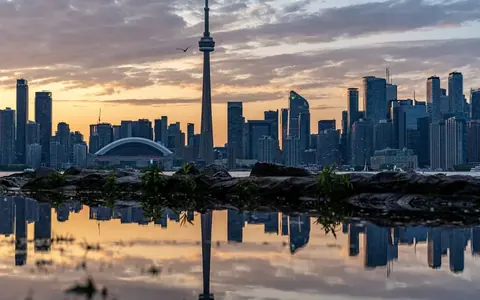
 TorontoOntario · 17 tours
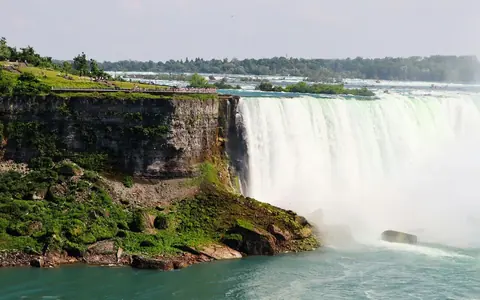 Niagara FallsOntario · 17 tours
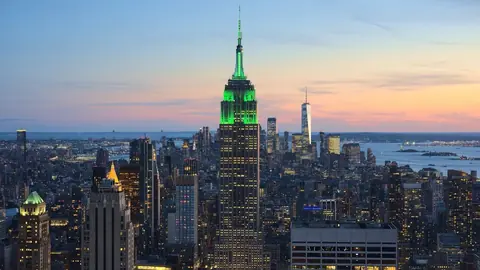 New York CityNew York · 8 tours
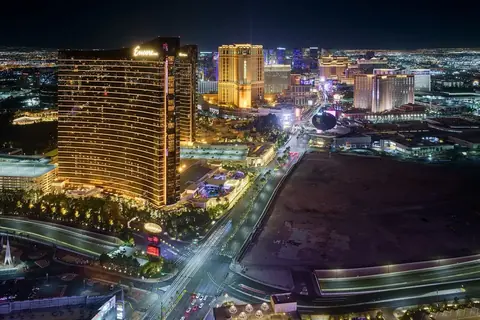 Las VegasNevada · 8 tours
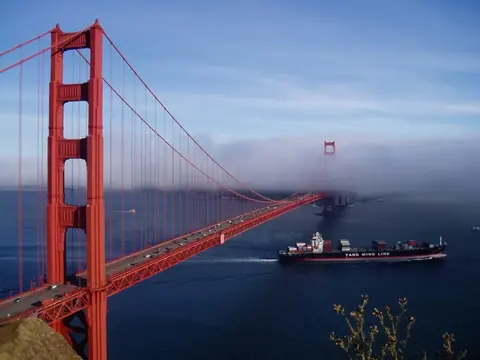 San FranciscoCalifornia · 16 tours
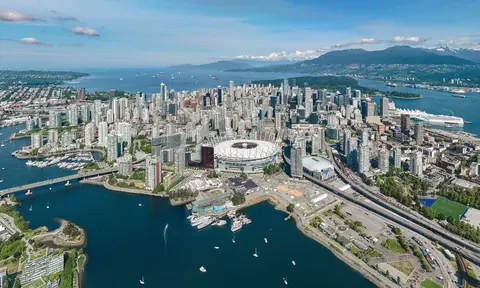 VancouverBritish Columbia · 17 tours
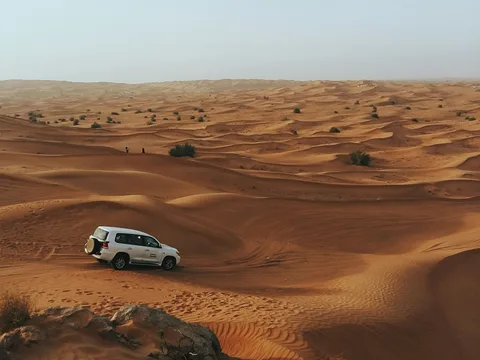 DubaiUAE · 44 tours
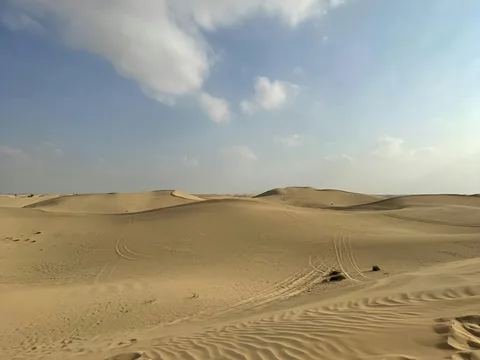 Abu DhabiUAE · 5 tours
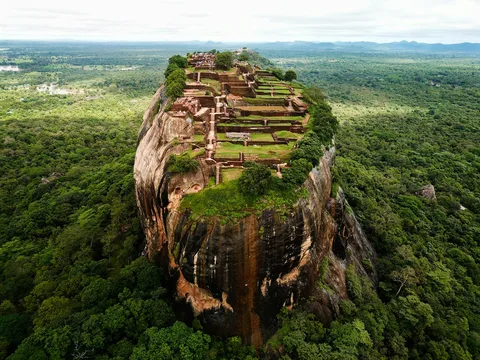 Sri LankaSri Lanka · 16 tours
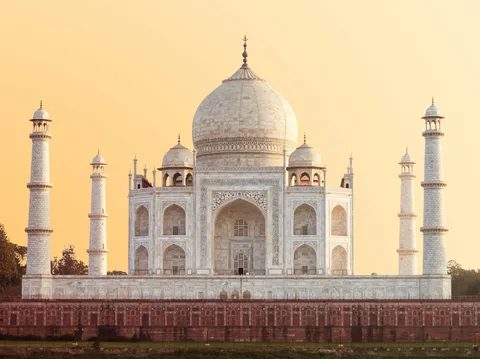 IndiaIndia · 13 tours
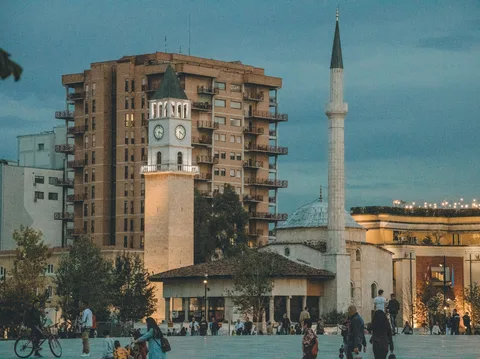 AlbaniaAlbania · 10 tours
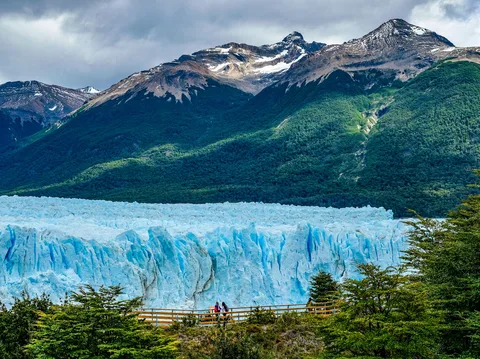 ArgentinaArgentina · 8 tours
No destinations match “”.
Voyzo runs 4 private tours in Austria, covering 9 top attractions — each with your own guide, driver, and vehicle, and an itinerary built around your group rather than a fixed bus schedule.
Austria sits at the heart of Central Europe, from Vienna's imperial palaces and coffeehouse culture to Salzburg's baroque old town and the Alpine peaks around Innsbruck and St. Anton. Its location also makes it a natural gateway to neighboring Germany, Switzerland, and Czechia.
Because several of Voyzo's Austria routes continue on into those neighboring countries, tours here are built as multi-day private circuits, each with its own driver and vehicle, hotels arranged at every stop, and honest disclosure of exactly which nights are spent where. Some routes stay entirely within Austria, while others use it as the starting or finishing point for a wider Central European journey — whichever fits your group, the itinerary can be reshaped around what matters most to you.
Multi-Day Tours
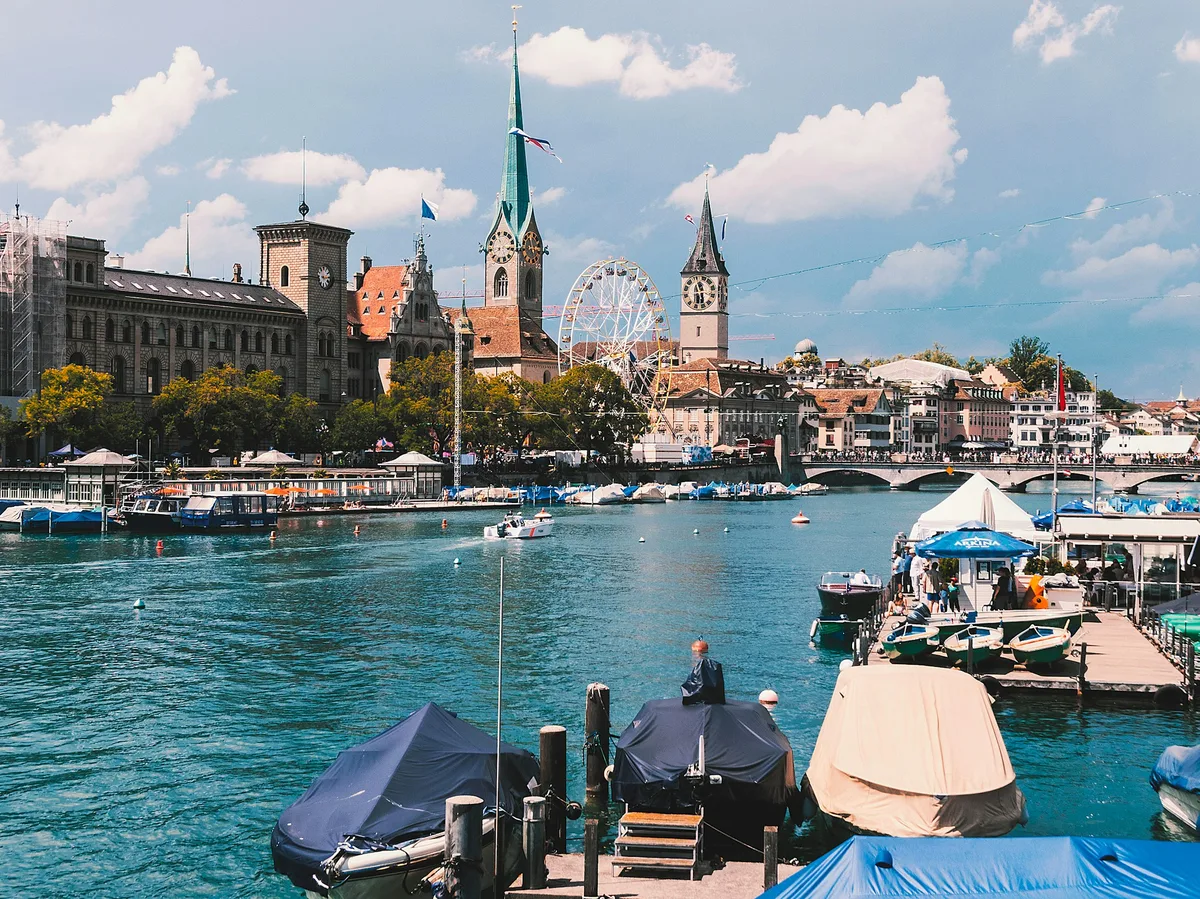
A 9-day private circuit through Central Europe's icons — Vienna and the Wachau Valley, Salzburg's Sound of Music sights, Munich and Neuschwanstein Castle, finishing in Zurich.
 Multi-Day Tours Popular Pick
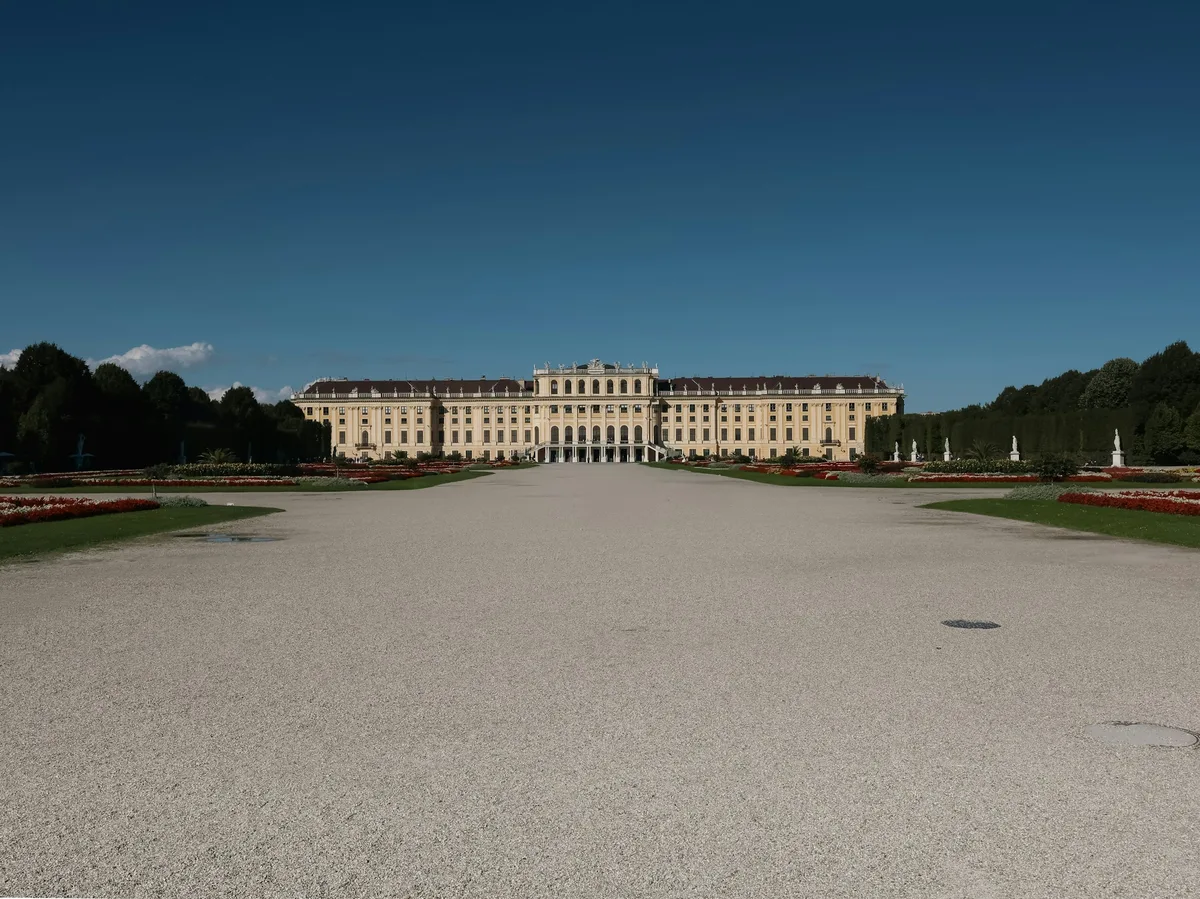
A 6-day private tour of Vienna — a Mozart concert, Schönbrunn Palace, the Kunsthistorisches Museum, traditional Heuriger wine taverns, and the city's culinary highlights.
 Multi-Day Tours
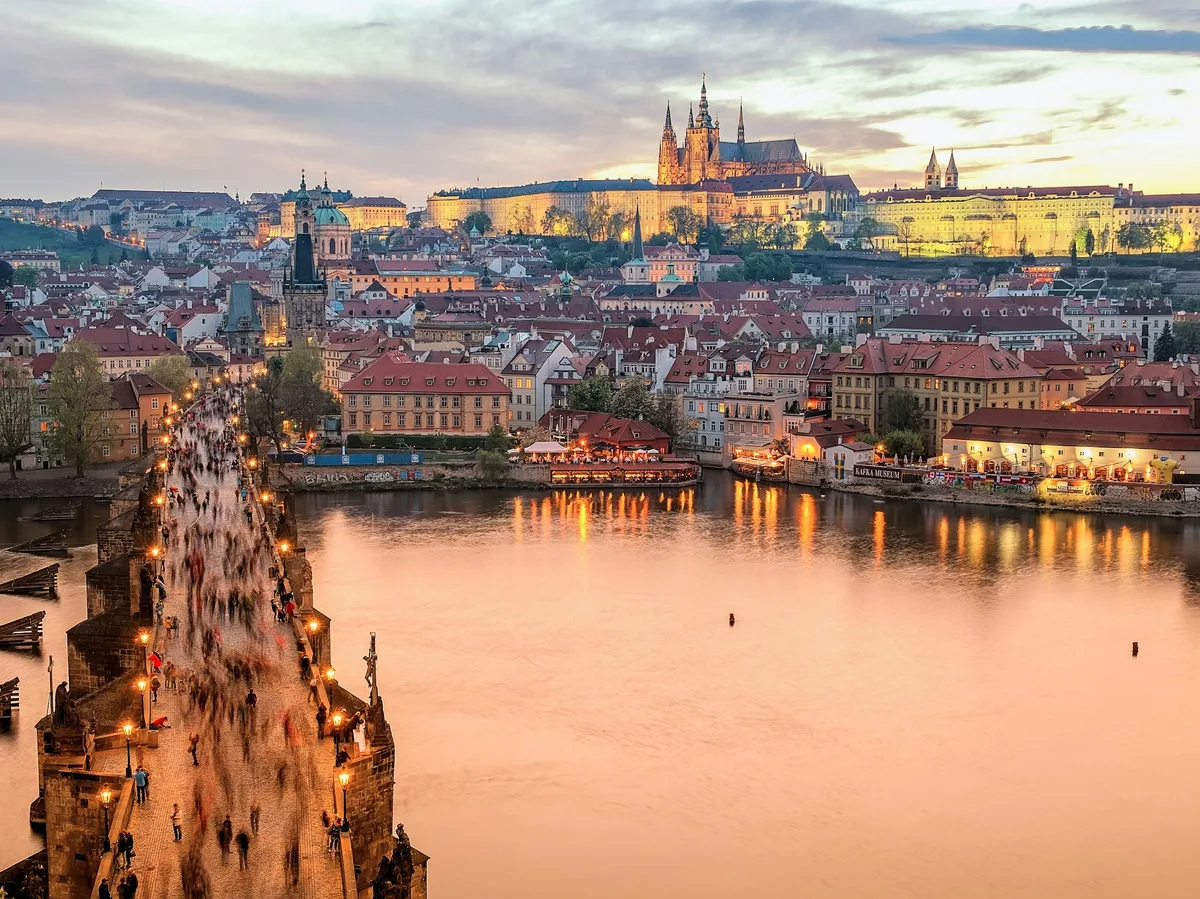
A 15-day private circuit through Austria, Germany, and Czechia's Christmas markets — starting and ending in Vienna, by way of Salzburg, Munich, Dresden, Prague, and Český Krumlov.
 Multi-Day Tours
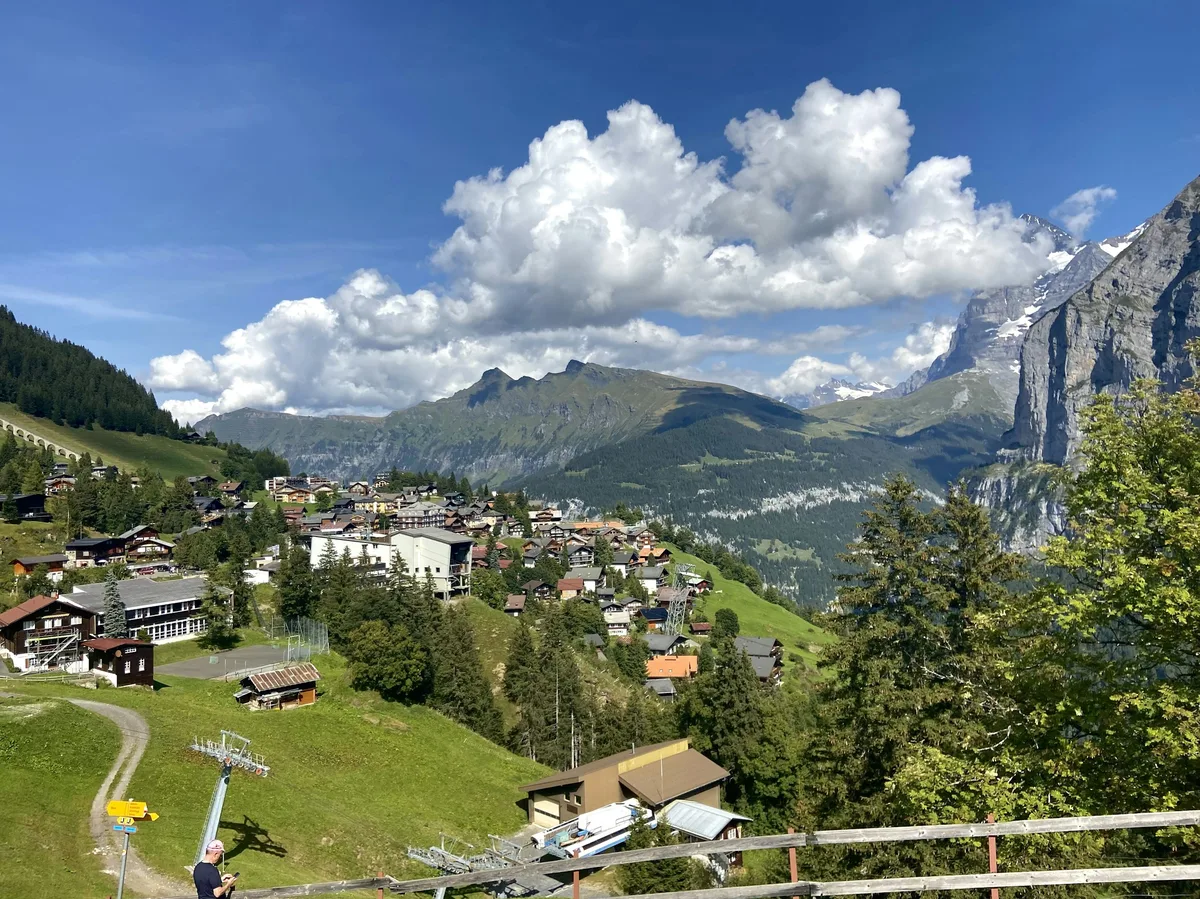
A 13-day private circuit through the Alps — Lake Lucerne, Grindelwald and Interlaken, Lugano and Lake Como in Italy, finishing with St. Anton and Bregenz in Austria.
Every Austria tour is matched to your party size — here's the fleet we draw from for this region.
| Vehicle | Model | Capacity | Best For |
|---|---|---|---|
| Private Car / SUV | Mercedes-Benz E-Class or similar | Up to 5 guests | A private car and driver for couples or small families — comfortable across Vienna, the Alps, and the long drives between countries. |
| Mercedes-Benz Sprinter Van | Mercedes-Benz Sprinter, air-conditioned | Up to 12 guests | The standard vehicle for private multi-day tours from Austria — comfortable, air-conditioned, and built for long Central European distances. |
| Mini-Coach | Mercedes-Benz or Setra mini-coach | Up to 25 guests | For larger groups touring together — a full-size mini-coach with one driver and one itinerary for the whole party. |
Popular stops our guides build into Austria itineraries — tap any attraction to learn more.
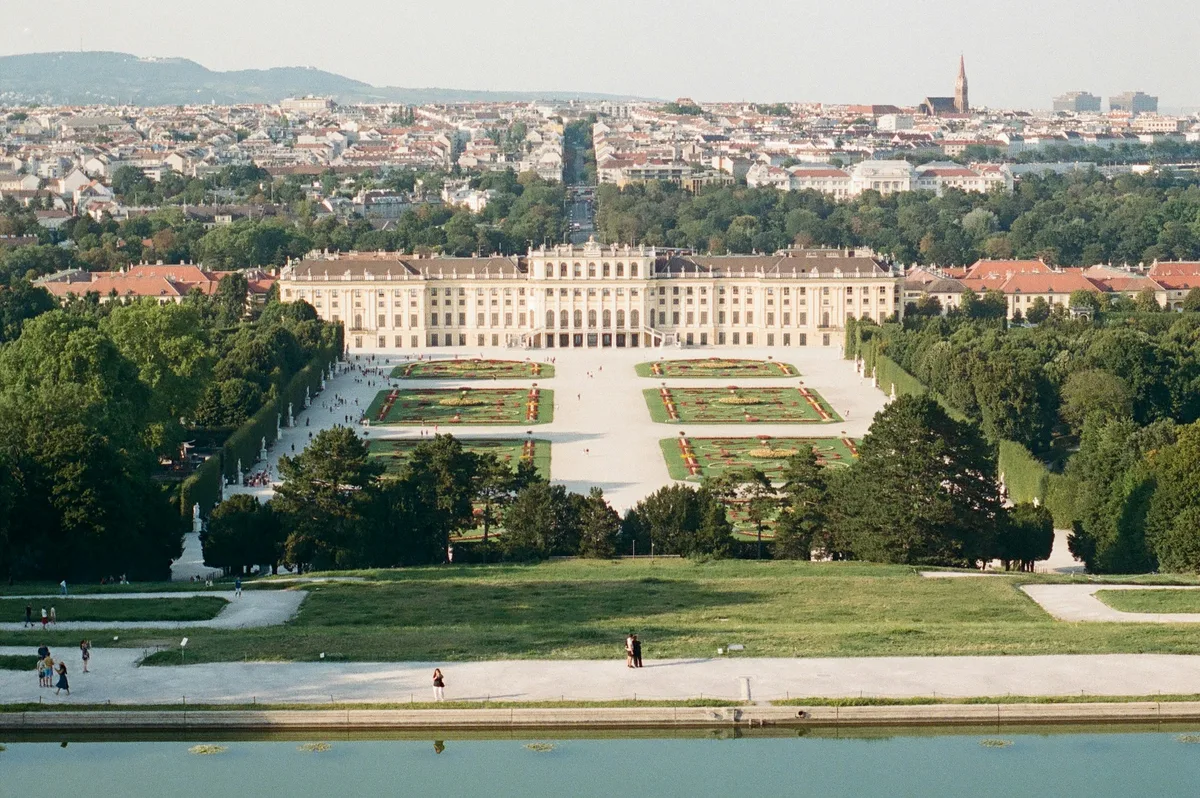 Schönbrunn Palace, Vienna
Austria
The former imperial summer residence of the Habsburgs, with formal gardens and gilded state rooms that reveal the height of Austrian imperial splendor.
2
Schönbrunn Palace, Vienna
Austria
The former imperial summer residence of the Habsburgs, with formal gardens and gilded state rooms that reveal the height of Austrian imperial splendor.
2
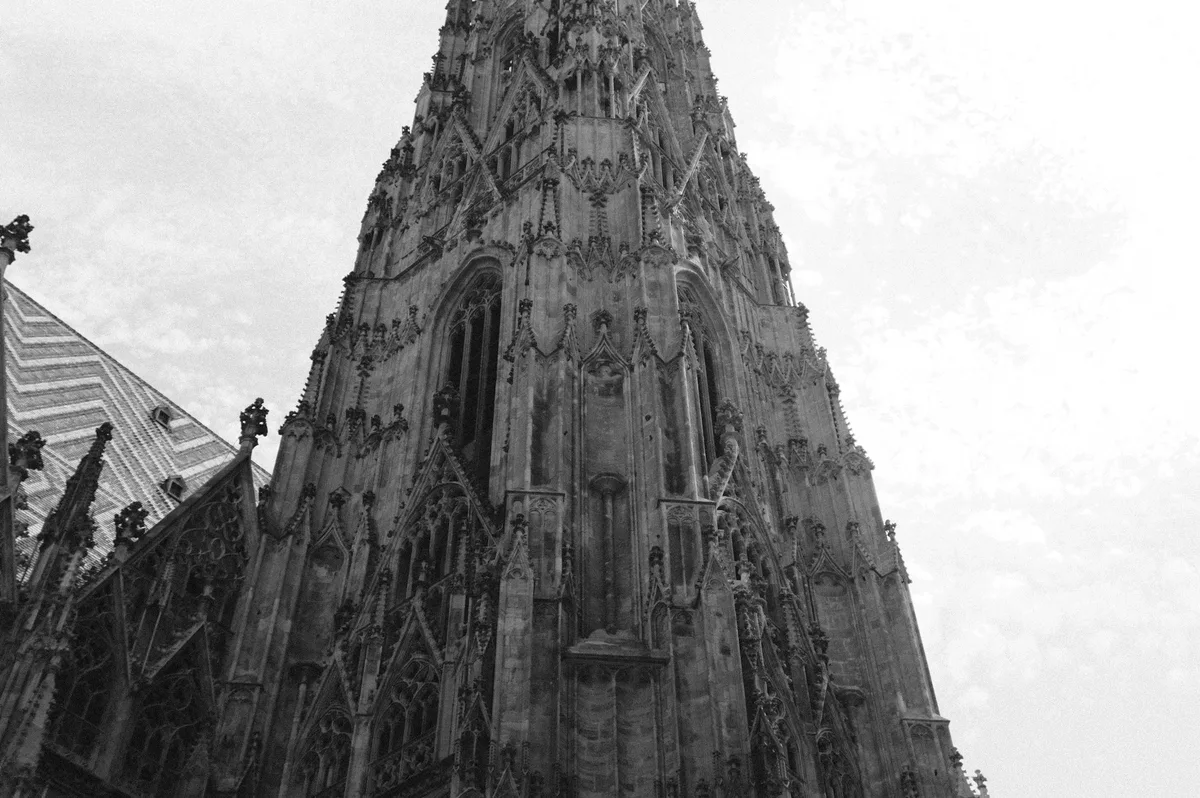 St. Stephen's Cathedral, Vienna
Austria
Vienna's Gothic centerpiece, its tiled roof and towering spire visible across the city — the heart of the historic Innere Stadt district.
3
St. Stephen's Cathedral, Vienna
Austria
Vienna's Gothic centerpiece, its tiled roof and towering spire visible across the city — the heart of the historic Innere Stadt district.
3
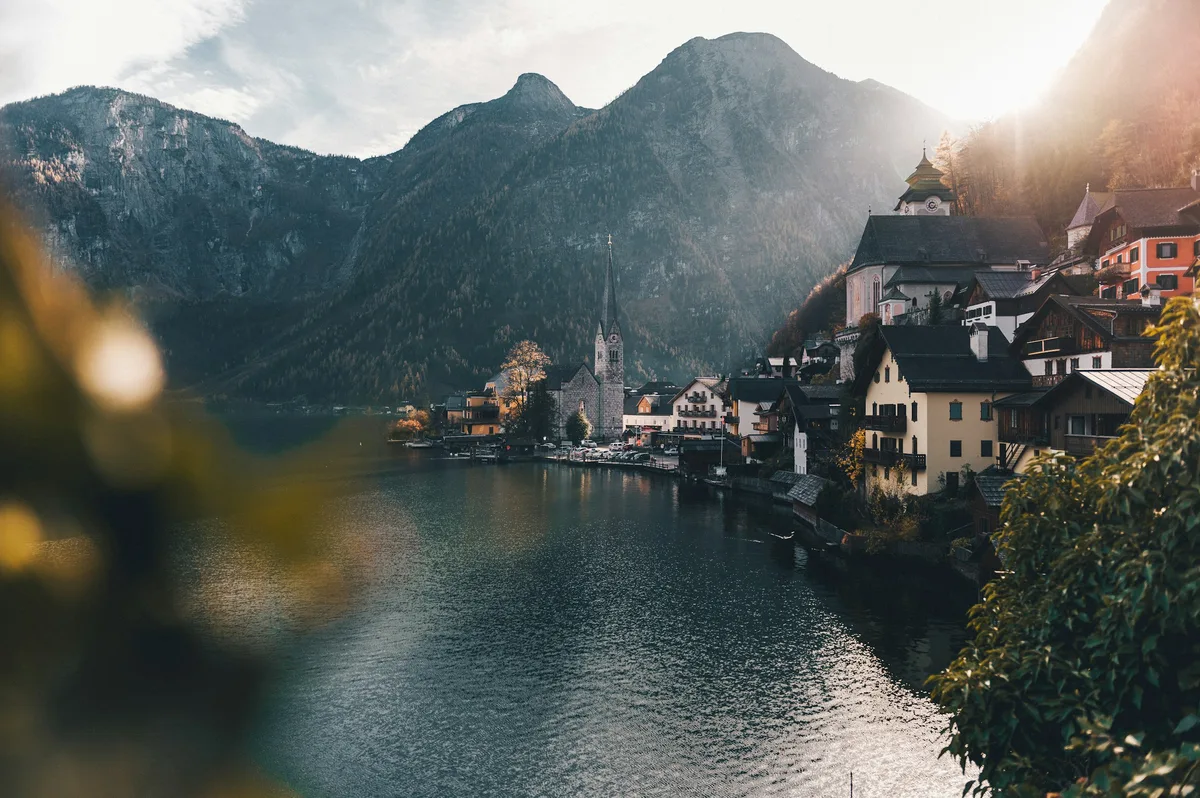 Hallstatt
Austria
A lakeside village in the Salzkammergut, its pastel houses and church spire reflected in the Hallstättersee against a backdrop of the Austrian Alps — one of Europe's most photographed small towns.
4
Hallstatt
Austria
A lakeside village in the Salzkammergut, its pastel houses and church spire reflected in the Hallstättersee against a backdrop of the Austrian Alps — one of Europe's most photographed small towns.
4
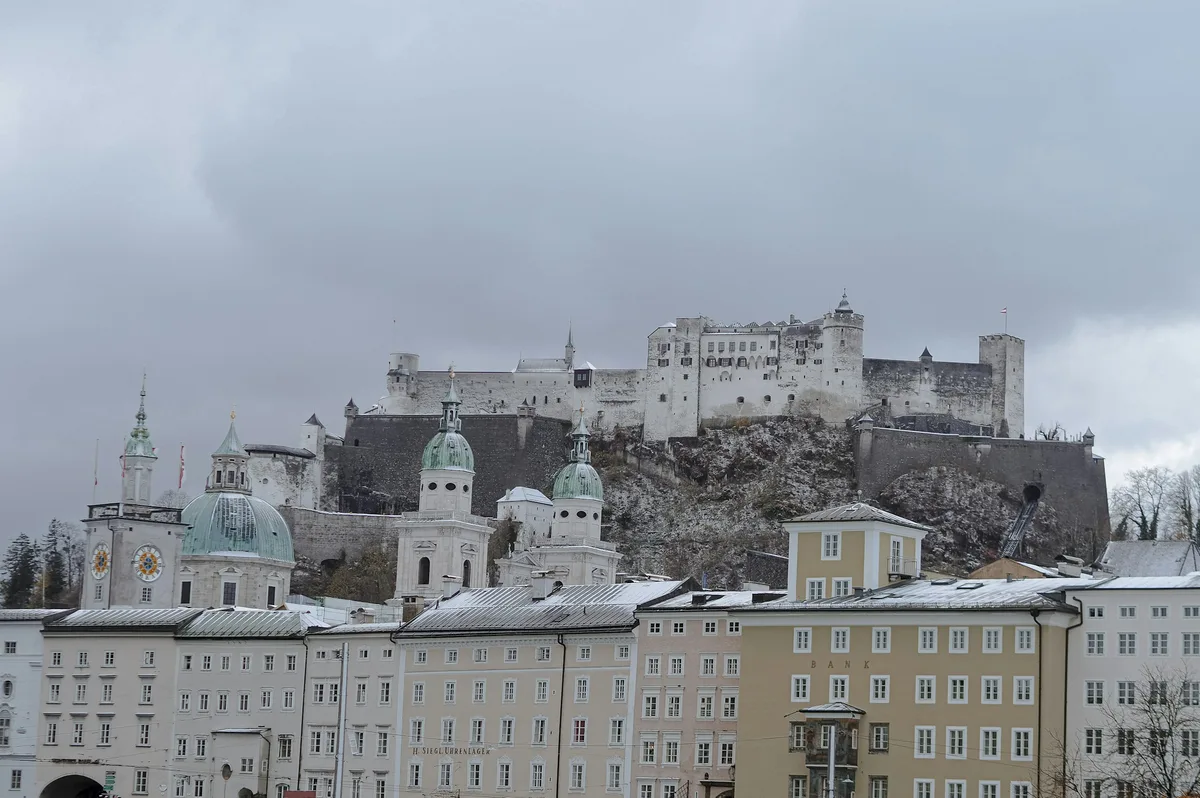 Hohensalzburg Fortress, Salzburg
Austria
One of Europe's largest surviving medieval castles, perched above Salzburg's baroque old town with sweeping views over the city and the Alps beyond.
5
Hohensalzburg Fortress, Salzburg
Austria
One of Europe's largest surviving medieval castles, perched above Salzburg's baroque old town with sweeping views over the city and the Alps beyond.
5
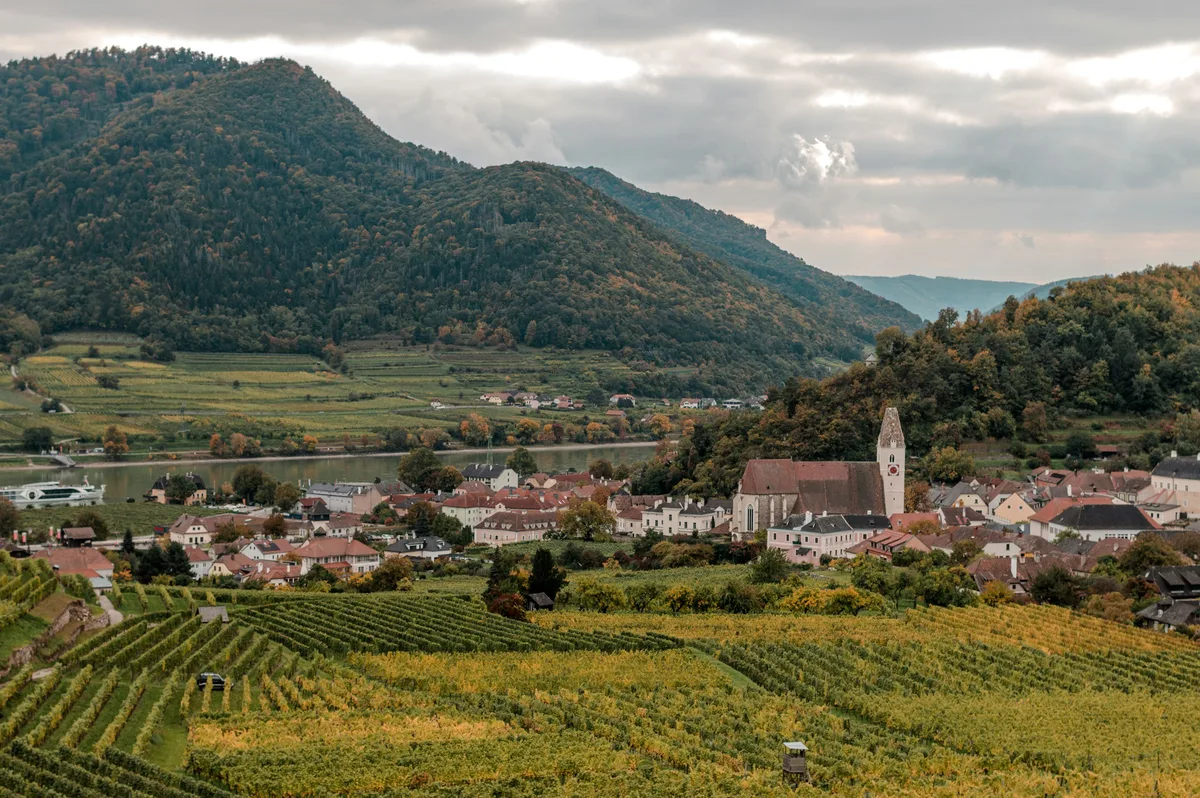 Wachau Valley
Austria
A UNESCO World Heritage wine region along the Danube between Melk and Krems, with terraced vineyards, riverside villages, and Dürnstein's ruined castle overlooking it all.
6
Wachau Valley
Austria
A UNESCO World Heritage wine region along the Danube between Melk and Krems, with terraced vineyards, riverside villages, and Dürnstein's ruined castle overlooking it all.
6
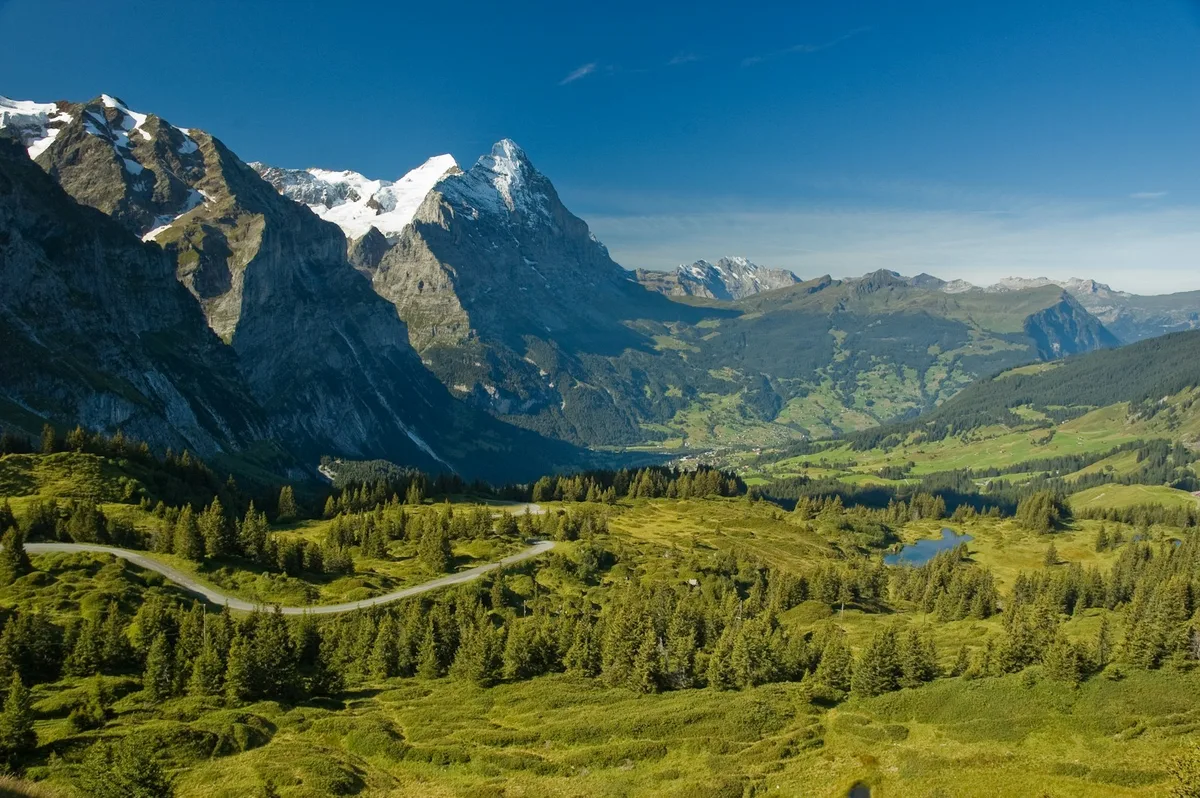 Grossglockner High Alpine Road
Austria
A scenic mountain highway climbing to over 2,500 metres past Austria's highest peak, the Grossglockner, with switchback views over glaciers and alpine valleys.
7
Grossglockner High Alpine Road
Austria
A scenic mountain highway climbing to over 2,500 metres past Austria's highest peak, the Grossglockner, with switchback views over glaciers and alpine valleys.
7
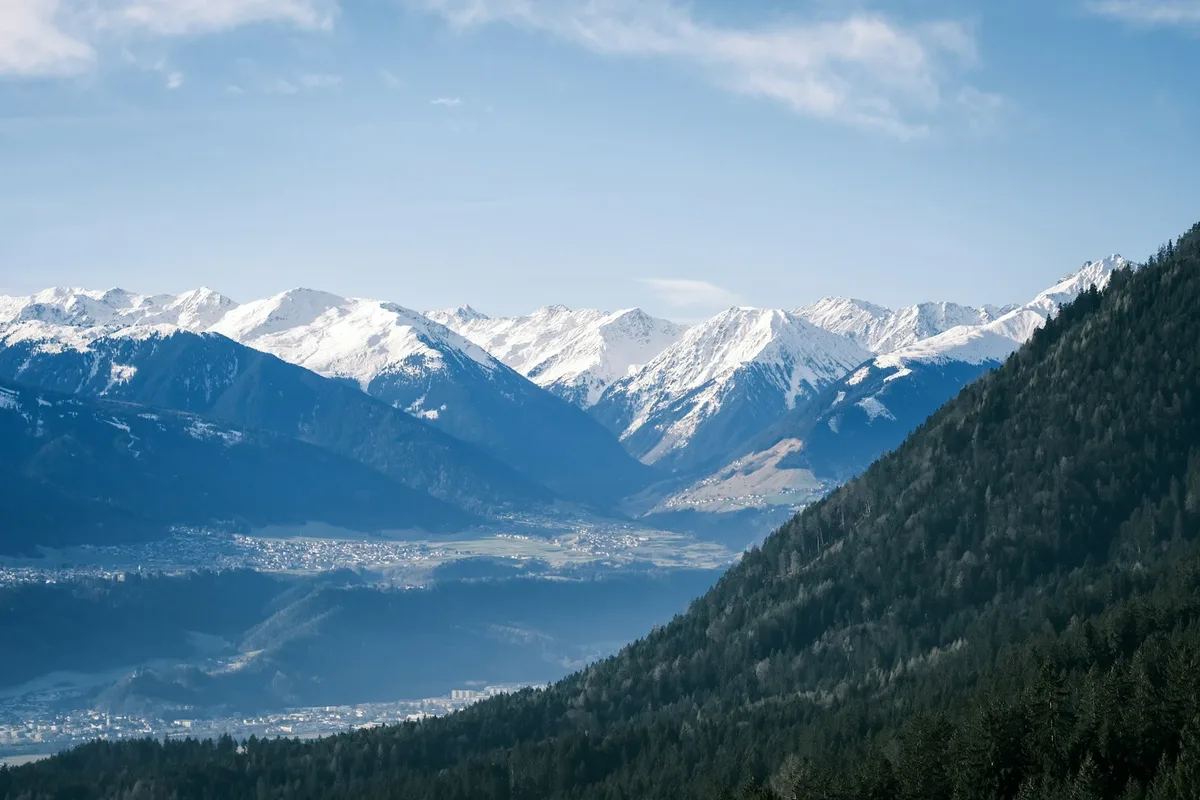 Innsbruck & the Nordkette
Austria
The capital of the Tyrol, set directly beneath the Nordkette mountain range, with a cable car rising from the historic centre to alpine terrain in a matter of minutes.
8
Innsbruck & the Nordkette
Austria
The capital of the Tyrol, set directly beneath the Nordkette mountain range, with a cable car rising from the historic centre to alpine terrain in a matter of minutes.
8
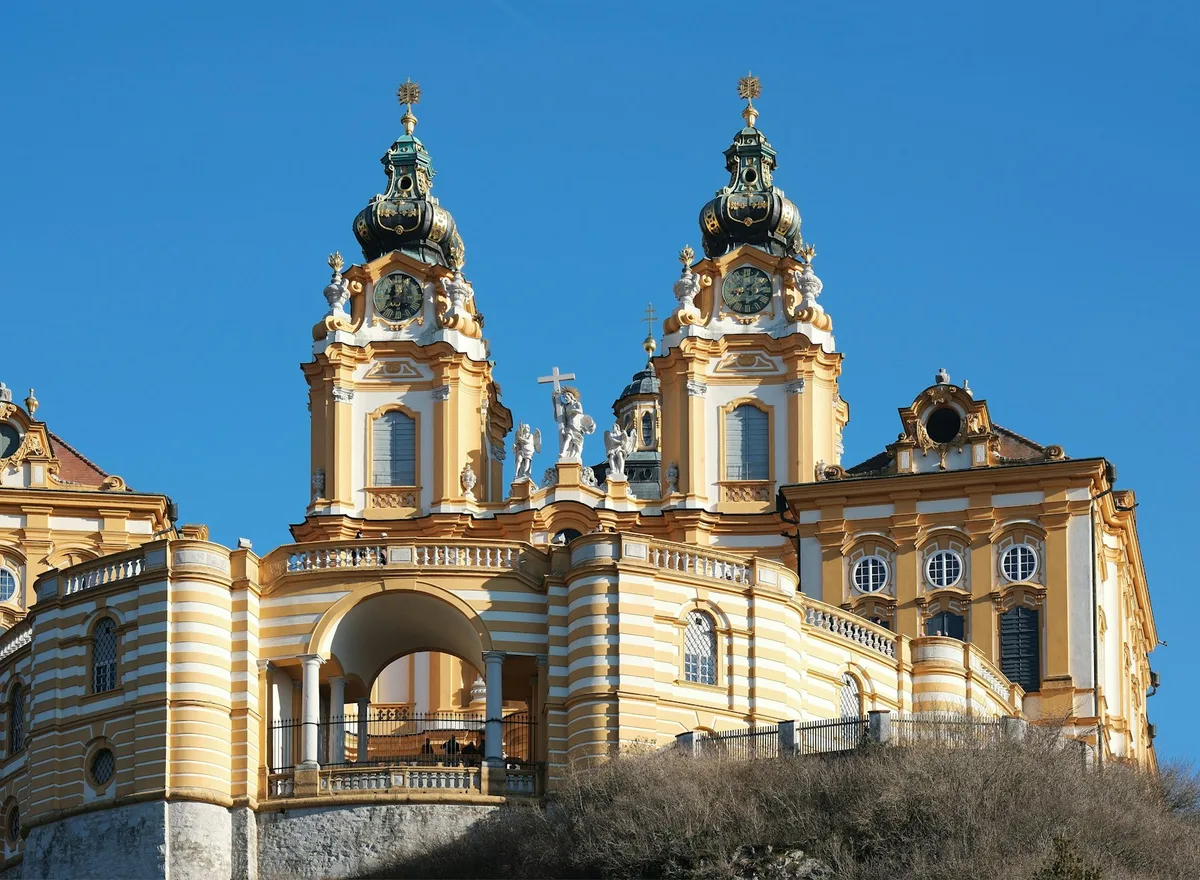 Melk Abbey
Austria
A baroque Benedictine monastery perched above the Danube at the entrance to the Wachau Valley, with a famous library and abbey church topped by twin yellow towers.
9
Melk Abbey
Austria
A baroque Benedictine monastery perched above the Danube at the entrance to the Wachau Valley, with a famous library and abbey church topped by twin yellow towers.
9
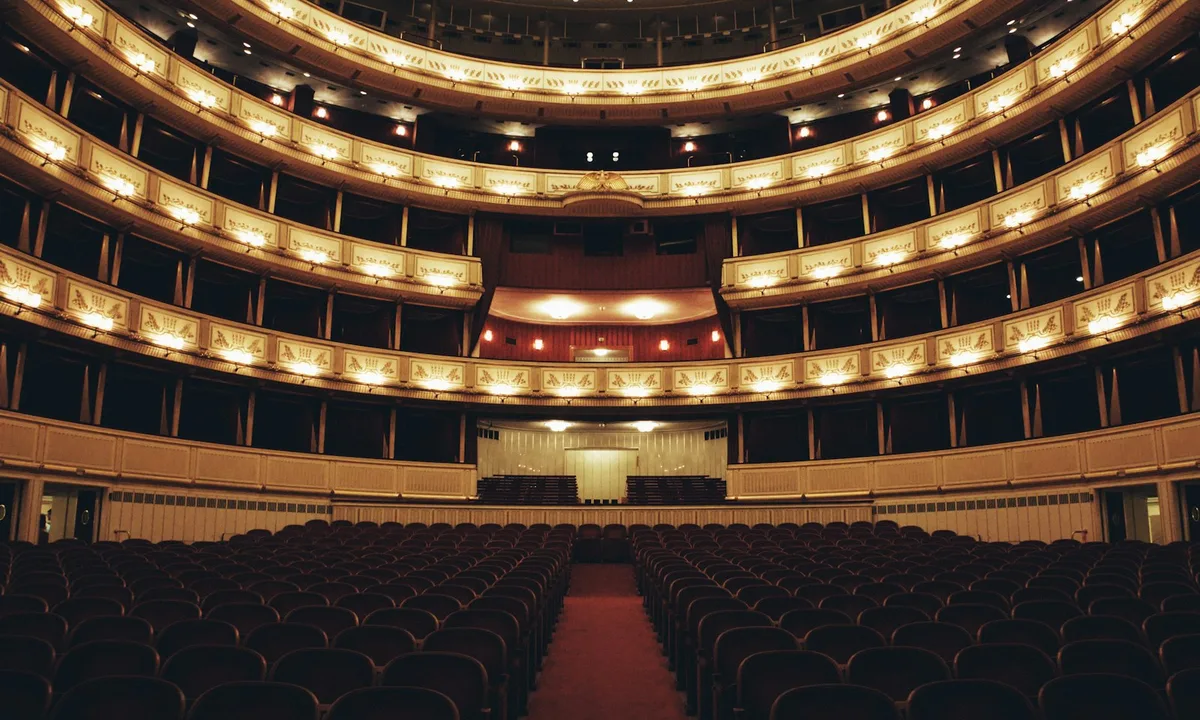 Vienna State Opera
Austria
One of the world's leading opera houses, opened in 1869 on Vienna's Ringstrasse, staging a different opera or ballet production most nights of its season.
Vienna State Opera
Austria
One of the world's leading opera houses, opened in 1869 on Vienna's Ringstrasse, staging a different opera or ballet production most nights of its season.
May, June and September offer mild weather and fewer crowds in Vienna and Salzburg; December draws visitors for Christmas markets, while winter (December-March) is peak season for the Alpine regions around Innsbruck and the Grossglockner area's ski resorts.
Austria has an excellent train network between its main cities, but the Grossglockner High Alpine Road, the Wachau Valley's smaller villages and rural Alpine routes are far easier to see at your own pace with a private vehicle.
Vienna and Salzburg have warm summers (20-27°C / 68-81°F) and cold, sometimes snowy winters; the Alpine regions around Innsbruck and the Grossglockner stay cooler year-round, so pack layers if your route includes the mountains.
Austria uses the euro. Tipping around 5-10% at restaurants is standard practice, usually done by rounding up the bill or telling the server the total amount to pay rather than leaving cash on the table.
The Grossglockner High Alpine Road is a toll road typically open only from May through October or November, depending on snowfall — check seasonal closures before planning a route through it.
Vienna's historic coffeehouses, several UNESCO-recognized as intangible cultural heritage, are meant to be lingered in — ordering one coffee and staying for hours with a newspaper is the local norm, not an imposition.
Tell us your group size and dates — we'll take care of the rest.