 TorontoOntario · 17 tours
 Niagara FallsOntario · 17 tours
 New York CityNew York · 8 tours
 Las VegasNevada · 8 tours
 San FranciscoCalifornia · 16 tours
 VancouverBritish Columbia · 17 tours
 DubaiUAE · 44 tours
 Abu DhabiUAE · 5 tours
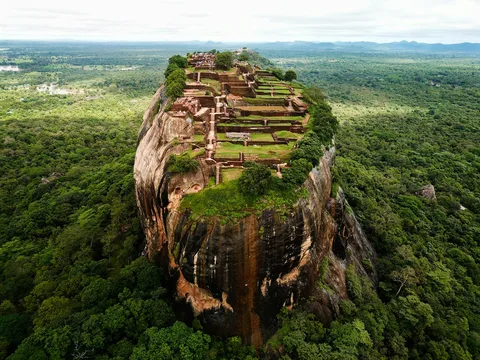 Sri LankaSri Lanka · 16 tours
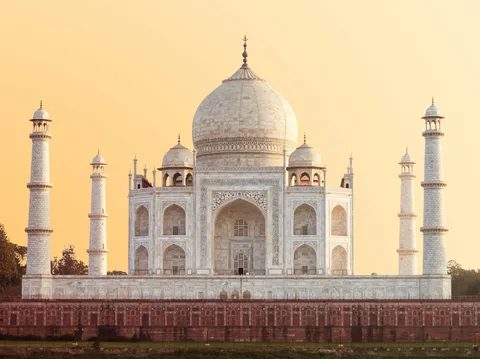 IndiaIndia · 13 tours
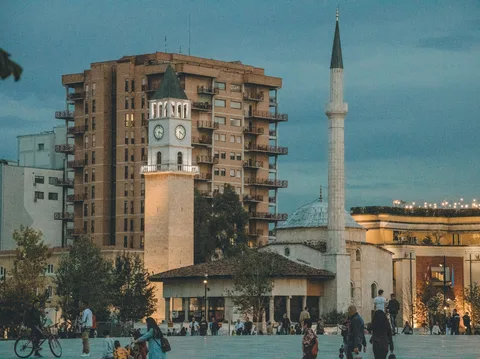 AlbaniaAlbania · 10 tours
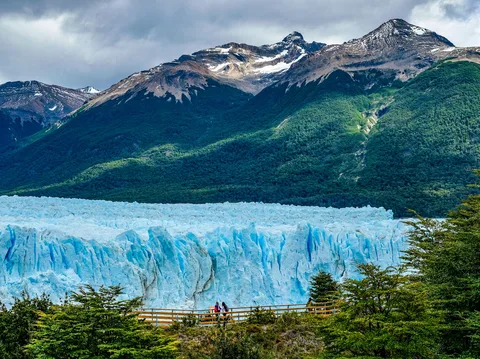 ArgentinaArgentina · 8 tours
No destinations match “”.
Voyzo runs 3 private tours in Czechia, covering 9 top attractions — each with your own guide, driver, and vehicle, and an itinerary built around your group rather than a fixed bus schedule.
Czechia is a land of fairy-tale castles, Gothic and Baroque architecture, and a beer culture that runs deep in daily life — Prague's spires and the Vltava River sit alongside the spa towns of West Bohemia and the Renaissance streets of Moravia's capital, Brno. From Prague Castle and the Astronomical Clock to the UNESCO-listed old town of Český Krumlov and the thermal springs of Karlovy Vary, the country rewards travellers who want history, architecture and a slower pace in equal measure.
Several of our Czechia routes also venture beyond the border on day trips or as part of a longer road trip — into Germany's Saxon Switzerland sandstone country, or as far as Austria and Germany on a multi-country Christmas markets tour. Where that happens, we say so plainly in the tour details, so you always know which country you'll be waking up in each morning.
Multi-Day Tours Popular Pick
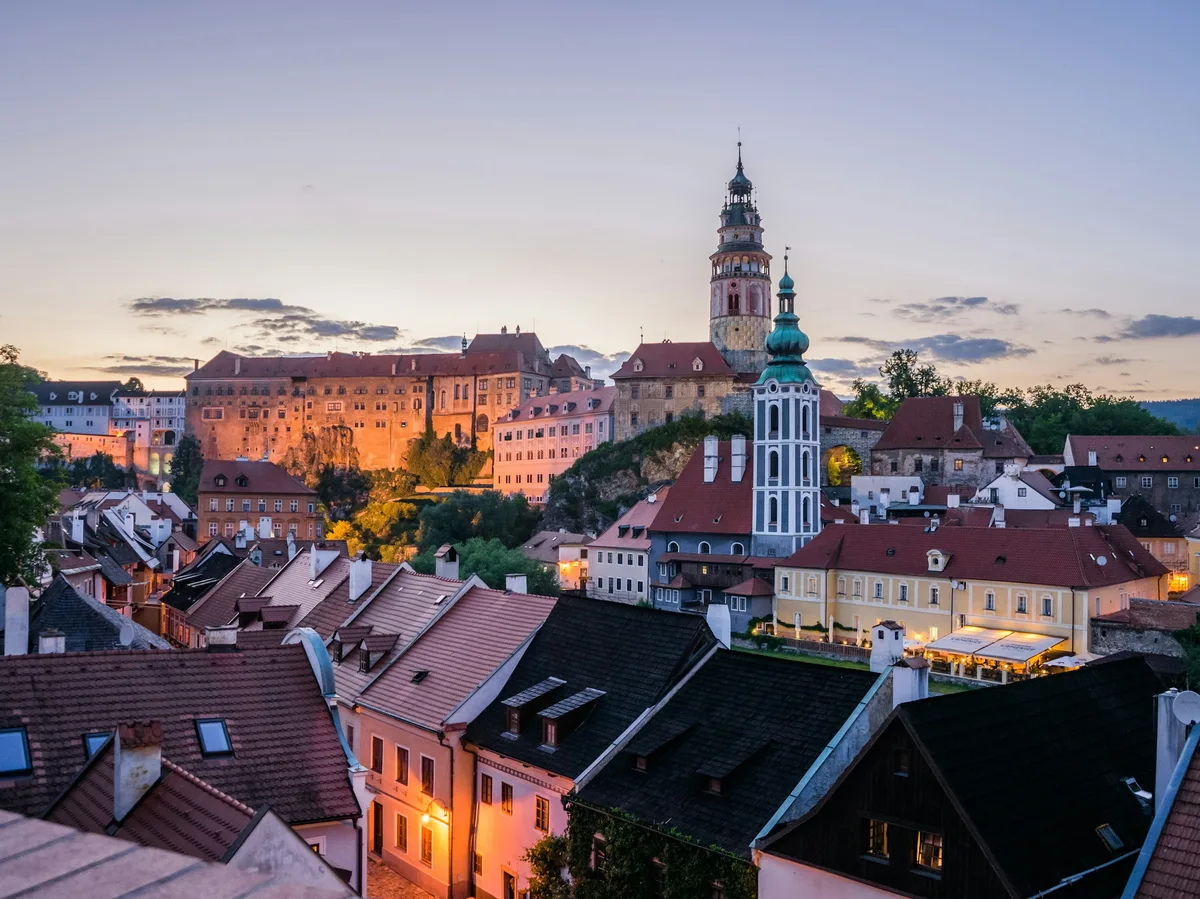
A 10-day loop through Bohemia and Moravia's best-known castles, cathedrals and spa towns, from Prague Castle and the Kutná Hora ossuary to Český Krumlov and the thermal springs of Karlovy Vary.
 Multi-Day Tours
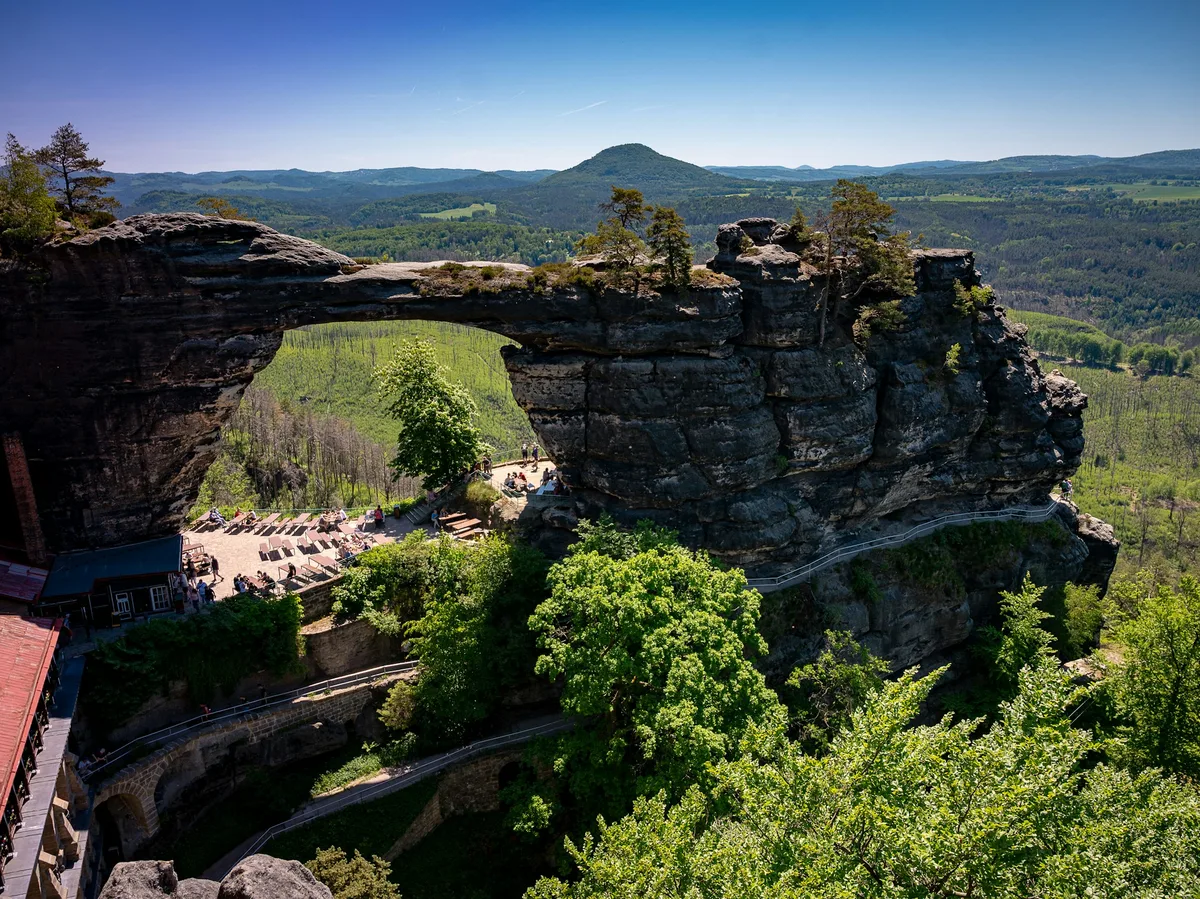
An 8-day, Prague-based hiking adventure through the sandstone canyons and forests of Bohemian Switzerland National Park, with a day trip across the border to Saxon Switzerland and a visit to Český Krumlov.
 Multi-Day Tours
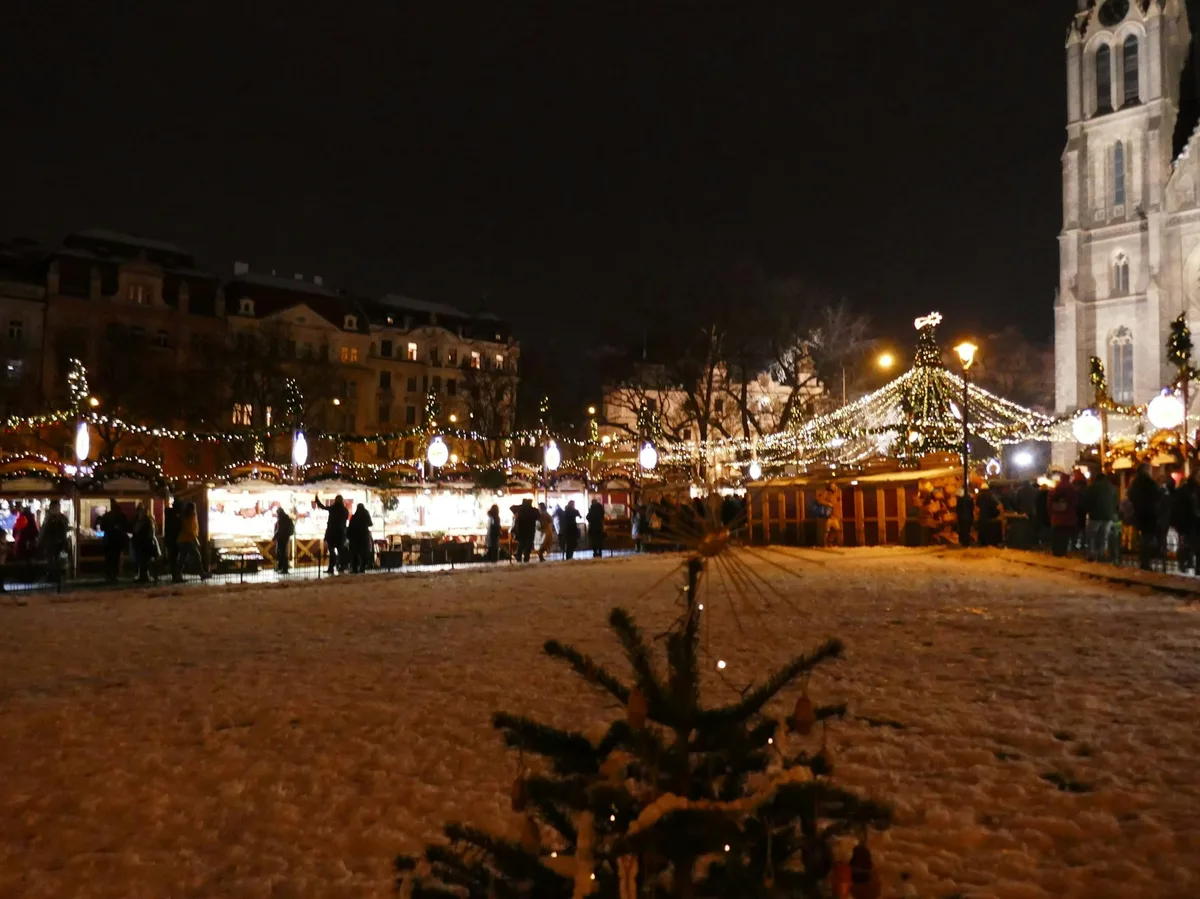
A grand 15-day festive road trip through the Christmas markets of Vienna, Salzburg, Munich, Nuremberg and Dresden, finishing with the market in Prague's Old Town before returning through Český Krumlov to Vienna.
Every Czechia tour is matched to your party size — here's the fleet we draw from for this region.
| Vehicle | Model | Capacity | Best For |
|---|---|---|---|
| Private Car / SUV | Škoda Kodiaq | Up to 5 guests | A comfortable, locally-favoured SUV ideal for couples or small families touring Prague and Czechia's castle towns. |
| Private Van | Mercedes-Benz V-Class, air-conditioned | Up to 12 guests | A spacious, air-conditioned van suited to families and small groups covering longer stretches between Bohemia and Moravia. |
| Mini-Coach | Mercedes-Benz Sprinter mini-coach | Up to 25 guests | A larger mini-coach with a driver-guide, built for groups touring multiple Czech cities or joining multi-country Christmas market routes. |
Popular stops our guides build into Czechia itineraries — tap any attraction to learn more.
 Prague Castle
Czechia
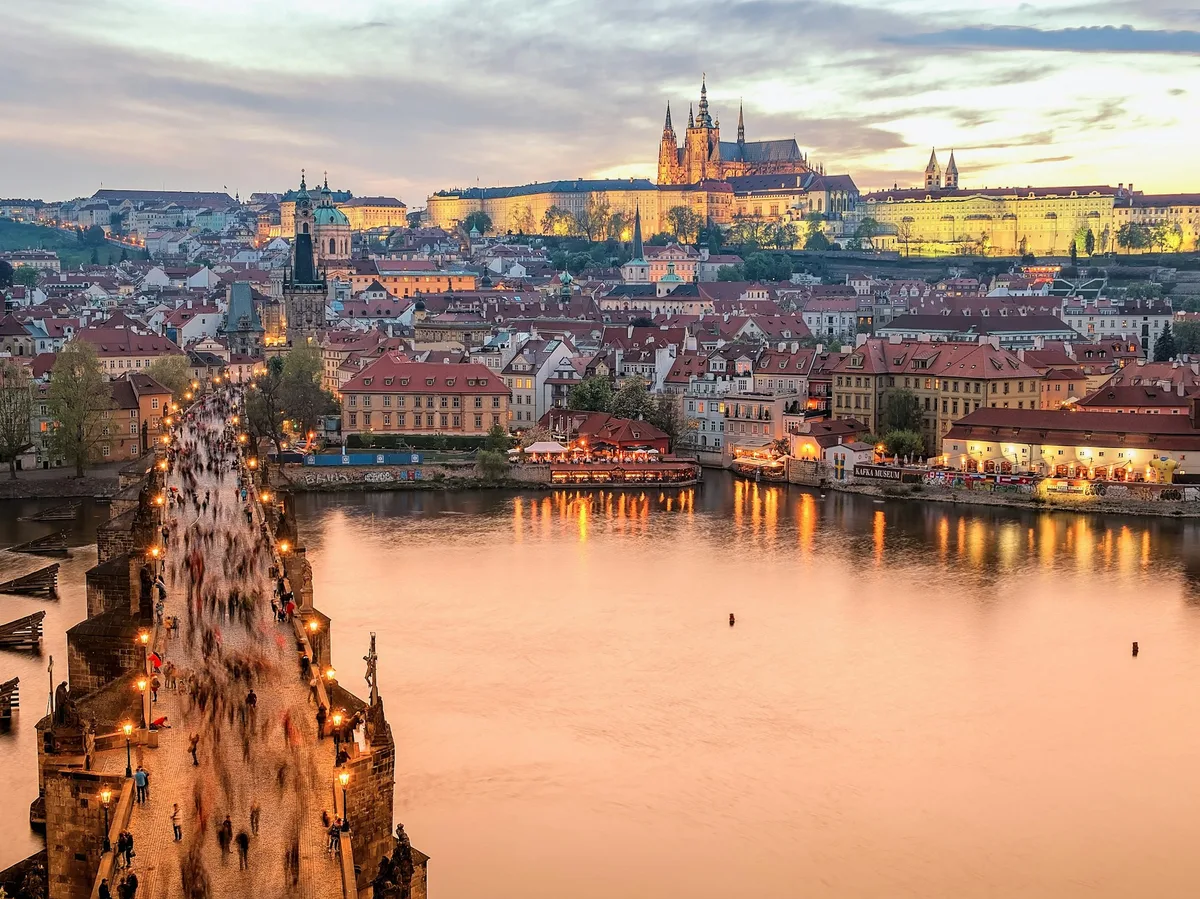
The largest ancient castle complex in the world by area, Prague Castle has been the seat of Czech rulers since the 9th century and today houses the office of the President of the Republic, alongside St. Vitus Cathedral.
2
Prague Castle
Czechia
The largest ancient castle complex in the world by area, Prague Castle has been the seat of Czech rulers since the 9th century and today houses the office of the President of the Republic, alongside St. Vitus Cathedral.
2
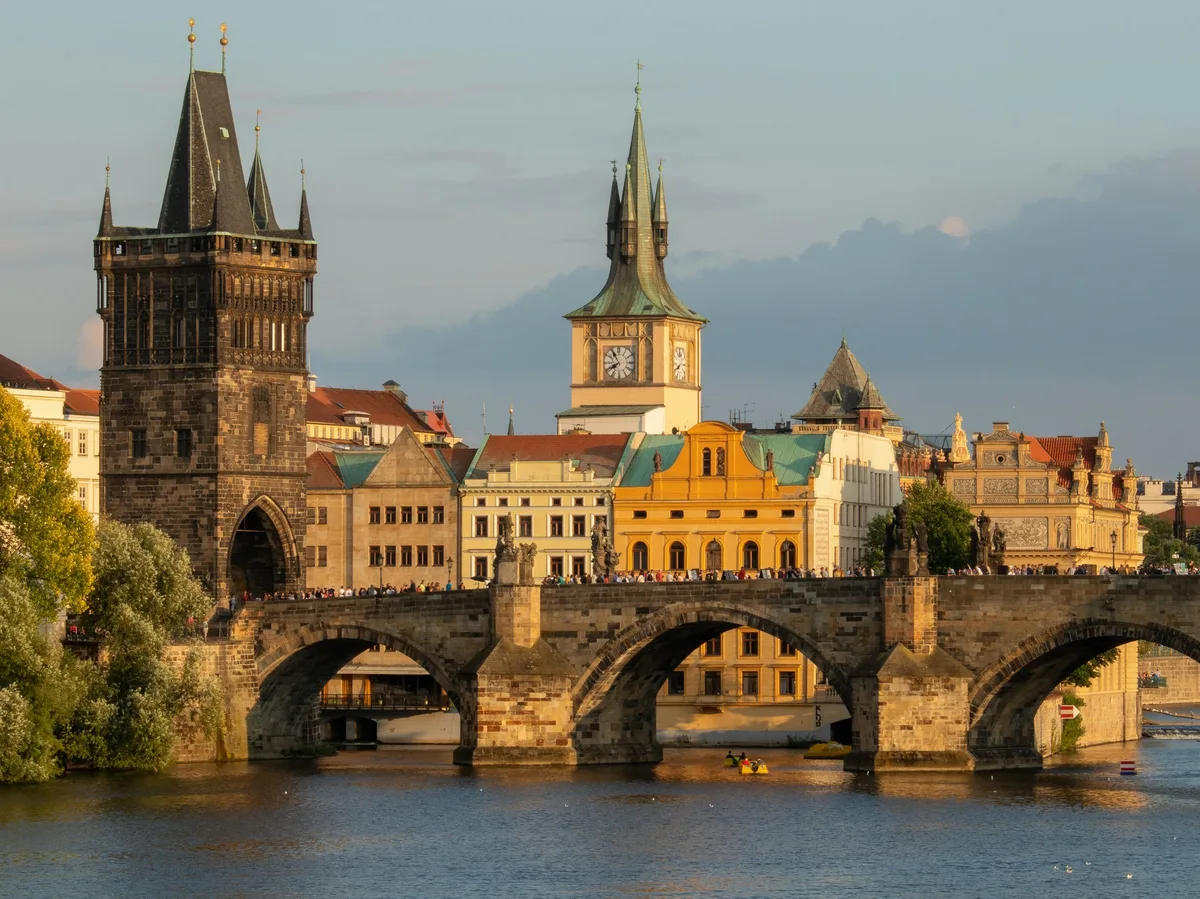 Charles Bridge
Czechia
This 14th-century stone bridge across the Vltava River, lined with 30 Baroque statues, connects Prague's Old Town and Lesser Town and remains the city's most iconic crossing.
3
Charles Bridge
Czechia
This 14th-century stone bridge across the Vltava River, lined with 30 Baroque statues, connects Prague's Old Town and Lesser Town and remains the city's most iconic crossing.
3
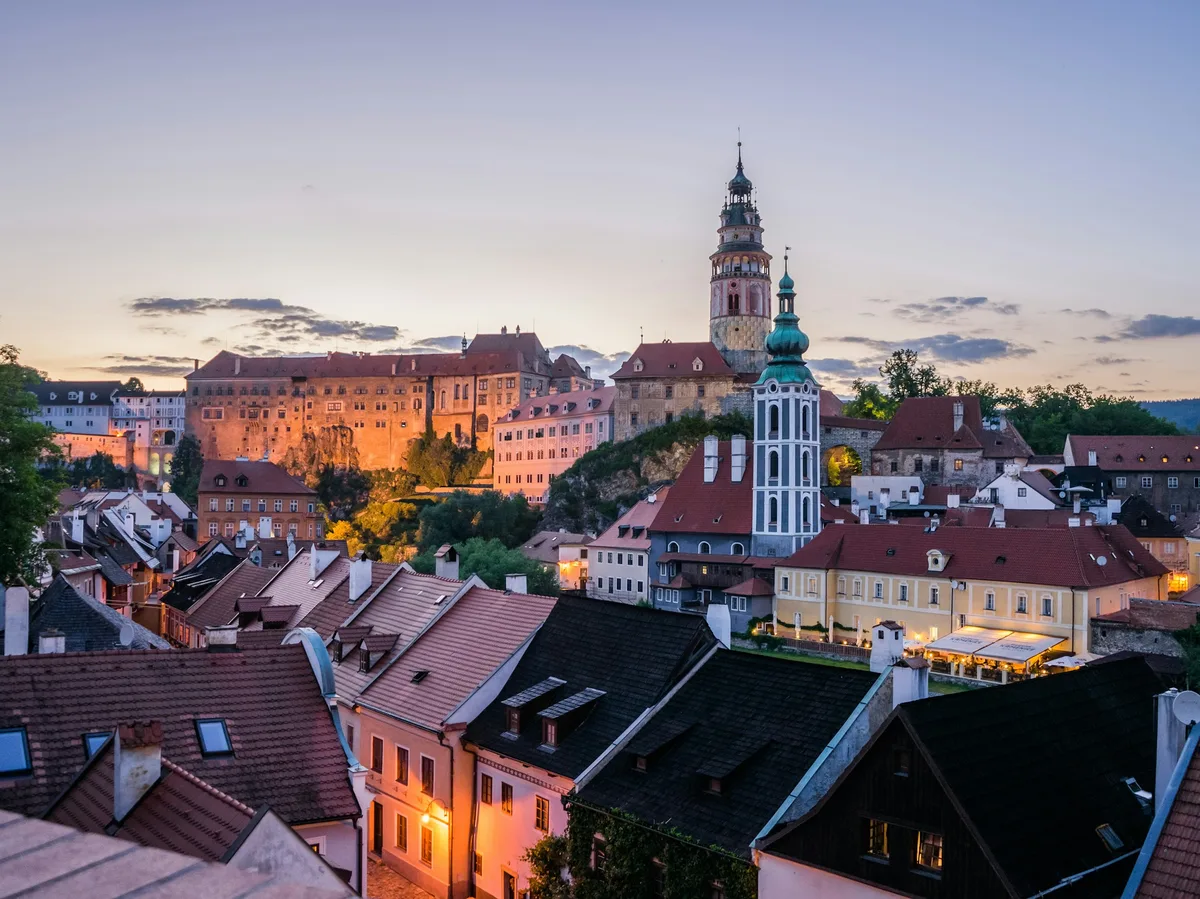 Český Krumlov Old Town
Czechia
A UNESCO World Heritage town in South Bohemia, Český Krumlov's medieval old town curls around a bend in the Vltava River beneath a spectacular 13th-century castle with Rococo gardens.
4
Český Krumlov Old Town
Czechia
A UNESCO World Heritage town in South Bohemia, Český Krumlov's medieval old town curls around a bend in the Vltava River beneath a spectacular 13th-century castle with Rococo gardens.
4
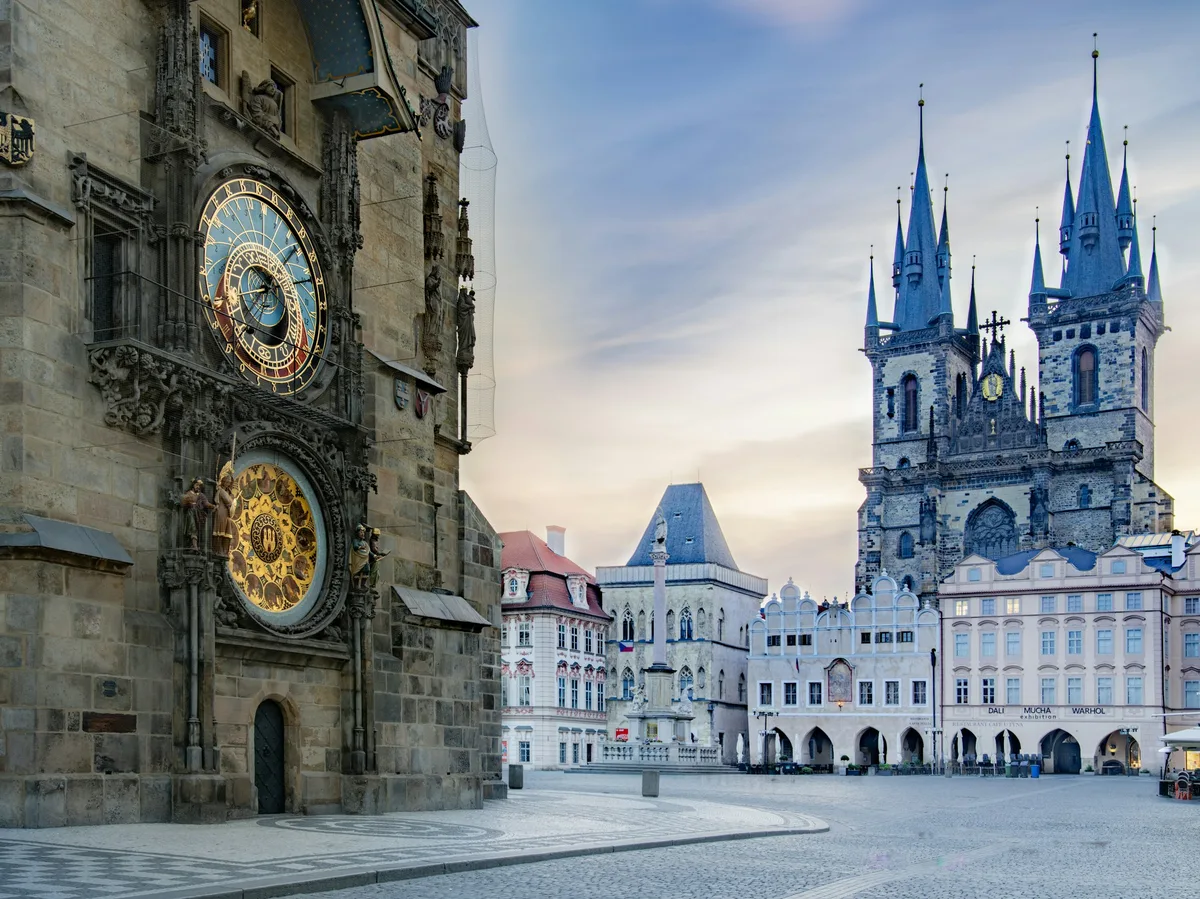 Old Town Square & Astronomical Clock
Czechia
The medieval heart of Prague, home to the 15th-century Astronomical Clock that still performs its hourly procession of the Apostles, along with the Church of Our Lady before Týn and the Old Town Hall.
5
Old Town Square & Astronomical Clock
Czechia
The medieval heart of Prague, home to the 15th-century Astronomical Clock that still performs its hourly procession of the Apostles, along with the Church of Our Lady before Týn and the Old Town Hall.
5
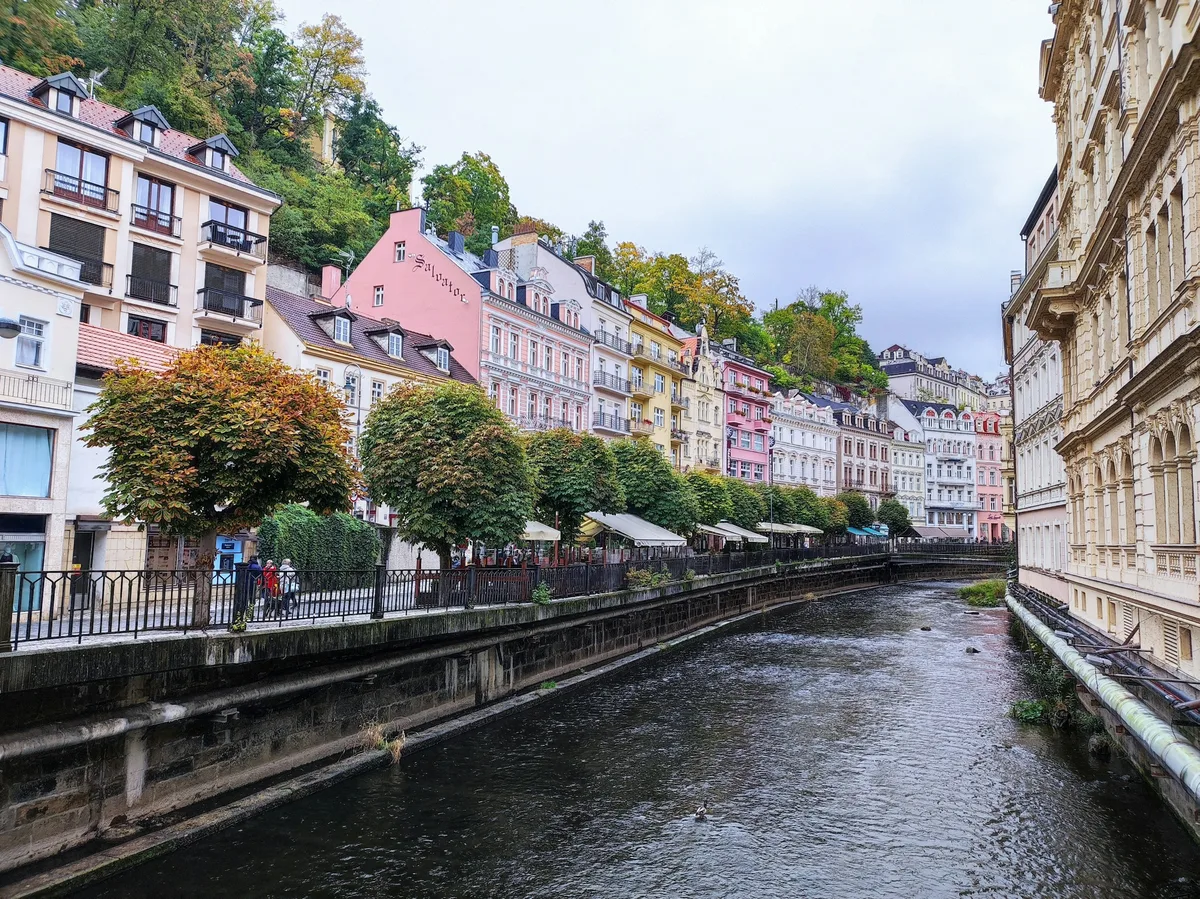 Karlovy Vary
Czechia
Czechia's best-known spa town, renowned for its thermal springs since the 18th century and once favoured by Beethoven, Goethe and Tsar Peter the Great; visitors still sip mineral water from its colonnades today.
6
Karlovy Vary
Czechia
Czechia's best-known spa town, renowned for its thermal springs since the 18th century and once favoured by Beethoven, Goethe and Tsar Peter the Great; visitors still sip mineral water from its colonnades today.
6
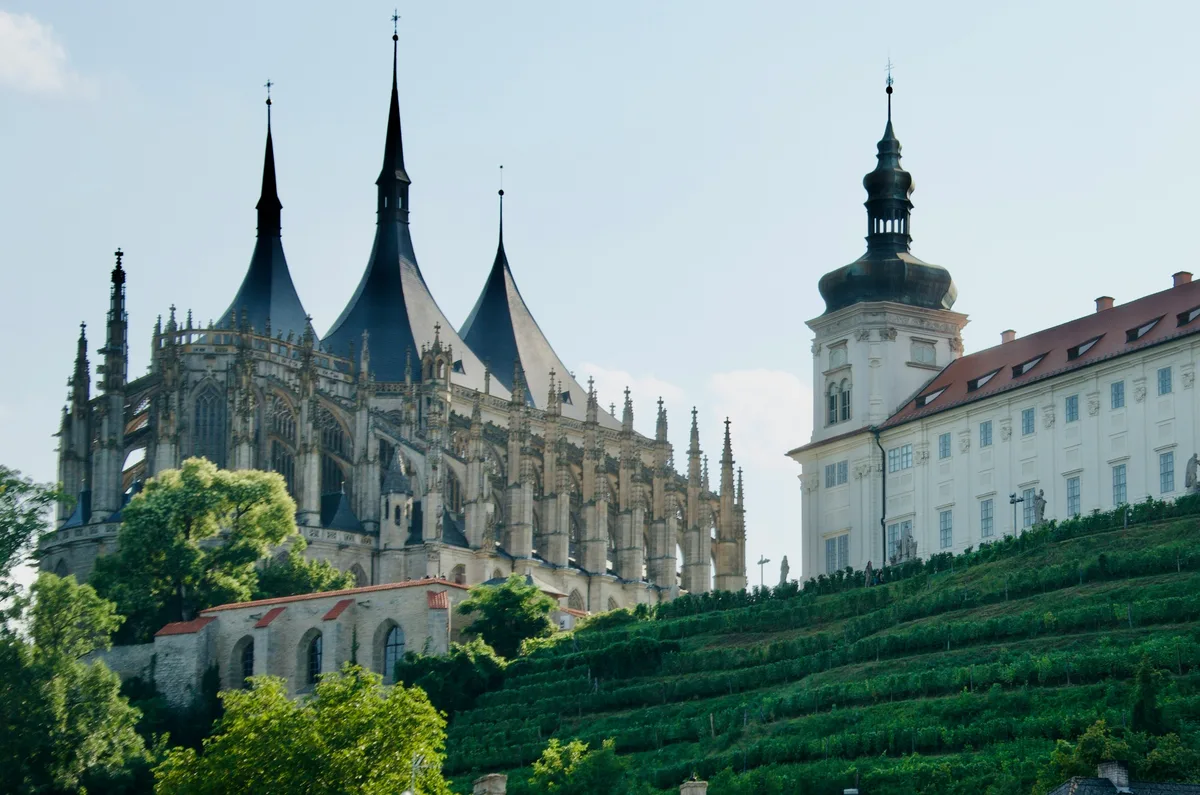 Kutna Hora & the Sedlec Ossuary
Czechia
A UNESCO-listed medieval silver-mining town near Prague, anchored by the Gothic Church of St. Barbara and best known for the Sedlec Ossuary, a small chapel decorated with the bones of an estimated 40,000 people.
7
Kutna Hora & the Sedlec Ossuary
Czechia
A UNESCO-listed medieval silver-mining town near Prague, anchored by the Gothic Church of St. Barbara and best known for the Sedlec Ossuary, a small chapel decorated with the bones of an estimated 40,000 people.
7
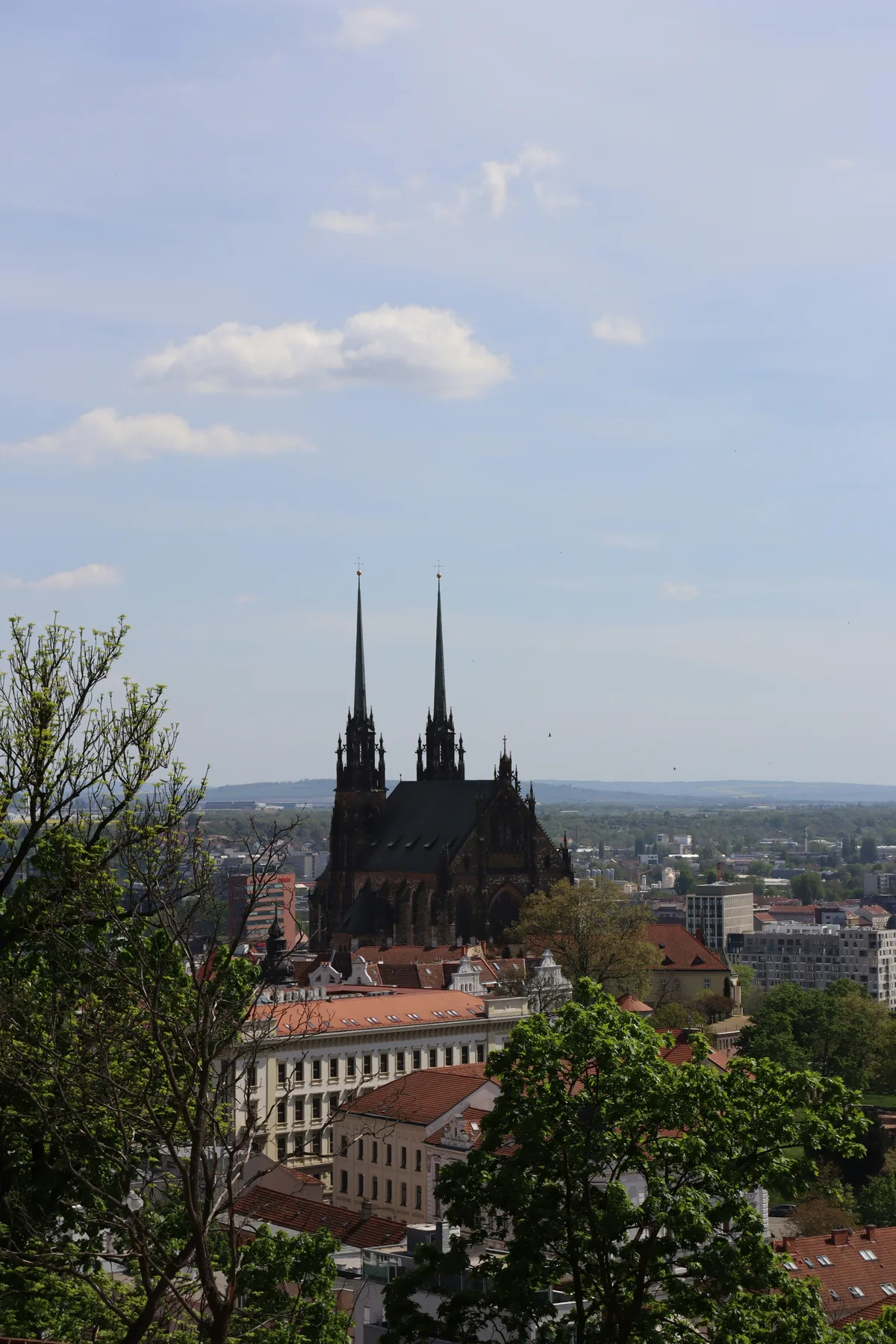 Brno's Old Town
Czechia
Moravia's capital and Czechia's second city, with Spilberk Castle overlooking the city and the twin Gothic spires of Petrov Cathedral on the skyline, quieter and less touristed than Prague.
8
Brno's Old Town
Czechia
Moravia's capital and Czechia's second city, with Spilberk Castle overlooking the city and the twin Gothic spires of Petrov Cathedral on the skyline, quieter and less touristed than Prague.
8
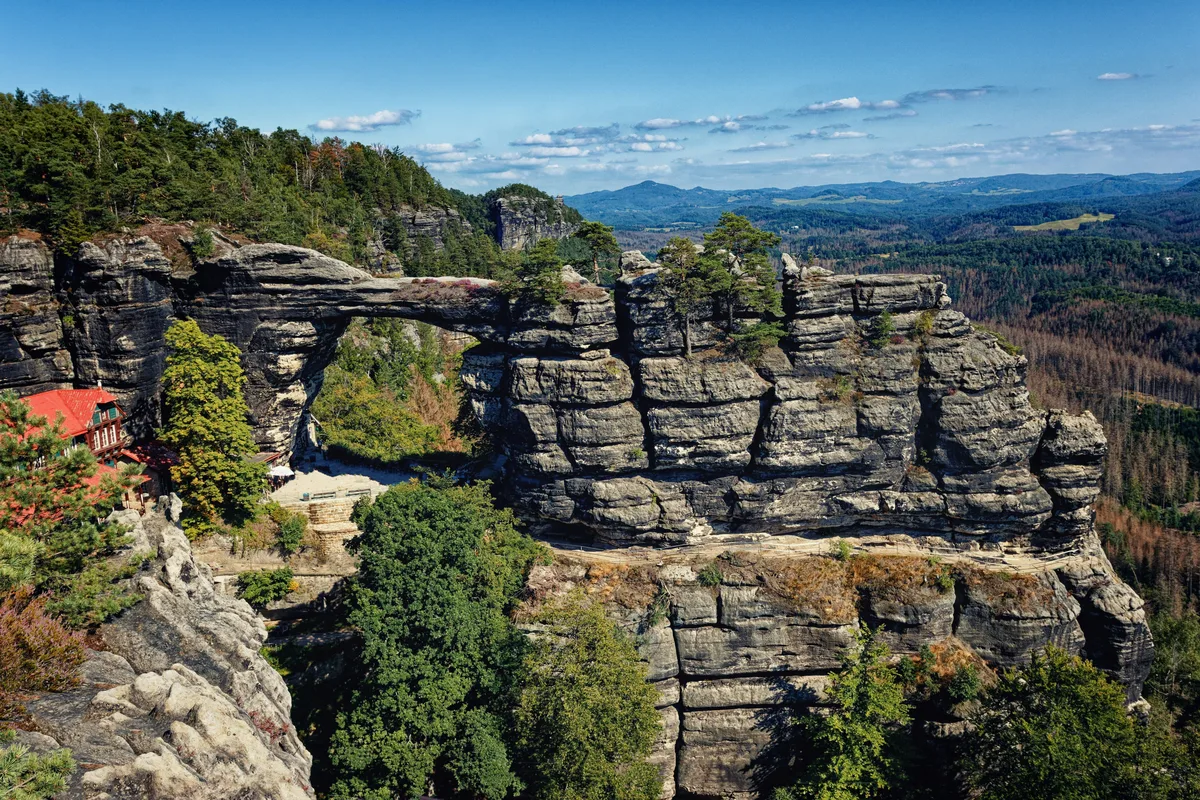 Bohemian Switzerland National Park
Czechia
Sandstone cliffs, deep gorges, and the Pravcicka Brana, the largest natural sandstone arch in Europe, along the Czech-German border, explored on hiking trails and river boat trips through the Kamenice Gorge.
9
Bohemian Switzerland National Park
Czechia
Sandstone cliffs, deep gorges, and the Pravcicka Brana, the largest natural sandstone arch in Europe, along the Czech-German border, explored on hiking trails and river boat trips through the Kamenice Gorge.
9
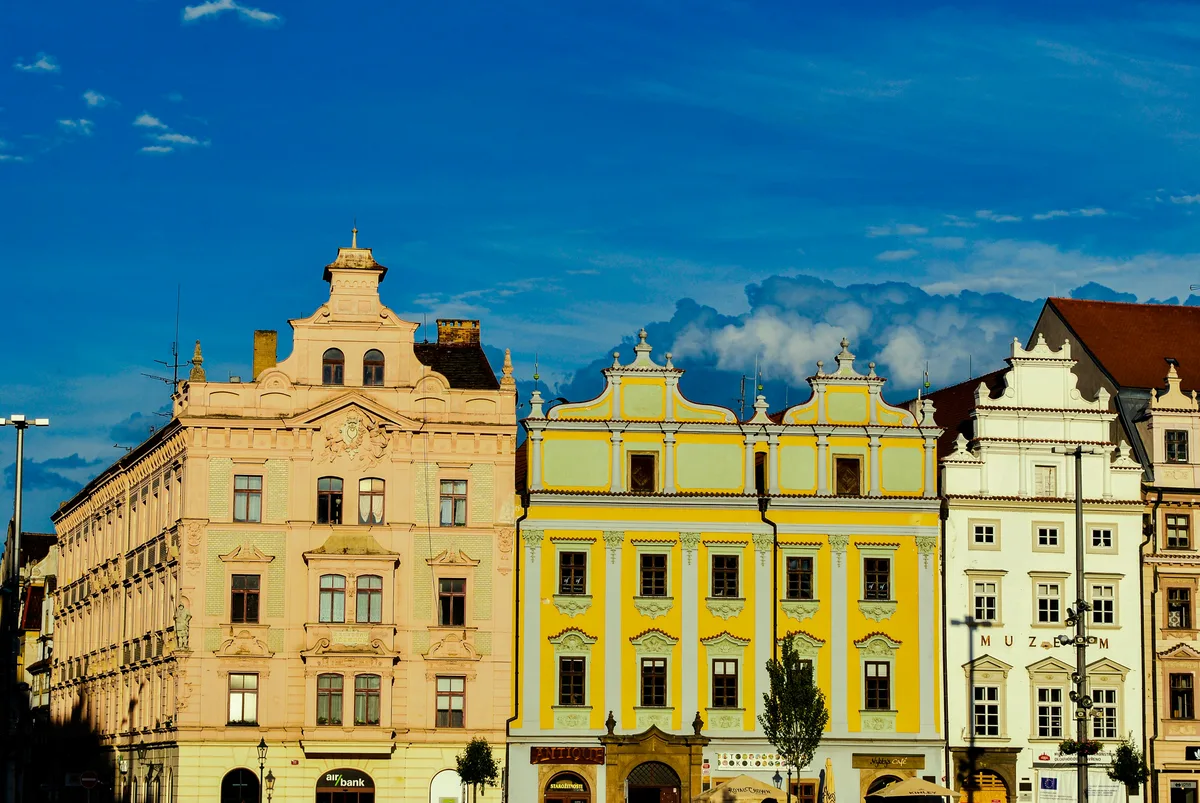 Plzen's Historic Center
Czechia
The city that gave the world Pilsner-style lager in 1842, with a Gothic cathedral, a network of medieval underground passages beneath the old town, and the Pilsner Urquell brewery on its edge.
Plzen's Historic Center
Czechia
The city that gave the world Pilsner-style lager in 1842, with a Gothic cathedral, a network of medieval underground passages beneath the old town, and the Pilsner Urquell brewery on its edge.
May-June and September bring mild weather with fewer crowds than peak summer. December has its own distinct appeal, centered on Prague's Christmas markets.
Prague's historic core is compact and walkable. Day trips to Kutna Hora, Cesky Krumlov, and Karlovy Vary are most efficient by private vehicle, given limited direct train and bus schedules to some of these towns.
Czechia has a continental climate — warm summers, cold winters with regular snow. Layers are useful in spring and autumn, when temperatures can swing widely within a single day.
Czechia uses the Czech koruna (CZK), not the euro, despite EU membership. Rounding up or adding roughly 10% at restaurants is standard practice.
Czech beer culture runs deep — the country consistently ranks among the highest in the world for per-capita beer consumption, and pub culture is a genuine part of daily social life, not just a tourist activity.
Some Czechia routes venture into Germany's Saxon Switzerland region, or on longer trips, into Austria and Germany for Christmas markets. Every crossing is disclosed plainly in the tour details.
Tell us your group size and dates — we'll take care of the rest.