 TorontoOntario · 17 tours
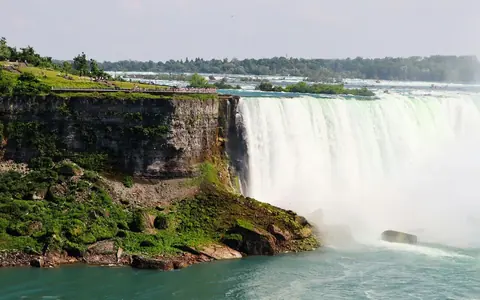 Niagara FallsOntario · 17 tours
 New York CityNew York · 8 tours
 Las VegasNevada · 8 tours
 San FranciscoCalifornia · 16 tours
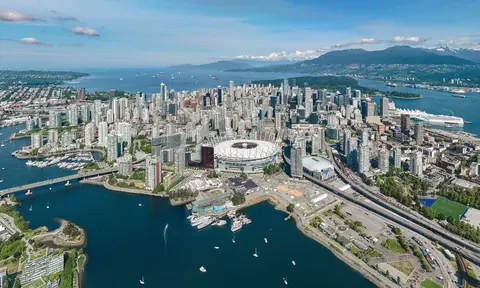 VancouverBritish Columbia · 17 tours
 DubaiUAE · 44 tours
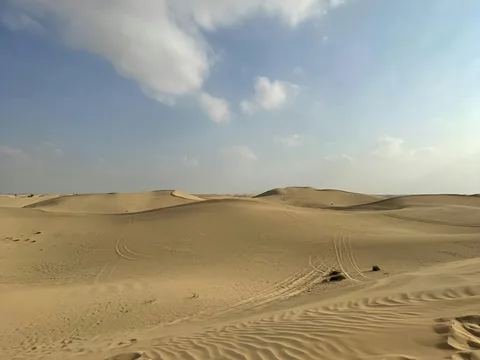 Abu DhabiUAE · 5 tours
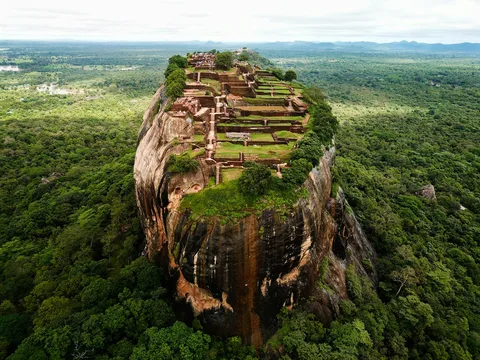 Sri LankaSri Lanka · 16 tours
 IndiaIndia · 13 tours
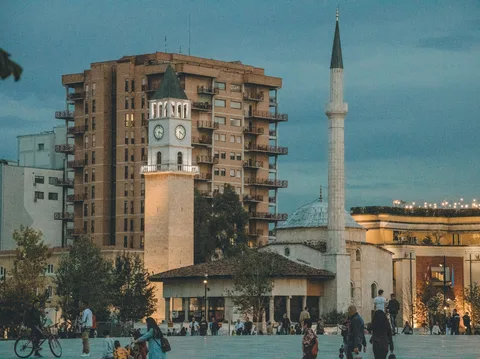 AlbaniaAlbania · 10 tours
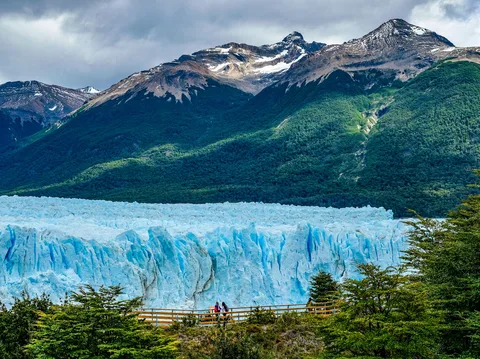 ArgentinaArgentina · 8 tours
No destinations match “”.
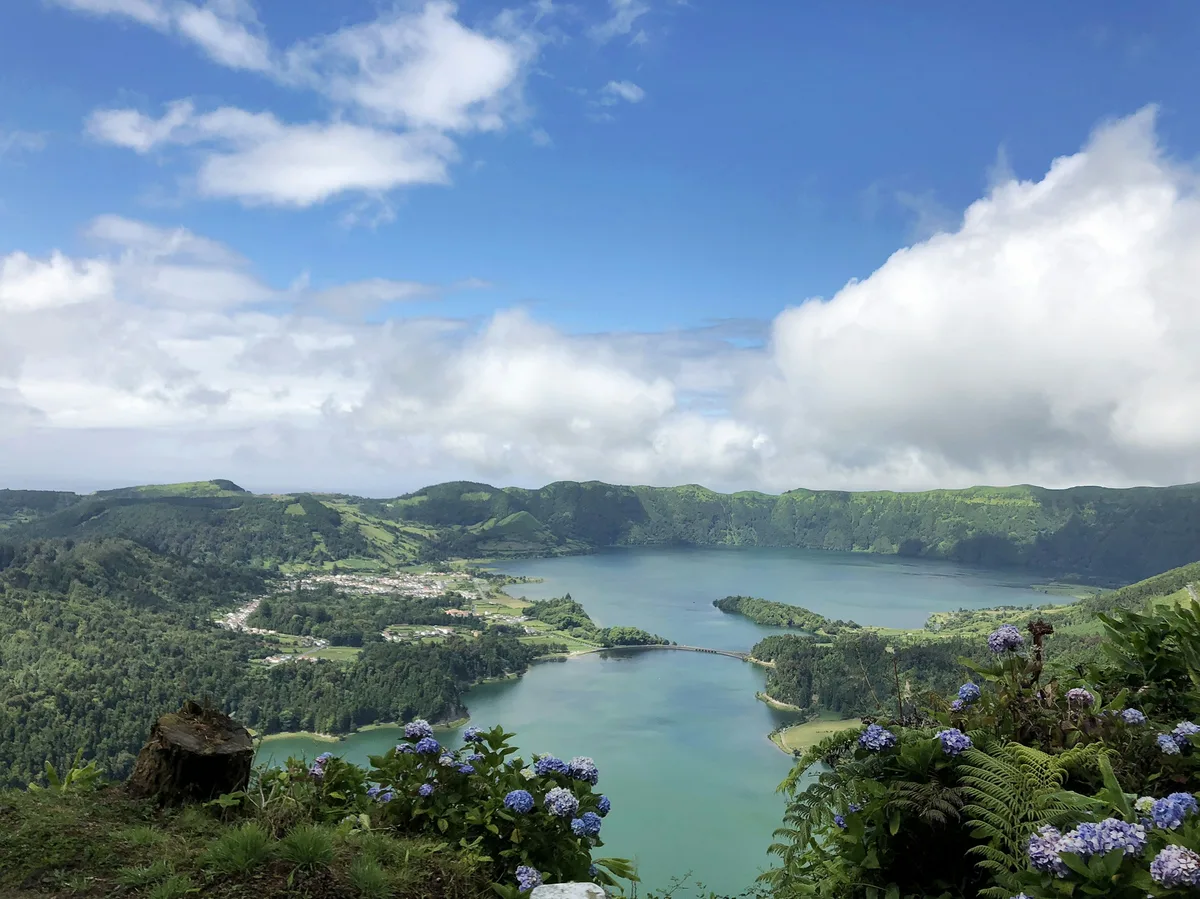
Voyzo runs 2 private tours in Azores, covering 8 top attractions — each with your own guide, driver, and vehicle, and an itinerary built around your group rather than a fixed bus schedule.
The Azores are a chain of nine volcanic islands in the mid-Atlantic, roughly 1,400 km from mainland Portugal, known for crater lakes, thermal hot springs, hydrangea-lined roads and dramatic green coastline built from lava rock.
Some Voyzo Azores itineraries — including the Lisbon & the Azores route — start or continue on mainland Portugal, with nights in Lisbon and day trips to Sintra and Cascais, before flying on to São Miguel; we disclose exactly which nights are on the islands versus the mainland in every itinerary.
Multi-Day Tours Popular Pick
An 8-day journey across São Miguel, Faial and Pico islands — crater lakes, volcanic hikes, lava caves and whale-country waters — all with your own private guide and driver.
 Multi-Day Tours
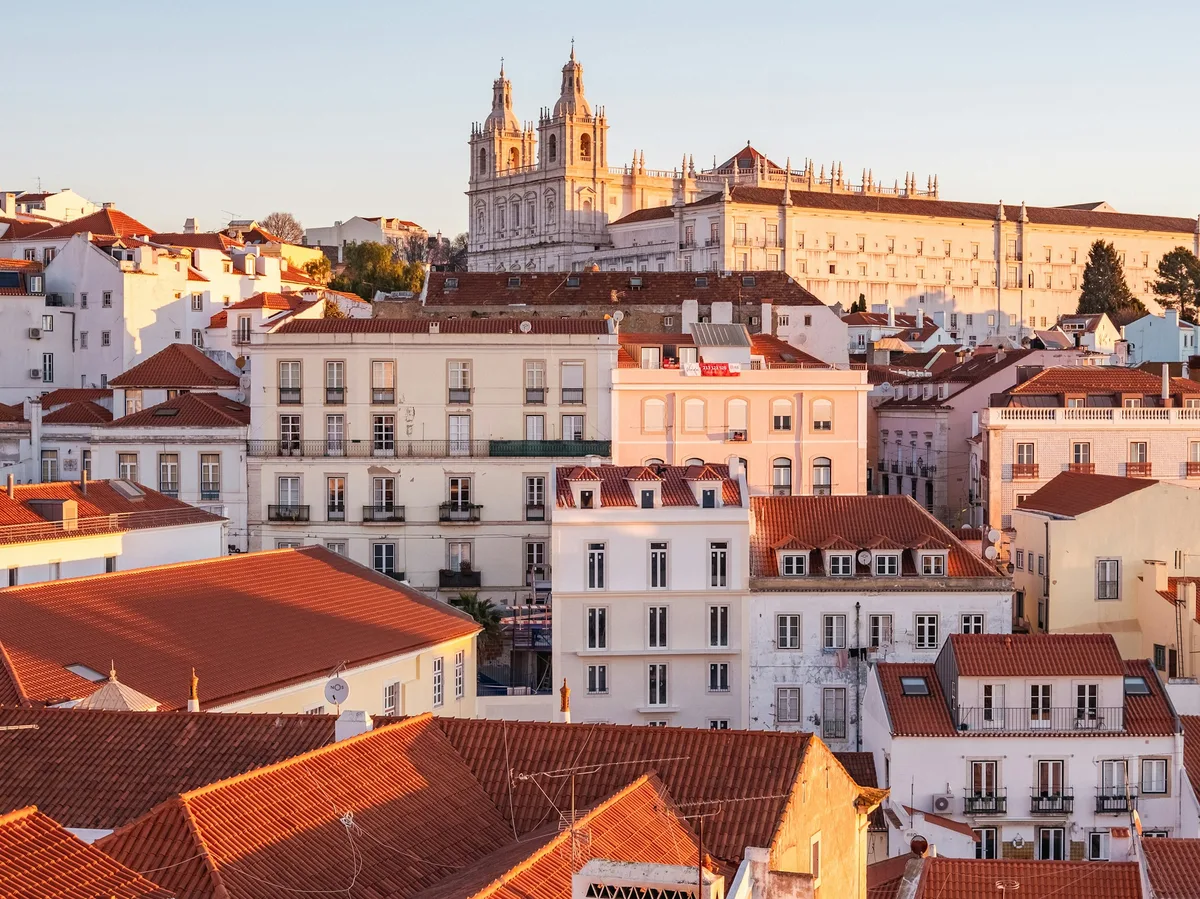
Four nights discovering Lisbon, Sintra and Cascais on mainland Portugal, then four nights exploring São Miguel in the Azores — with a private driver throughout instead of a rental car.
Every Azores tour is matched to your party size — here's the fleet we draw from for this region.
| Vehicle | Model | Capacity | Best For |
|---|---|---|---|
| Private Car / SUV | Land Rover Discovery | Up to 5 guests | A comfortable 4x4 SUV built for the Azores' volcanic roads and jeep-track viewpoints, with your private driver-guide. |
| Private Van | Mercedes-Benz Sprinter, air-conditioned | Up to 12 guests | A spacious, air-conditioned van for small groups and families touring São Miguel and beyond. |
| Mini-Coach | Iveco Daily mini-coach | Up to 25 guests | A mini-coach for larger groups, ideal for full-day Furnas and Sete Cidades excursions. |
Popular stops our guides build into Azores itineraries — tap any attraction to learn more.
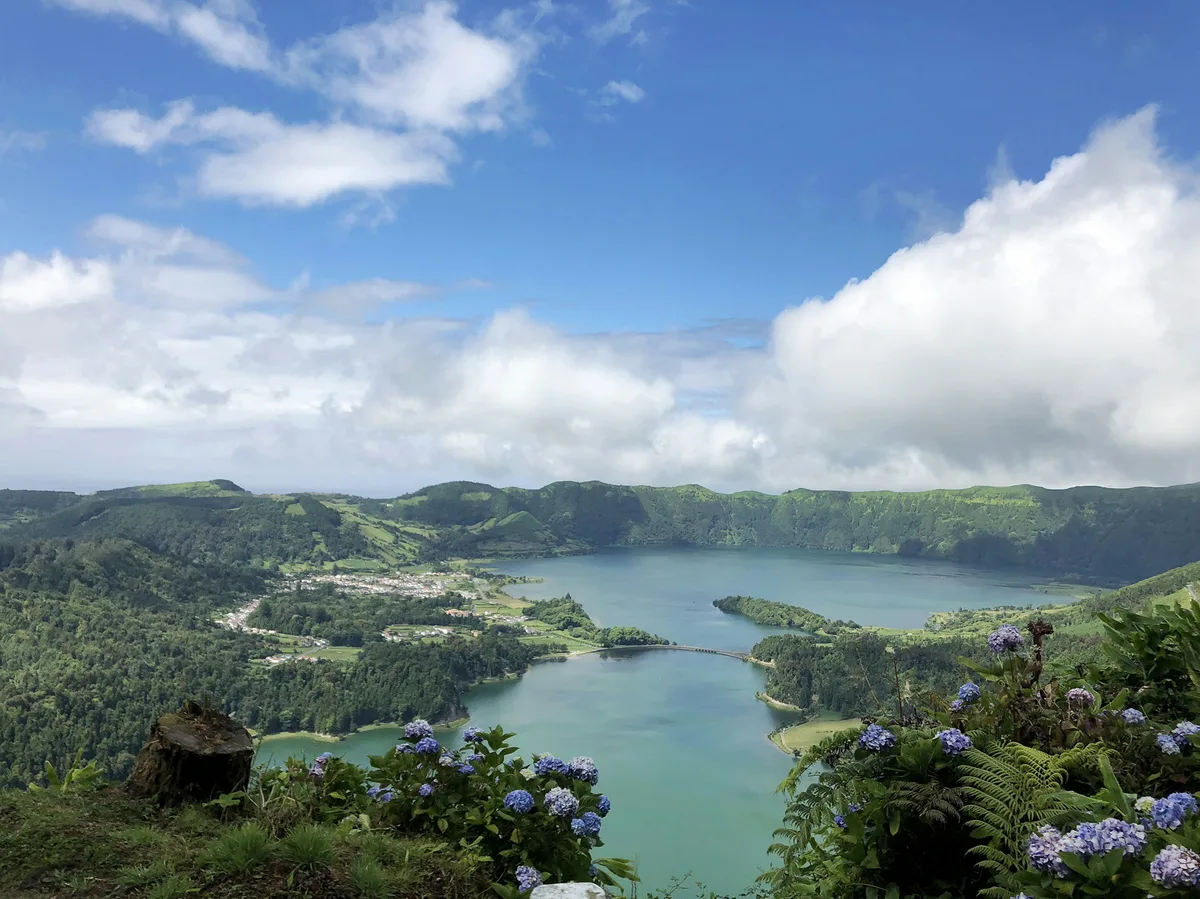 Sete Cidades Crater Lakes
Azores
Twin volcanic crater lakes — one blue, one green — cradled inside a massive caldera on the western tip of São Miguel, famously viewed from the Vista do Rei viewpoint.
2
Sete Cidades Crater Lakes
Azores
Twin volcanic crater lakes — one blue, one green — cradled inside a massive caldera on the western tip of São Miguel, famously viewed from the Vista do Rei viewpoint.
2
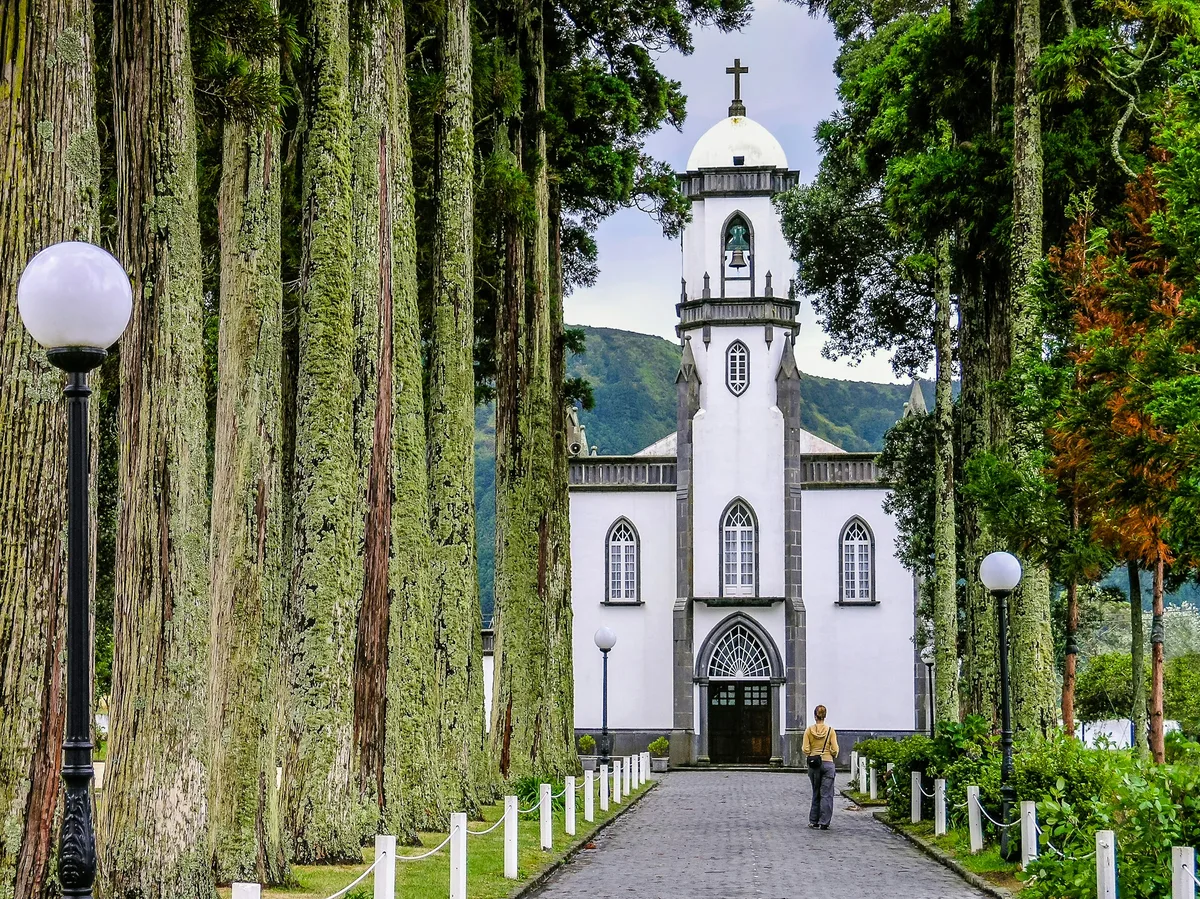 Furnas Volcanic Hot Springs & Caldeiras
Azores
A geothermal valley on São Miguel where bubbling caldeiras slow-cook the traditional Cozido stew underground, surrounded by the botanical gardens of Terra Nostra Park and its thermal-water pool.
3
Furnas Volcanic Hot Springs & Caldeiras
Azores
A geothermal valley on São Miguel where bubbling caldeiras slow-cook the traditional Cozido stew underground, surrounded by the botanical gardens of Terra Nostra Park and its thermal-water pool.
3
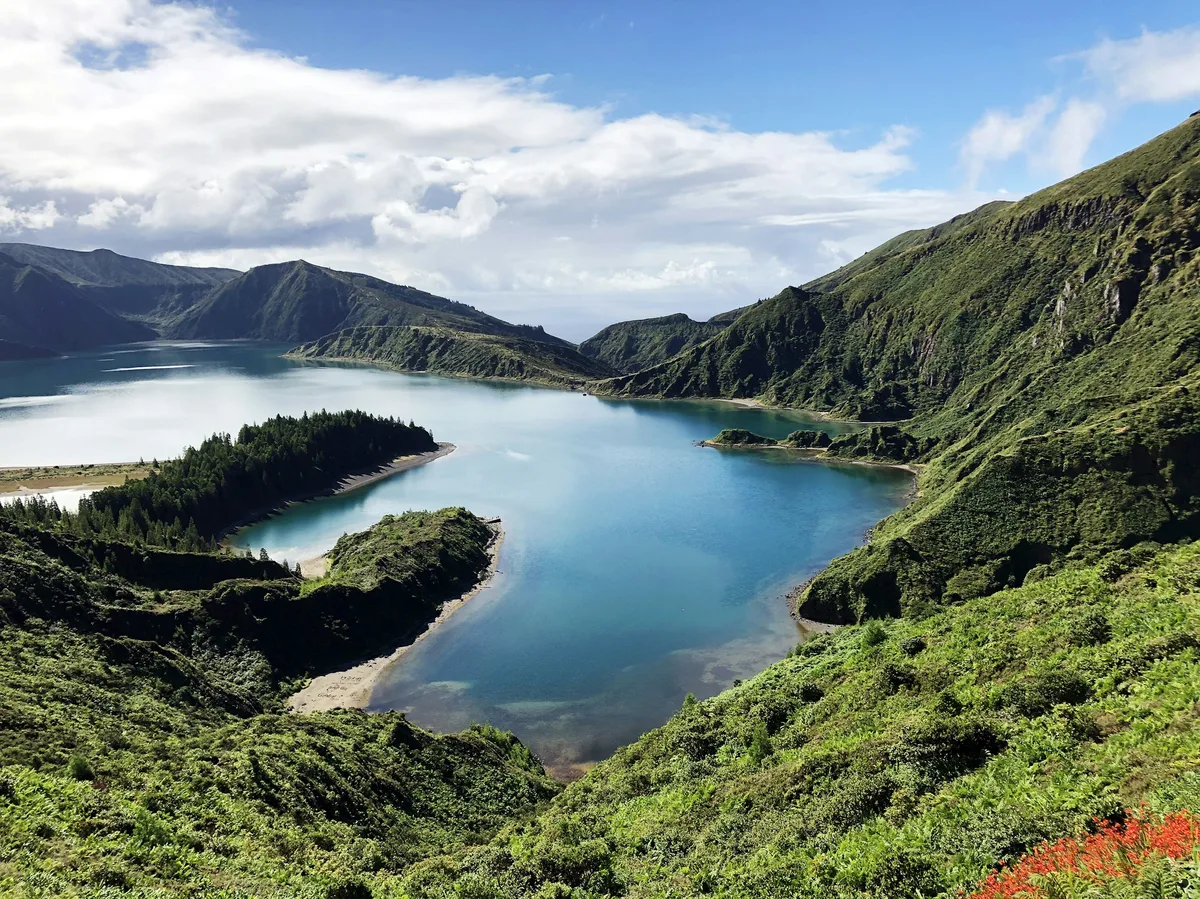 Lagoa do Fogo
Azores
A pristine crater lake sitting inside a protected nature reserve at the heart of São Miguel, reachable only on foot or by jeep along winding mountain roads.
4
Lagoa do Fogo
Azores
A pristine crater lake sitting inside a protected nature reserve at the heart of São Miguel, reachable only on foot or by jeep along winding mountain roads.
4
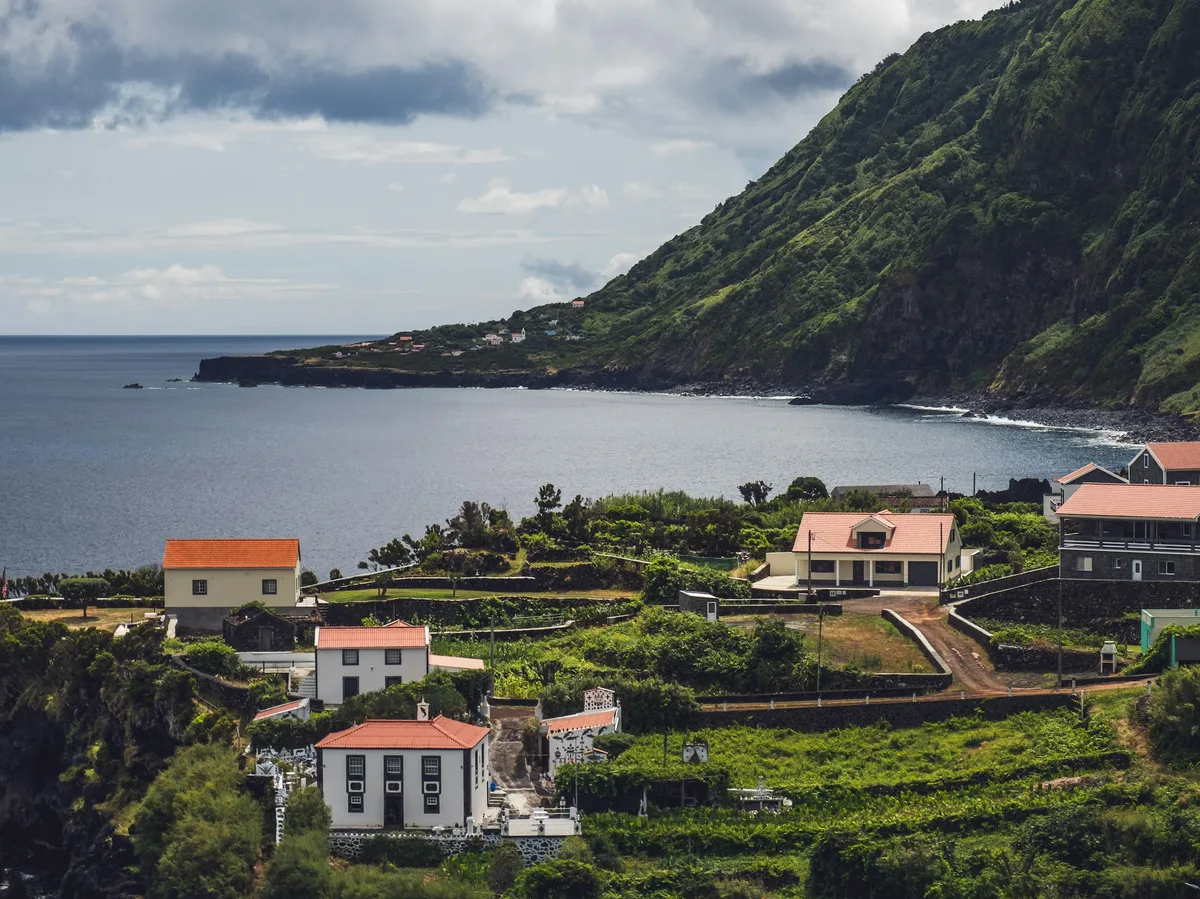 Ponta Delgada Historic Center
Azores
The Azores' capital, marked by black-and-white cobbled streets, the 18th-century Portas da Cidade gate, and a lively harbor market — the arrival and departure point for most Azores itineraries.
5
Ponta Delgada Historic Center
Azores
The Azores' capital, marked by black-and-white cobbled streets, the 18th-century Portas da Cidade gate, and a lively harbor market — the arrival and departure point for most Azores itineraries.
5
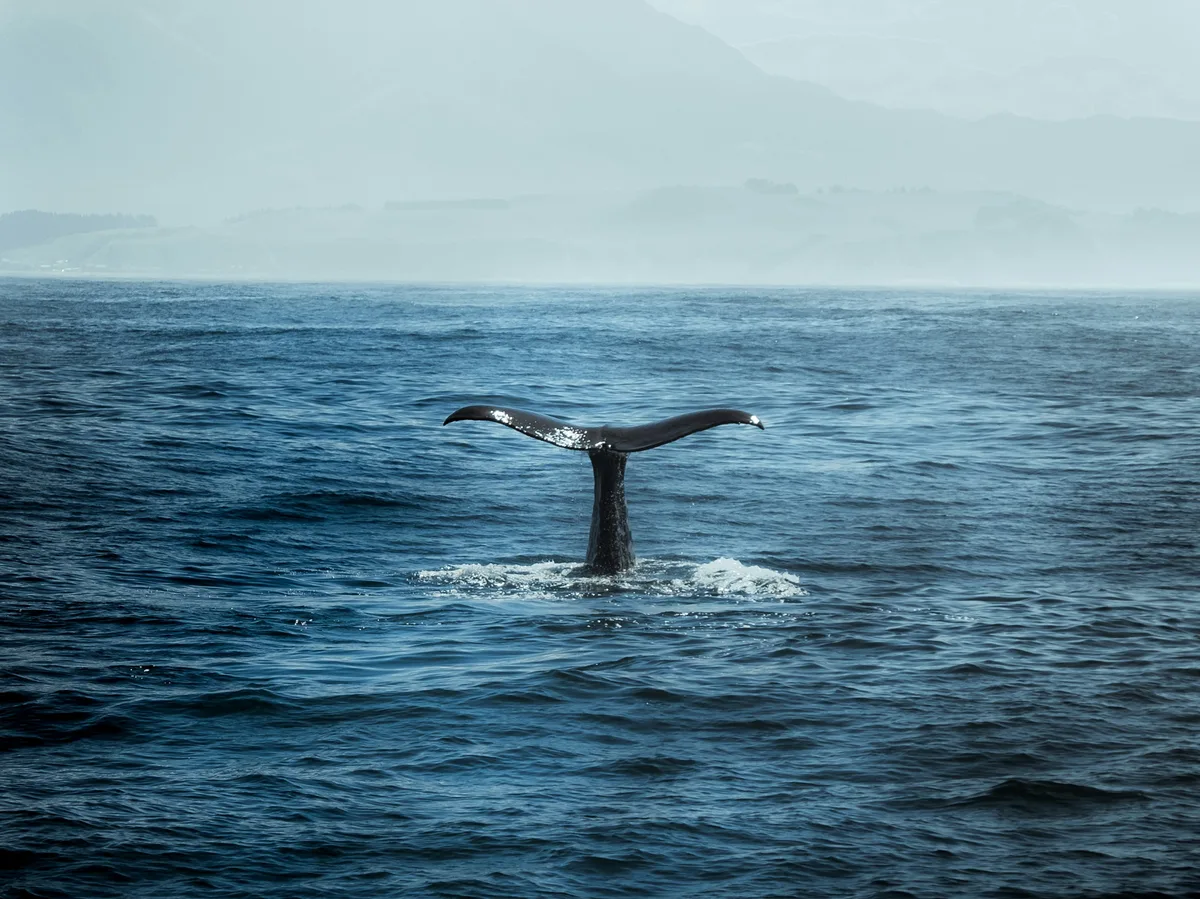 Whale & Dolphin Watching off São Miguel
Azores
The Azores sit on a mid-Atlantic migration route where sperm whales, several dolphin species and, seasonally, blue whales are regularly spotted on guided boat trips from São Miguel and Pico.
6
Whale & Dolphin Watching off São Miguel
Azores
The Azores sit on a mid-Atlantic migration route where sperm whales, several dolphin species and, seasonally, blue whales are regularly spotted on guided boat trips from São Miguel and Pico.
6
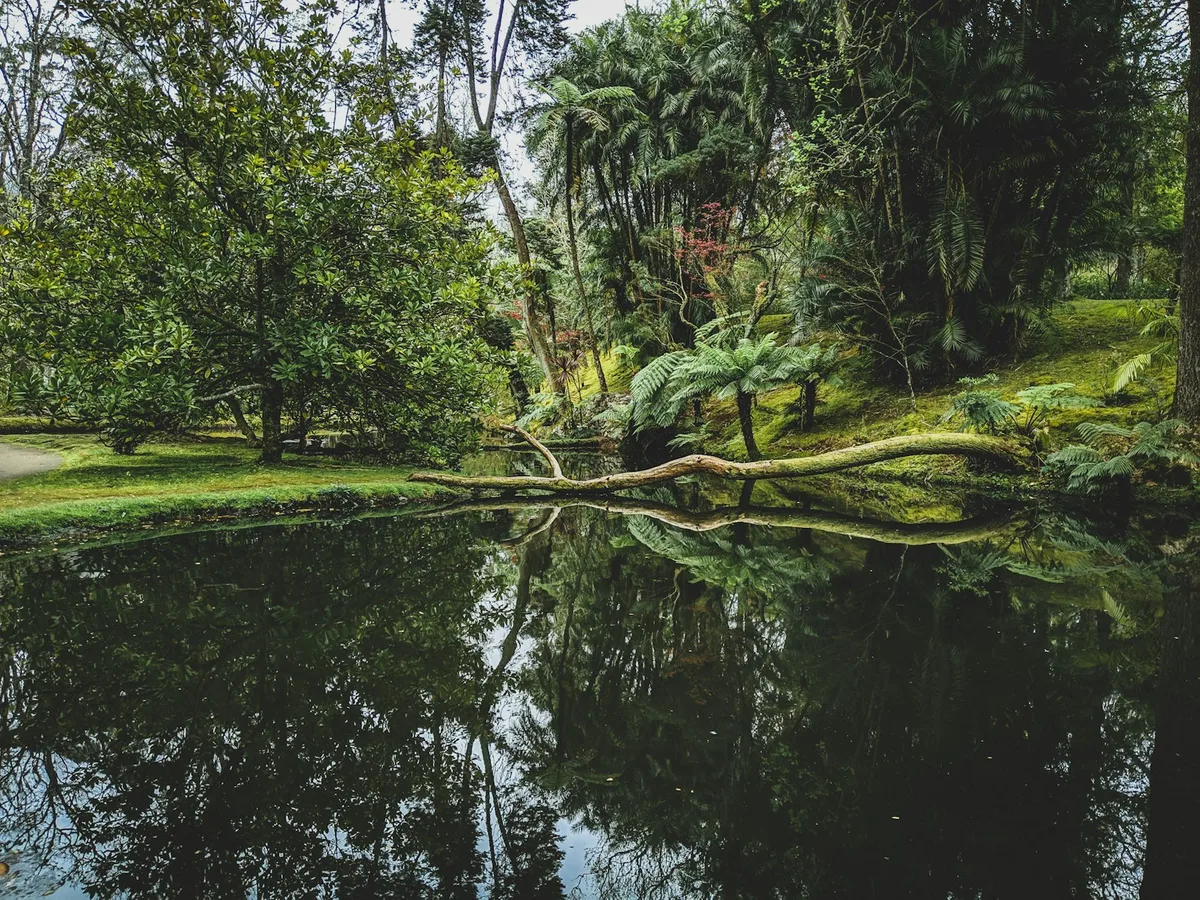 Terra Nostra Park, Furnas
Azores
A 19th-century botanical garden in the volcanic town of Furnas on São Miguel, centred on a large public pool fed by warm, iron-rich thermal water.
7
Terra Nostra Park, Furnas
Azores
A 19th-century botanical garden in the volcanic town of Furnas on São Miguel, centred on a large public pool fed by warm, iron-rich thermal water.
7
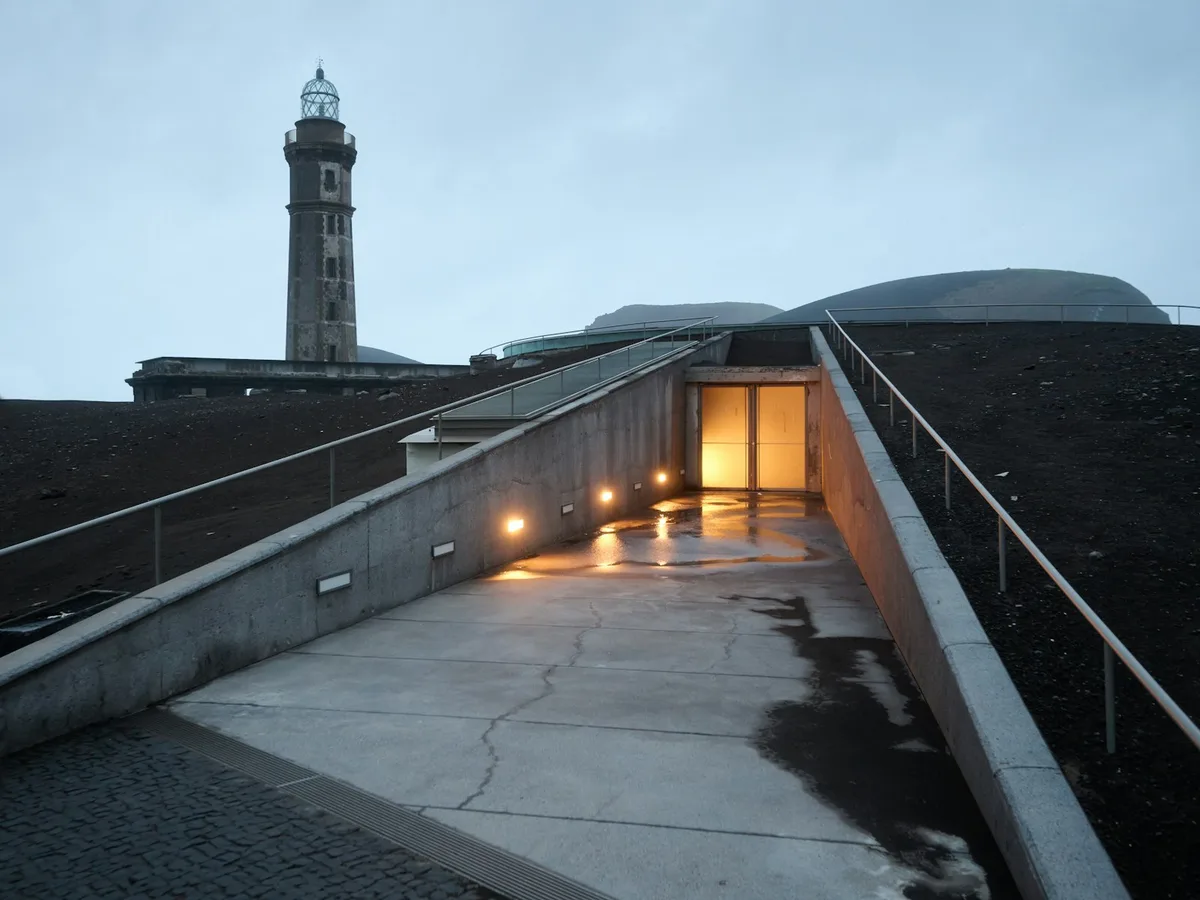 Capelinhos Volcano, Faial
Azores
The site of a 1957-58 eruption on Faial Island that buried a lighthouse in ash and reshaped the island's coastline, now an interpretation centre built into the volcanic rock itself.
8
Capelinhos Volcano, Faial
Azores
The site of a 1957-58 eruption on Faial Island that buried a lighthouse in ash and reshaped the island's coastline, now an interpretation centre built into the volcanic rock itself.
8
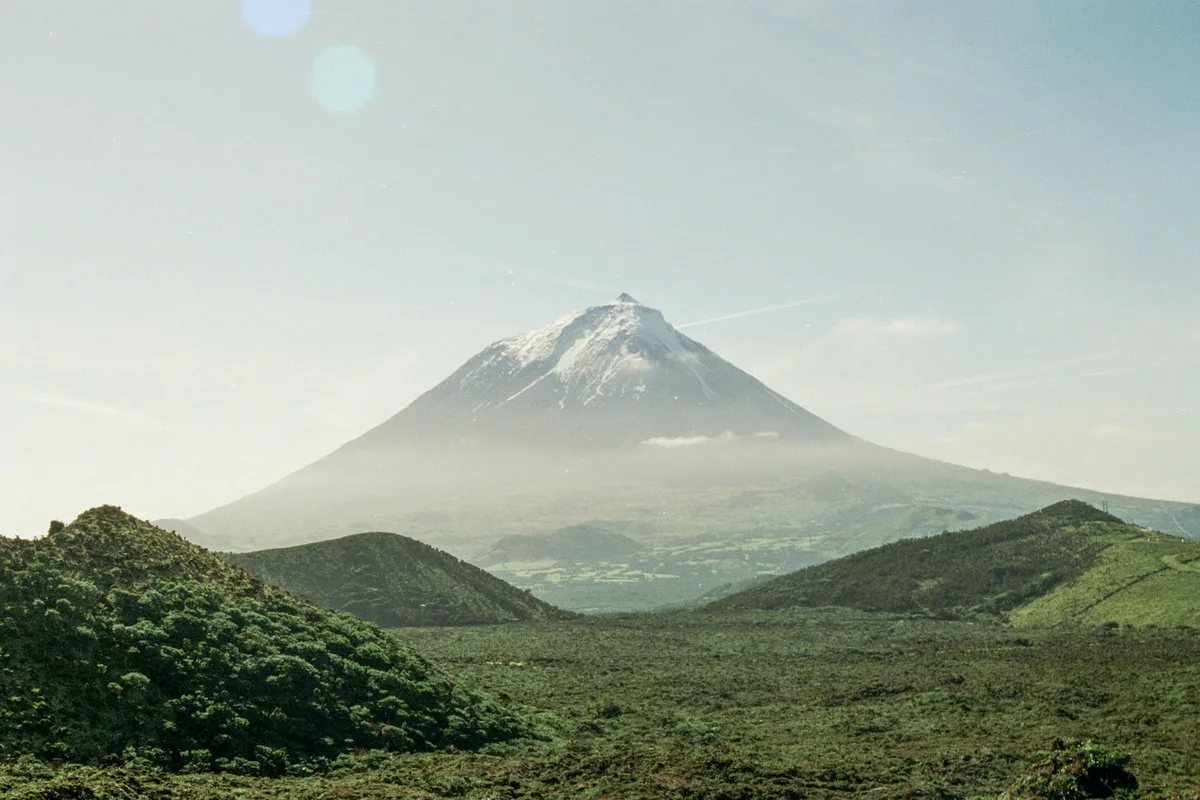 Mount Pico, Pico Island
Azores
Portugal's highest mountain at 2,351 metres, a dormant volcanic cone that rises directly from the Atlantic and can be climbed on a guided day hike.
Mount Pico, Pico Island
Azores
Portugal's highest mountain at 2,351 metres, a dormant volcanic cone that rises directly from the Atlantic and can be climbed on a guided day hike.
June through September has the warmest, driest weather for hiking and exploring São Miguel's crater lakes and coastline; the Azores' Atlantic location means weather can shift quickly year-round, so a flexible itinerary helps regardless of season.
São Miguel's main sights — Sete Cidades, Furnas and Lagoa do Fogo — are spread across winding mountain roads with limited public transit between them, making a private vehicle the practical way to see more than Ponta Delgada itself.
Temperatures stay mild year-round (roughly 14-25°C / 57-77°F), but rain and cloud cover can arrive with little warning even in summer — a light waterproof layer is worth packing regardless of when you visit.
The Azores use the euro, as part of Portugal. Tipping around 5-10% at restaurants is appreciated but not obligatory, and cash is still useful in smaller towns outside Ponta Delgada.
The islands are volcanic and geologically active in places — Furnas' thermal springs and fumaroles, and Faial's Capelinhos volcano site, are safe to visit via marked paths but shouldn't be approached off-trail.
Beyond São Miguel, islands like Faial and Pico require a short domestic flight or ferry connection — worth building extra time into an itinerary if your trip includes more than one island.
Tell us your group size and dates — we'll take care of the rest.